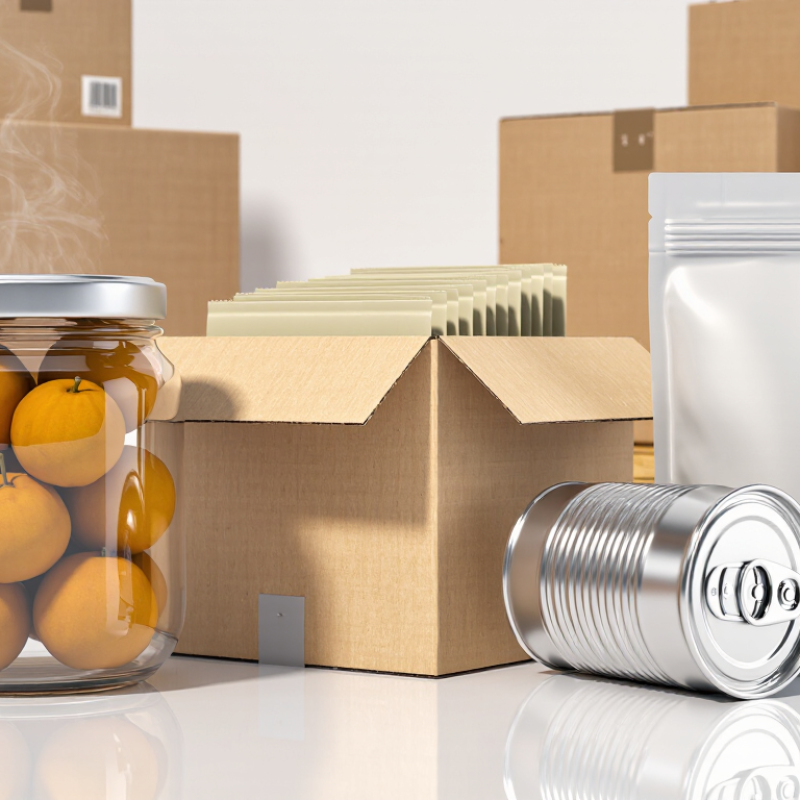
What Is Your Packaging Type and Material? The answer begins with how a product moves, waits, and reaches real hands. A glass jar may protect delicate food, but it adds weight during transport. A flexible pouch can save space, yet its seal needs careful testing. Your packaging is not merely a container. It is part of the product experience, supply chain, and environmental footprint.
Choosing a packaging type requires practical observation. Check the product’s weight, moisture, temperature, and expected shelf life. Watch how boxes stack on a pallet. Feel whether a closure opens smoothly without leaking. These details often reveal weaknesses that a design screen cannot show. Material selection also matters. Paperboard offers printability and structure, while aluminum provides strong barrier protection. Plastic may deliver durability and low weight, but its format and recycling pathway need honest evaluation.
There is no perfect material.
Reliable decisions combine supplier specifications, product testing, and user feedback. Packaging professionals may compare barrier performance, drop resistance, seal strength, and compatibility with filling equipment. Local recycling systems also deserve attention, because a technically recyclable package may not be accepted nearby. Some assumptions will prove wrong. That is useful. A weak first prototype can expose excess material, unclear labeling, or an awkward opening. This guide examines common packaging types and materials, helping readers connect technical performance with cost, usability, brand presentation, and responsible design. The goal is not to follow a trend blindly. It is to choose a solution that protects the product and performs credibly in everyday conditions.
The right packaging type begins with function, not appearance. Primary packaging touches the product directly. Bottles, pouches, trays, and jars belong here. Secondary packaging groups units and carries information. Cartons and paper sleeves often serve this role. Tertiary packaging supports storage and transport. Pallets, stretch film, and protective cases reduce handling damage. Each form solves a different physical problem.
Material choice follows those duties. Glass offers strong barrier protection, but it adds weight and breakage risk. Flexible films save space, yet their layered structures can complicate recycling. Corrugated board absorbs impact and prints clearly. However, moisture can weaken it quickly.
According to OECD’s Global Plastics Outlook (2022), packaging creates about 40% of global plastic waste. That figure makes material selection more than a design decision. It becomes an operational responsibility.
A practical assessment should test sealing, stacking, temperature, moisture, and opening behavior. I have seen attractive packs fail because their corners collapsed during warehouse handling. The opposite also happens. Overbuilt packaging protects the product but wastes material and shipping space.
UNEP’s Turning off the Tap (2023) estimates that global plastic pollution could fall by 80% by 2040 through system-wide changes. Reuse, lightweighting, and better recovery systems matter. Local infrastructure still decides what happens after disposal. A technically recyclable pack may not be recyclable nearby. That uncomfortable gap deserves attention.
What Is Your Packaging Type and Material?
Common Packaging Materials and Their Properties
Material choice changes protection, cost, transport weight, and recovery options. The OECD Global Plastics Outlook (2022) reports that packaging generated 40% of global plastic waste in 2019. That figure deserves attention, but material selection is not simple.
Paper and board are light, printable, and made from renewable fibers. They suit boxes, sleeves, and dry products. Moisture remains a weakness. Coatings can improve resistance, but they may complicate recycling. Glass offers excellent chemical stability and a strong barrier against oxygen. It is widely recyclable, yet heavy and breakable during transport. Metal provides high strength, heat resistance, and reliable protection. Primary production requires substantial energy, while recycled content can reduce its footprint. Plastics are lightweight, flexible, and easy to seal. They also support many barrier designs. However, multilayer packs are often difficult to sort and recycle. No material wins every test.
Tips: Check the full package system, not only the material label. Review product shelf life, filling conditions, transport distance, and local collection rules. The Ellen MacArthur Foundation stresses design for a circular economy, but real recovery still depends on infrastructure. I still question “recyclable” claims when a package needs specialist facilities. Measure actual outcomes. Small design changes can matter.
Common packaging materials differ in density, strength, weight, and recyclability. The chart compares representative material densities, which influence packaging weight, transport efficiency, and structural performance.
Density values are typical representative values in grams per cubic centimetre (g/cm³). Actual values vary by grade, additives, coatings, and manufacturing process.
Packaging decisions rarely succeed when type and material are chosen separately. A rigid jar needs a material that resists impact, moisture, and product interaction. A flexible pouch needs reliable seals and enough strength for filling, transport, and storage. In practical testing, I inspect the package after vibration, temperature changes, and repeated opening. Small wrinkles can reveal stress. A neat shelf appearance proves very little.
Paper-based cartons feel light and offer strong printing surfaces, but they need protection from humidity. Glass provides an effective barrier and a solid feel, yet its weight and breakage risk affect handling. Plastic containers can be shaped efficiently, although their materials must match heat, oxygen, and chemical exposure. Metal cans provide stiffness and shielding, but coatings and forming processes need careful review. The same product may require different packaging in a dry warehouse and a damp delivery route. Context changes the answer.
Good packaging work uses measurable checks. Test seal strength, drop resistance, closure fit, and material compatibility. Confirm dimensions with real filling equipment, not only a computer model. Ask whether users can open, carry, and store the package safely. Recyclability also depends on labels, layers, closures, and local recovery systems. I have seen attractive concepts fail because a thin corner collapsed during stacking. That mistake is useful, but expensive.
Packaging type sets the form; material determines how reliably that form performs.
Selecting packaging starts with the product, not the appearance. A fragile item may need a rigid inner container and a shock-absorbing outer box. Moisture-sensitive contents require reliable barrier protection. Heavy products need stronger walls, closures, and pallet support. The best combination protects the product without creating unnecessary material use.
I usually examine four practical factors: product sensitivity, transport conditions, customer handling, and disposal options. A glass container may preserve quality well, but it can increase breakage risk during delivery. Corrugated fiberboard can provide useful protection, yet poor storage may weaken it. Material specifications should be checked against temperature, humidity, stacking pressure, and expected shelf life. Drop tests and vibration tests reveal weaknesses that drawings often hide.
Real conditions can be disappointing. A package that survived a controlled drop still failed after repeated warehouse movement. That result changed the design review. Seals, corners, labels, and closure strength deserve the same attention as the main container. Packaging suppliers should provide traceable specifications and test records. Independent testing adds confidence, especially when product safety or freshness matters. Recyclability also depends on local collection systems, not only material names. A simpler combination may perform better, cost less, and create fewer disposal problems. But reducing material too quickly can undermine protection. Evaluate the full journey before approving the final package.
What Is Your Packaging Type and Material?
Packaging Performance, Safety, and Sustainability Criteria
Packaging type should match the product, supply chain, and user experience. A rigid container may protect fragile goods, while flexible packaging can reduce weight and storage space. It must fit. During practical testing, inspect compression strength, drop resistance, seal quality, and moisture protection. Small failures matter. A weak corner can damage several units during transport.
Safety requires more than clean appearance. Select materials that suit the product’s temperature, acidity, oil content, and storage period. Check for unwanted chemical migration through qualified testing. Food, cosmetic, and medical applications need controlled specifications and documented traceability. Clear labels also support correct handling, recycling, and emergency information. Reliable suppliers should provide material declarations and consistent batch records.
Sustainability needs measurable criteria, not attractive claims. Compare material weight, recycled content, production energy, transport efficiency, and realistic recovery options. A recyclable structure may still fail when local collection systems cannot process it. This is often overlooked. Use life cycle data when available, but question uncertain assumptions. I have seen lightweight designs create more damage because they lacked enough protection. That trade-off deserves another test. A better decision balances performance, safety, resource use, and the packaging’s actual end-of-life route.
| Packaging Type | Primary Material | Typical Applications | Barrier and Product Protection | Mechanical Performance | Food and Product Safety Considerations | Recyclability at End of Life | Resource and Sustainability Profile | Key Limitations | Overall Suitability |
|---|---|---|---|---|---|---|---|---|---|
| Corrugated Fiberboard Box | Paper-based linerboard and fluted fiberboard | Shipping cartons, e-commerce boxes, household goods, dry products | Good protection against compression and impact; limited resistance to moisture, grease, and gases unless coated or combined with another material | High stacking strength when dry; lightweight and easy to handle | Generally suitable for secondary packaging; direct food contact requires appropriate food-contact grades and controls | Widely recyclable where clean paper and board collection is available; remove non-paper components when required | Made from renewable fiber; recycled content is common; production and transport impacts depend on fiber source, basis weight, and recycled content | Performance decreases when wet; excessive coatings, laminations, or contamination can reduce recyclability | ★★★★☆ Strong general-purpose option |
| Paperboard Carton | Folding boxboard or solid bleached/unbleached paperboard | Cereals, personal care products, pharmaceuticals, small consumer goods | Good printability and light protection; limited moisture and oxygen barrier unless specially coated or laminated | Good stiffness-to-weight ratio; suitable for retail presentation | Use certified materials and inks or coatings suitable for the intended contact level; protect contents from migration risks | Generally recyclable if fiber-based and free from difficult-to-separate plastic or foil layers | Renewable fiber source and efficient flat-pack distribution; coatings and low-fiber constructions may affect end-of-life performance | Not suitable alone for high-moisture, high-fat, or highly oxygen-sensitive products | ★★★★☆ Efficient retail format |
| Glass Bottle or Jar | Silica-based glass with mineral additives | Beverages, sauces, cosmetics, laboratory and specialty foods | Excellent barrier to oxygen, moisture, aromas, and gases; transparent or colored formats available | Rigid and dimensionally stable but heavy and vulnerable to breakage | Chemically inert for many applications; closure, liner, and decoration materials must also be assessed | Highly recyclable in established collection systems; color separation and contamination can affect recovery | Can contain recycled glass; durable for reuse where collection, washing, and reverse logistics are practical; high-temperature production is energy intensive | High transport weight, breakage risk, and energy demand during manufacturing and remelting | ★★★★☆ Excellent barrier performance |
| Aluminum Can | Aluminum alloy body with protective internal coating | Carbonated drinks, shelf-stable foods, aerosols, personal care products | Excellent barrier to light, oxygen, moisture, and gases; provides strong product protection | Lightweight, rigid, and resistant to breakage; can deform under severe impact | Internal coatings help prevent product-metal interaction; coatings and forming lubricants must meet applicable safety requirements | Highly recyclable where metal collection and sorting systems exist; recycling does not remove the need for proper collection | Recycling aluminum generally requires much less energy than producing primary aluminum; primary production has significant energy and mining impacts | Requires energy-intensive primary production; mixed-material closures, labels, and coatings may complicate processing | ★★★★★ High protection and recovery value |
| Steel Tinplate Can | Steel coated with tin or a protective polymer layer | Canned foods, pet food, paints, household and industrial products | Excellent barrier to light, oxygen, moisture, and physical contamination | High strength, puncture resistance, and stacking performance | Internal coatings and seams must be compatible with the product; corrosion control is important for wet or acidic contents | Widely recyclable through magnetic separation where steel recycling is available | Steel recycling is well established in many markets; manufacturing is energy and resource intensive, while recycled content can reduce impacts | Heavier than flexible packaging; corrosion and coating compatibility require careful design | ★★★★★ Durable long-life protection |
| PET Bottle or Tray | Polyethylene terephthalate | Beverages, food trays, personal care, household products | Good clarity and moisture barrier; moderate oxygen and carbon dioxide barrier, often improved with structure or additives | Lightweight, impact resistant, and suitable for high-speed forming | Food-contact grades require controlled additives, manufacturing hygiene, and compliance with applicable migration limits | Commonly recyclable in established PET collection systems; dark colors, multilayer designs, and attached components can reduce recovery | Low package weight and established recycling streams are advantages; fossil feedstock and heat sensitivity remain considerations | Limited resistance to high temperatures; oxygen-sensitive products may require additional barrier protection | ★★★★☆ Lightweight mainstream option |
| HDPE Bottle or Container | High-density polyethylene | Milk containers, detergents, toiletries, chemicals, household products | Very good moisture and chemical resistance; moderate oxygen barrier and limited aroma barrier | Tough, impact resistant, and suitable for rigid containers and closures | Use the correct grade for food, cosmetic, pharmaceutical, or chemical contact; additives and colorants require evaluation | Widely recyclable in many rigid-plastic systems; labels, caps, pigments, and closures can influence sorting and yield | Lightweight and durable; commonly available in recycled-content formats, but production relies primarily on fossil or bio-based feedstocks | Not an effective barrier for many oxygen-sensitive products without a multilayer or additional barrier design | ★★★★☆ Durable moisture barrier |
| PP Container or Pouch | Polypropylene | Yogurt cups, food tubs, microwaveable containers, caps, flexible pouches | Good moisture and chemical resistance; moderate gas barrier; heat resistance is generally better than that of polyethylene | Lightweight with good fatigue and hinge performance; rigid and flexible formats are possible | Product-specific additives, colorants, and heat exposure must be evaluated for migration and intended use | Rigid PP recycling is expanding but remains less consistently available than paper, glass, or metal in many locations; multilayer pouches are difficult to recycle | Low package weight and good material efficiency; end-of-life outcomes depend strongly on local collection and package design | Flexible multilayer structures may require specialized recycling; limited barrier against oxygen and aromas | ★★★☆☆ Application-dependent choice |
| Flexible Plastic Film or Pouch | Single-layer or multilayer polyethylene, polypropylene, polyester, or combinations | Snacks, frozen foods, pet food, refill packs, powders, and household products | Can provide excellent moisture, oxygen, aroma, and light barriers when appropriately structured | Very lightweight and efficient by mass; susceptible to puncture, tearing, and seal failure if poorly designed | Seal integrity, printing inks, adhesives, and food-contact layers must be assessed; package cleanliness is important | Recyclability varies widely; multilayer films and small formats are often not accepted in household collection systems | Uses little material and can reduce transport weight; complex structures may create significant end-of-life challenges | Sorting and recycling access are limited in many regions; difficult to reuse when contaminated or damaged | ★★★☆☆ Lightweight but infrastructure-sensitive |
| Aseptic or Beverage Carton | Paperboard combined with thin polymer layers and, in some formats, aluminum | Long-life milk, juice, liquid foods, and other shelf-stable beverages | Strong protection from light, oxygen, and moisture when correctly sealed; supports extended shelf life | Lightweight, stackable, and efficient for transport; shape stability depends on the board structure | All layers, inks, adhesives, and closures must be suitable for the intended food-contact application | Recycling is possible in specialized facilities; collection and separation infrastructure is not universal | Low transport weight and efficient cube utilization; composite construction complicates material recovery | Not easily recycled in areas without dedicated processing; difficult to separate all component layers | ★★★☆☆ Strong shelf-life performance |
| Molded Fiber Tray or Pulp Package | Formed recycled or virgin cellulose fiber | Eggs, produce, protective inserts, food service, and electronics cushioning | Good cushioning and moderate moisture performance; limited oxygen and grease barrier unless treated | Good shock absorption and shapeability; strength decreases when exposed to water | Direct food-contact use requires suitable fiber, additives, and manufacturing controls; coatings must be evaluated | Often recyclable with paper streams when clean and free of incompatible coatings; local rules apply | Fiber-based and potentially made with recycled content; molded production uses water and energy, and barrier treatments affect impacts | Moisture, grease, and dimensional stability can limit use without coatings or liners | ★★★★☆ Protective fiber-based option |
| Reusable Rigid Container | Glass, stainless steel, durable plastic, or a combination | Refill systems, food service, transport packaging, and closed-loop distribution | Depends on material and closure; can provide strong protection over multiple use cycles | Designed for repeated handling and washing; durability is essential | Requires validated cleaning, inspection, traceability, and material compatibility procedures | End-of-life recyclability depends on the material; reuse usually precedes recycling in the intended system | Can reduce single-use packaging impacts when return rates, reuse cycles, washing efficiency, and transport distances are favorable | Higher initial material use, reverse logistics, cleaning energy, and loss risk; benefits are system-dependent | ★★★★☆ Best for effective return systems |