How to Choose the Right Packaging Supplies for Your Business Needs?
Choosing the right packaging supplies for your business is crucial. It can impact costs, product safety, and customer satisfaction. Whether you are shipping fragile items or bulk goods, the right packaging can make a significant difference.
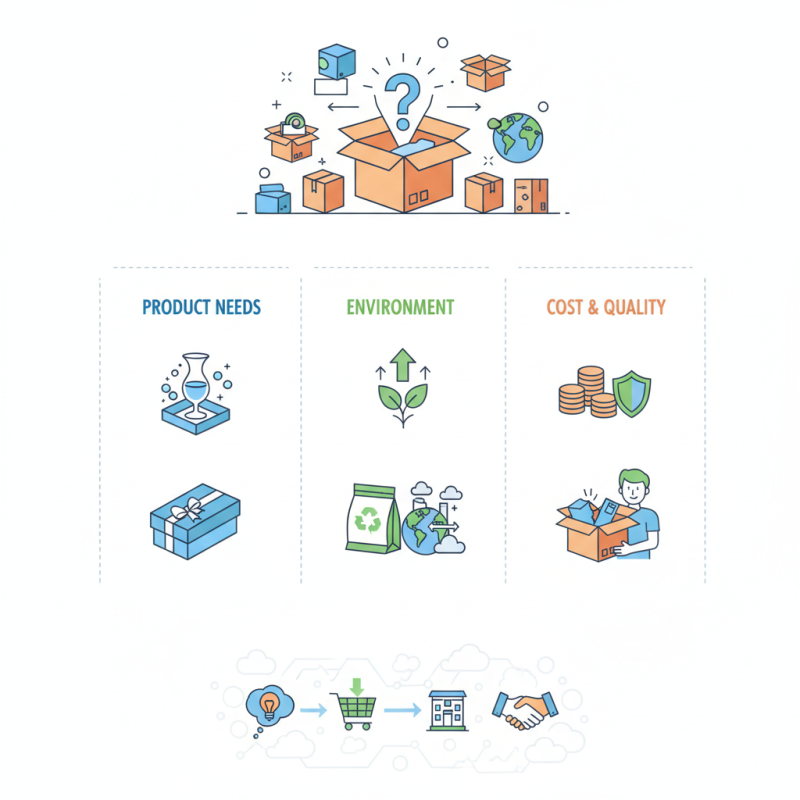
Consider your products’ unique needs. Some items require protective materials, while others need aesthetic appeal. Think about the environment, too. Sustainable packaging solutions are gaining traction. They can enhance your brand’s image and attract eco-conscious consumers.
Don't overlook the importance of cost. Sometimes, high-quality packaging supplies may seem expensive at first. However, investing in durable materials can save money in the long run. Poor packaging can lead to damage and returns, affecting customer trust. Reflect on your choices and their implications. Prioritize quality and reliability for lasting success.
Understanding Your Business Requirements for Packaging Supplies
When selecting packaging supplies, understanding your business requirements is crucial. Each product has specific needs, from dimension to durability. For instance, fragile items require bubble wrap or cushioning. Heavier products need sturdy boxes. Evaluate the weight and fragility of your products first. Also, consider the environmental impact of your packaging choices. Sustainable options are becoming more preferred by consumers.
Customizing packaging is another aspect to explore. Personalized packaging can enhance the unboxing experience for customers. It can also help your brand stand out. Consider the aesthetics, colors, and materials that will best represent your brand image. Yet, balancing cost and aesthetics can be a challenge. Sometimes, a cheaper option may compromise your brand's integrity.
Furthermore, shipping and storage logistics play a significant role. Understand how your packaging will perform during transit. Choosing the right size is essential to minimize shipping costs. Packaging that is too large can waste space. Smaller packages may not protect your items adequately. Reflection on these factors will guide you in making informed decisions.
Identifying Different Types of Packaging Materials Available
Choosing the right packaging supplies is crucial for business success. Different types of packaging materials serve various purposes. Understanding these materials can elevate your brand and protect your products.
Cardboard, for instance, is widely used for shipping. It is lightweight and recyclable, making it an eco-friendly choice. According to the Paper and Packaging Board, around 95% of products in the U.S. are shipped in corrugated boxes. This is a strong indication of its reliability in the shipping industry. However, cardboard may not withstand moisture. That’s a critical factor for businesses dealing with perishable goods.
Plastic packaging continues to dominate the market as well. Research from Grand View Research shows that the plastic packaging market is projected to reach $1.2 trillion by 2025. Plastic offers durability and versatility. It’s perfect for food and beverages. On the other hand, environmental concerns are crucial. Plastic waste poses significant challenges. Many companies are now prioritizing sustainable materials to address these issues, reflecting a shift in consumer preferences.
A range of other materials exists, like glass and biodegradable options. Each type has its pros and cons. Examining how they align with specific needs is vital. Ultimately, picking the right packaging supplies can be a complex process, requiring careful consideration of materials and their impact.
Evaluating Cost-Effectiveness of Packaging Solutions
Choosing the right packaging supplies is crucial for any business. Cost-effectiveness plays a significant role in this decision. When evaluating options, consider both short-term and long-term costs. It’s easy to focus solely on initial prices, but ongoing expenses add up over time.
Bulk purchasing may seem economical, yet it can lead to waste. If items aren’t used within a set period, they may end up discarded. Assess your inventory needs carefully. Do you really need large quantities? Smaller quantities might save money in the long run by reducing waste.
Consider the durability of materials. Cheaper options might cost less upfront, but may require replacements sooner. Weighing the cost per use against the quality of packaging is vital. There could be a temptation to choose low-cost materials, but they may compromise your brand’s image. Quality packaging often reflects the quality of your products, impacting customer perception. Being mindful of these aspects can lead to better informed, more financially sound decisions.
Cost-Effectiveness of Different Packaging Supplies
Considering Environmental Impact and Sustainability
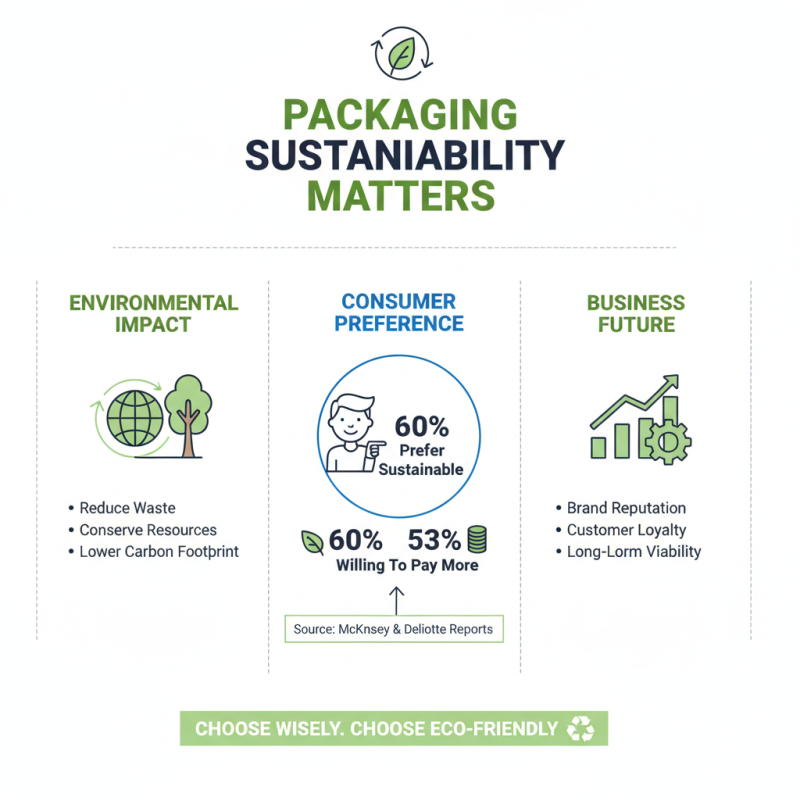
Choosing the right packaging supplies involves understanding their environmental impact. Sustainability is not just a trend; it's essential for future business viability. According to a report by McKinsey, 60% of consumers prefer sustainable packaging. This preference can influence purchasing decisions. Furthermore, a recent survey by Deloitte indicates that 53% of shoppers are willing to pay more for eco-friendly packaging options.
Evaluating materials is crucial in this process. Biodegradable, recyclable, and compostable options are becoming increasingly available. For instance, paper-based packaging typically generates fewer greenhouse gases compared to plastic. However, it may not always be the best choice for moisture-sensitive products. Understanding the specific needs of your product will help in this choice.
Tips: Always assess the carbon footprint of your packaging materials. Consider life cycle assessments to understand long-term impacts. Collaborate with suppliers who prioritize sustainable practices. By reflecting on these factors, businesses can align packaging choices with broader environmental goals, thus enhancing brand loyalty and customer satisfaction.
Ensuring Compliance with Industry Standards and Regulations
When selecting packaging supplies, compliance with industry standards is critical. Different sectors have specific regulations that dictate materials, design, and labeling. For example, food packaging must meet safety guidelines to prevent contamination. Failing to comply can lead to costly recalls or legal issues. It's essential to stay informed about these requirements to protect your business.
Tips: Regularly review industry publications for updates on regulations. Attend workshops that cover compliance standards. Engaging with professionals in the field can also provide insight.
Choosing the right packaging means considering environmental standards, too. Many consumers prefer eco-friendly packaging. However, meeting sustainability goals while adhering to regulations can be challenging. Companies may find it necessary to rethink their material choices and sourcing methods. Collaboration with suppliers can lead to innovative solutions that satisfy both compliance and sustainability.
Tips: Evaluate the certifications of your packaging materials. Explore options from suppliers who prioritize eco-friendly practices. Do not hesitate to ask for more information about their processes and compliance measures.