How to Choose Your Packaging for Global Shipping?
Choosing packaging for global shipping is not simply a matter of selecting a strong carton. Your packaging must protect the product across warehouses, airports, trucks, and changing climates. A box may face vibration, compression, rain, dust, and rough handling. Its performance matters more than its appearance.
Begin with the product’s weight, shape, fragility, and value. A ceramic item needs controlled cushioning, while electronics need moisture protection and static-safe materials. Measure the packed product carefully. Excess empty space increases movement, damage, and shipping costs. Too little space creates pressure points. Neither choice is ideal. Use tested cushioning, reinforced corners, and reliable sealing tape. For heavier shipments, consider pallet stability and edge protection.
Professional packaging decisions should include practical testing. Drop tests, compression checks, and vibration simulations can expose weak points before shipment. Where appropriate, review recognized transport-testing guidance, such as ISTA procedures, and confirm carrier requirements. Packaging should also support clear labels, scannable tracking, and accurate shipping information. These details reduce avoidable delays.
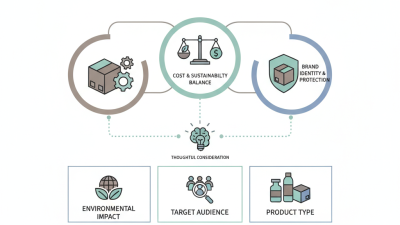
Sustainability deserves attention, but it should not weaken protection. Choose recyclable materials when they perform well and remain available in destination markets. A lighter package can reduce freight emissions, yet a damaged product creates greater waste. This balance is easy to underestimate. Even experienced teams should review results, customer feedback, and damage claims regularly. There is no perfect package. The best option is tested, documented, compliant with current shipping requirements, and improved through evidence.

Understanding Global Shipping Packaging Requirements
How to Choose Your Packaging for Global Shipping?
Understanding global shipping packaging requirements starts with the destination, not the product alone. Each country may apply different rules for materials, labeling, recycling, and import documentation. Check these requirements before ordering cartons in bulk. A package can pass a local delivery test and still face delays overseas.
Choose a strong outer carton with enough space for protective cushioning. Leave no large gaps around the product. Excess movement causes impact damage, especially during repeated handling. Moisture-resistant materials help when parcels travel through humid ports or cold storage areas. Heavy products need reinforced seams and stable weight distribution. Keep labels readable after rain, abrasion, and long transit periods. Simple packaging often performs better.
Test the complete package, not just the box. Use drop, vibration, compression, and temperature checks that reflect the planned route. Record the results, material specifications, package dimensions, and final weight. These details support customs reviews and help shipping teams select suitable services. From warehouse experience, small errors matter: a weak corner, loose tape, or unclear label can create costly delays. No design is perfect. Recheck it after product changes, seasonal weather shifts, or new destination markets. A packaging plan should remain practical, traceable, and open to revision.
Matching Packaging Materials to Product Type and Destination
How to Choose Your Packaging for Global Shipping?
Matching packaging materials to the product and destination prevents many avoidable shipping failures. Start with the product’s actual risks. Glass needs firm cushioning and space from every box wall. Electronics need shock protection and moisture control. Clothing usually needs a lightweight barrier against water and dust. Heavy metal parts require strong corrugated cartons with reinforced seams. A package should not be oversized. Empty space allows movement and increases damage.
The destination matters just as much. Sea routes may expose cartons to weeks of humidity. Dry climates can weaken some adhesives and make paper-based materials brittle. Cold routes may affect plastics, batteries, or temperature-sensitive goods. Use water-resistant outer packaging when moisture is likely. Add molded pulp, foam, or air cushioning according to the product’s shape and fragility. For long-distance transport, test compression, vibration, drops, and stacking pressure. Small tests reveal expensive weaknesses. Check local recycling expectations and import packaging requirements before production.
I once approved a carton that looked strong but failed at the corners. The problem was poor internal spacing, not weak board. That mistake changed our inspection process. We now examine packed samples from several angles and repeat testing after storage in humid conditions. Still, no test perfectly copies a real journey. Packaging choices should be reviewed when routes, seasons, or product designs change.
Checking Size, Weight, Labeling, and Customs Compliance
Choosing packaging for global shipping starts with accurate measurements. Measure the packed parcel, not the empty box. Record length, width, height, and actual weight. Carriers may charge by volumetric weight when a box contains too much air. A compact carton with corner protection often travels better than an oversized one. I have seen small measurement errors create unexpected shipping charges. Recheck the scale before sealing the package.
Labels must remain readable after handling, moisture, and long-distance transport. Place the recipient’s full address on a flat surface. Include a return address and a tracking label when required. For customs, prepare a truthful commercial invoice with the item description, quantity, value, currency, and country of origin. Use the correct HS code instead of guessing. Some destinations also require a tax identification number. Requirements can change, so verify them with the carrier and destination customs authority.
Tips: Use a double-wall box for fragile goods. Fill empty spaces without crushing the contents. Photograph the sealed parcel and paperwork. Check that barcodes scan clearly. Avoid vague descriptions such as “goods” or “samples.” Review the documents twice; even experienced shippers miss small details. That weakness deserves attention. Never declare a lower value to reduce fees, because inaccurate paperwork can delay delivery or trigger penalties.
Testing Packaging Performance Before International Shipment
Before an international shipment leaves the warehouse, packaging should survive more than a neat packing table. In my testing work, I treat the carton as a system: outer box, cushioning, seals, product, and labels. Small failures often begin at corners. A realistic test plan starts with the actual packed weight, dimensions, and shipping route. Record these details before opening the carton. Do not rely on a laboratory sample that differs from production packaging.
Use controlled drop tests on several faces, edges, and corners. Add vibration testing that reflects road, air, or sea transport. Compression testing helps reveal whether stacked cartons will crush the product. Temperature and humidity exposure can weaken paperboard, adhesives, and protective films. Check the package after every stage, not only at the end. Look for torn seams, shifted cushioning, broken seals, moisture marks, and hidden product damage. Photos, measurements, and test conditions make results traceable and easier to review.
My first trial was too gentle. The carton looked perfect, but a corner failed during a repeated drop. That mistake changed the protocol. Now I test the weakest likely configuration, while avoiding unrealistic abuse. I also ask someone uninvolved in packing to inspect the procedure. Fresh eyes catch assumptions. If damage appears, adjust one variable at a time: cushioning thickness, closure method, carton strength, or internal spacing. Retest with production-ready materials. A successful result is not just an intact box; it is consistent protection across multiple samples. Some uncertainty remains, especially when carriers handle parcels differently. Document it honestly, then decide whether the packaging has enough margin for the journey.