What Is Packaging and Which Type Is Best for Buyers?
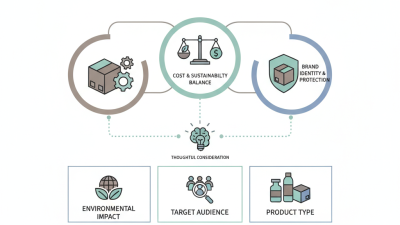
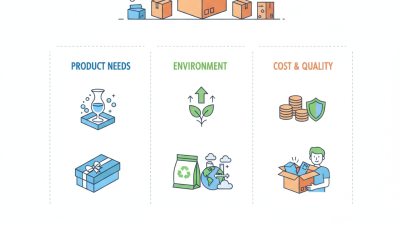
Packaging is more than a container. It protects products, communicates quality, and shapes the buyer’s first impression. A crushed carton, loose cap, or difficult seal can quickly reduce trust. The best packaging depends on the product, delivery route, customer expectations, budget, and environmental goals. There is no universal winner.
Common choices include corrugated boxes, paperboard cartons, flexible pouches, rigid plastic containers, glass jars, metal cans, and reusable formats. Corrugated boxes suit shipping and stacking. Glass offers a premium feel and strong product visibility, but it adds weight and breakage risk. Flexible packaging uses less material and space, although recycling options may be limited in some regions. Buyers should check local collection systems instead of trusting vague sustainability claims.
Steve Jobs, a widely recognized product-packaging innovator, once said, “Packaging can be theater, it can create a story.” That idea still matters for you packaging decisions, but appearance cannot replace performance. A beautiful box that fails in a humid warehouse is not a smart solution. Product weight, moisture, temperature, tamper evidence, printing quality, and disposal instructions all deserve practical testing. In real purchasing work, small details matter: a readable label, a secure closure, and packaging that opens without scissors.
The answer may feel less perfect than expected. Sometimes the cheapest format creates more damage and returns. Sometimes a recyclable material needs more protective layers. Buyers should compare total cost, protection, usability, and end-of-life conditions before choosing. A reliable packaging decision balances brand experience with measurable product safety.

What Is Packaging? Core Functions and Industry Scope
Packaging is the system that contains, protects, identifies, and moves a product. It protects first. A glass jar needs cushioning, while fresh food needs barriers against moisture, oxygen, and contamination. Electronics may require static control and shock resistance. Good packaging matches the product’s actual risks, not just its appearance.
Its core functions include containment, protection, handling, communication, and controlled access. Labels can show ingredients, storage conditions, batch details, and disposal guidance. Packaging also supports warehouse stacking, transport efficiency, and retail presentation. The industry reaches far beyond consumer goods. It includes food, medical supplies, cosmetics, electronics, machinery parts, agriculture, and online delivery. Primary packaging touches the product. Secondary packaging groups units. Tertiary packaging supports bulk transport.
From practical packaging assessments, the best option for buyers is rarely the cheapest one. A thinner material may reduce cost but fail during humid storage. A rigid box may protect better but increase shipping weight. Buyers should compare barrier performance, seal strength, product fit, handling safety, recyclability, and total lifecycle cost. Test samples under realistic pressure, vibration, temperature, and moisture.
No package is perfect. Trade-offs remain. I have seen attractive designs create unnecessary waste, while plain formats perform reliably. Some testing also misses real warehouse conditions, which is a weakness worth acknowledging. Clear specifications and documented quality checks make decisions more dependable. The right choice protects the product without creating avoidable cost or complexity.
Which Materials Are Used? Paper, Plastic, Glass, Metal, and Composites
What Is Packaging and Which Type Is Best for Buyers?
Packaging protects food, medicine, electronics, and household goods during storage and transport. Its material also affects price, weight, shelf life, and disposal. Paper is light and widely recyclable. The Confederation of European Paper Industries reported an 80.5% paper recycling rate in Europe in 2023. However, wet or greasy paper often loses recycling value. Plastic usually offers strong barriers with little material. That efficiency matters during shipping, yet the OECD reported 353 million tonnes of plastic waste in 2019, with only 9% recycled. Glass feels clean and reusable, but it is heavy and needs more transport energy. Metal provides excellent protection and can be recycled repeatedly. The International Aluminium Institute states that recycled aluminium uses about 95% less energy than primary aluminium. Composites combine useful layers, such as paper, plastic, and foil. Their bonded structure can make sorting difficult.
Tips: Check the package label, empty it fully, and follow local recycling rules. Do not assume every paper box is recyclable. A clean metal can may be valuable, while a multilayer pouch may have limited recovery options. For buyers, the best choice depends on the product, distance, reuse potential, and local collection system. No material wins every test. That is the uncomfortable part. A lighter package can reduce transport emissions, but it may create harder waste. A reusable container can perform well, yet only when buyers actually reuse it enough times. Reports guide decisions, but household behavior still changes the result.
What Is Packaging and Which Type Is Best for Buyers?
This chart shows the European Union’s minimum packaging recycling targets for 2025 by material. Higher targets indicate stronger policy expectations for material recovery, but the best packaging choice also depends on product protection, weight, reuse potential, and local recycling systems.
Composite packaging does not have one separate EU-wide material target because it is generally classified according to its predominant material or recycling route. Source: European Commission, Packaging and Packaging Waste Directive 94/62/EC.
Which Packaging Performs Best? Protection, Cost, Safety, and Shelf Life
Packaging is more than a wrapper; it is a controlled barrier between a product and its surroundings. In packaging audits, I check four buyer concerns: protection, cost, safety, and shelf life. Corrugated boxes absorb impact well during parcel handling, especially with fitted inserts. Flexible pouches reduce material use and shipping weight, but sharp edges can puncture them. Rigid containers offer stronger stacking performance, although they may require more warehouse space. Good design starts with the product’s actual risks. Moisture-sensitive goods need reliable seals and low water-vapor transmission. Fragile items need cushioning that limits movement, not simply extra thickness.
The cheapest package is rarely the best value. A damaged product creates returns, waste, and lost trust. Drop, compression, vibration, seal, and temperature tests reveal weaknesses before buyers discover them.
Material safety should be confirmed through supplier documentation and applicable regulatory requirements. Packaging must not transfer harmful substances, shed particles, or create unsafe opening hazards.
Shelf life also depends on oxygen, light, humidity, and storage temperature. A strong barrier can preserve quality, but it cannot correct poor storage conditions. Buyers often prefer packages that open cleanly, reseal securely, and show clear handling information.
My own preference is lightweight packaging with targeted protection. Still, that choice can fail when shipping routes are rough or recycling systems are limited. There is no universal winner. Performance should be measured against the product, delivery environment, and buyer’s daily use.
Which Type Is Best for Buyers? A Data-Based Selection Framework
Packaging is not merely a container. It controls product safety, transport damage, shelf life, and disposal costs. Buyers should compare these outcomes together.
A practical selection framework starts with protection. Test compression, vibration, puncture resistance, moisture, and temperature exposure. A lighter pack is not automatically better. The World Packaging Organisation reports that transport damage can create major hidden costs across supply chains. Product loss may also outweigh packaging savings. My first instinct favors minimal material. Testing often changes that view. Protection must come first.
Environmental data needs careful interpretation. The OECD’s Global Plastics Outlook reports 353 million tonnes of plastic waste in 2019, with only 9% recycled. Material recovery therefore deserves serious attention. The Ellen MacArthur Foundation also stresses designing packaging for reuse or recycling systems. Buyers should check local collection access, not just recycling symbols. That limitation matters. A recyclable format may still fail where sorting infrastructure is weak. Smithers market research shows continued growth in flexible packaging, partly because it can reduce material use and transport weight. However, multilayer structures can be difficult to recover. Compare the full system: material weight, product protection, manufacturing energy, shipping space, reuse potential, and end-of-life pathways. Record measured results, not assumptions. A smaller pack that causes leakage is a poor decision. A durable pack with excessive material may also need redesign. Local data can be incomplete, and that uncertainty should remain visible in the purchasing scorecard.
What Is Packaging and Which Type Is Best for Buyers? — Which Type Is Best for Buyers? A Data-Based Selection Framework
| Packaging Type |
Primary Material |
U.S. Material Recycling Rate
(2018) |
Protection and Barrier Performance |
Breakage or Leakage Risk |
Reuse Potential |
Transport Efficiency |
Buyer Fit Score |
| Paperboard Carton |
Paper and paperboard fibers |
68.2%
Material-category rate |
High for dry products; limited moisture and oxygen resistance unless coated |
Low leakage risk; moderate crushing risk |
Medium; suitable for secondary use when clean and dry |
High; lightweight, stackable and space-efficient |
82 / 100 |
| Glass Bottle or Jar |
Silica-based glass |
31.3%
Material-category rate |
Excellent chemical stability and strong product barrier |
High breakage risk; heavy in distribution |
High; durable containers can support repeated use |
Low; high mass and fragile handling requirements |
70 / 100 |
| Steel Can |
Steel with a protective internal coating |
70.6%
Material-category rate |
Excellent protection from light, oxygen and physical impact |
Low breakage risk; possible denting |
Medium; generally designed for one-way use |
Medium; strong and stackable but heavier than aluminum |
78 / 100 |
| Aluminum Can |
Aluminum alloy |
34.9%
Material-category rate |
Strong light and oxygen protection for many products |
Low breakage risk; moderate denting risk |
Low; typically a single-use container |
High; lightweight and efficiently stackable |
80 / 100 |
| Rigid Plastic Bottle |
Usually HDPE or PET plastic |
8.7%
Broad plastics-category rate |
Good moisture resistance; barrier level varies by resin and design |
Low breakage risk; may deform under heat or pressure |
Medium; practical for repeated use only when designed for it |
High; lightweight and resistant to impact |
74 / 100 |
| Flexible Plastic Pouch |
Plastic film, often multilayer |
8.7%
Broad plastics-category rate |
Very good moisture and oxygen barrier when multilayered |
Low breakage risk; higher puncture and seal-failure risk |
Low; difficult to clean and usually not designed for reuse |
Very high; low material mass and compact shipping format |
75 / 100 |
How to read the score: The Buyer Fit Score is a transparent comparative index, not a published market statistic. It uses the following decision weights: product protection 30%, end-of-life recovery potential 25%, transport efficiency 20%, reuse potential 15%, and everyday buyer convenience 10%.
Best overall choice by priority: Choose paperboard for lightweight dry goods, glass for chemical stability and reuse, steel for maximum protection, aluminum for lightweight metal packaging, rigid plastic for impact resistance, and flexible pouches when minimum transport mass is the primary objective.
Data scope: Recycling figures are U.S. municipal solid-waste material-category rates reported by the U.S. Environmental Protection Agency for 2018. They are not package-specific and do not guarantee that a particular local recycling system accepts every format.
Selection rule: Buyers should first confirm product protection and local end-of-life infrastructure, then compare weight, durability, reuse potential, storage efficiency and convenience.