What Are the Top 10 Types of Packaging Equipment?

Choosing the right packaging equipment can shape production speed, product safety, labor costs, and customer satisfaction. A small bakery may need a compact filling machine, while a beverage plant may require rinsing, capping, labeling, and palletizing systems. The equipment must match the product, container, line speed, and available floor space.

This guide examines the top 10 types of packaging equipment used across food, beverage, pharmaceutical, cosmetic, and industrial operations. It covers filling machines, form-fill-seal systems, wrapping machines, cartoners, labelers, capping machines, sealing equipment, coding systems, case packers, and palletizers. Each category serves a different purpose. Some machines protect fragile products. Others reduce repetitive manual work.

Performance depends on more than the machine itself. Operators need clear controls, reliable changeover procedures, accessible cleaning points, and practical maintenance support. A fast machine is not always the best investment. That assumption fails.

Real production conditions can expose weaknesses. A dusty room may affect sensors. Sticky products may slow filling accuracy. Frequent container changes may reduce output. These details deserve attention before purchase.

Industry guidance, manufacturer specifications, trial runs, and operator feedback can support a more reliable decision. Safety features and applicable packaging standards should also be reviewed carefully. Even experienced teams can overlook small compatibility issues.

The following overview provides a practical starting point for comparing packaging equipment. It does not replace an on-site assessment. Every production line has constraints, and some recommendations may need revision after testing. That is part of the process.
What Are the Top 10 Types of Packaging Equipment?

Packaging Equipment: Purpose and Main Types

Packaging Equipment: Purpose and Main Types

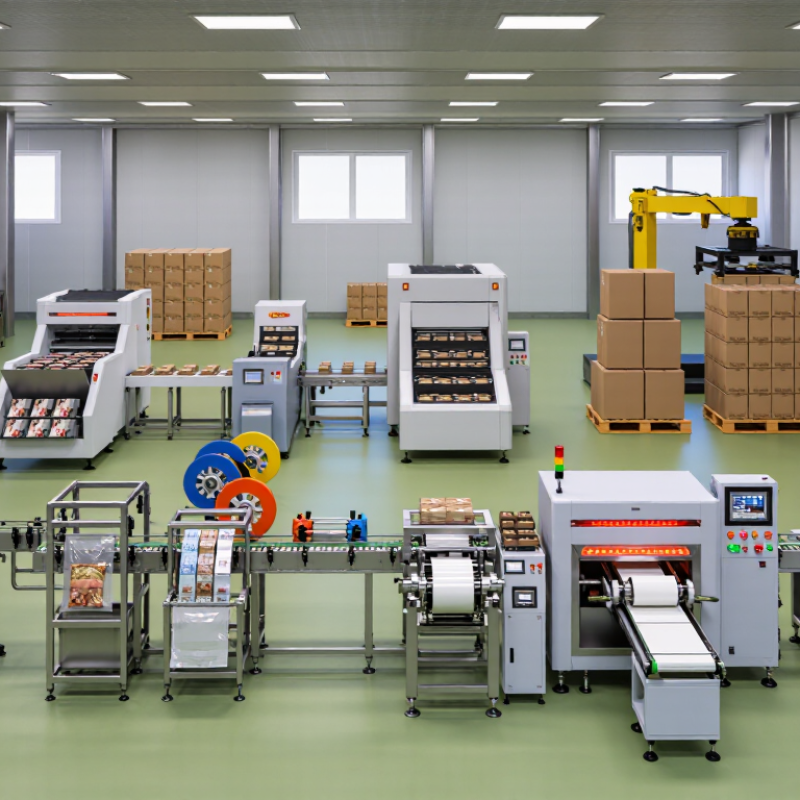
Packaging equipment moves products from open containers to sealed, labeled, shipment-ready units. Its purpose is practical: protect goods, control portions, reduce handling, and keep production moving. The right setup depends on product texture, container shape, speed, and cleaning needs. A powder needs different feeding and sealing than a glass bottle. Small details matter. Common equipment includes fillers, weighers, conveyors, bottle unscramblers, cappers, labelers, cartoners, case packers, palletizers, and stretch wrappers. Some lines also use inspection systems to check seals, fill levels, or codes. Not every facility needs all ten; adding machinery without a clear bottleneck can create more work.

Each machine solves a specific task. Fillers dispense liquids, pastes, or dry products; cappers close containers, while labelers apply product information. Cartoners and case packers group items for retail or transport. Palletizers stack cases, and stretch wrappers stabilize loads for shipping. Conveyors connect these steps, but poorly matched speeds can cause jams and idle equipment. In its World Robotics 2024 report, the International Federation of Robotics recorded 541,302 industrial robots installed worldwide in 2023, more than double the annual installations a decade earlier. This signals growing factory automation, though it does not mean every packaging task should be robotic. Test changeover time, cleaning access, and reject handling on the actual product. A neat demo can hide awkward shifts.

What Are the Top 10 Types of Packaging Equipment?

Packaging equipment supports primary packaging, secondary packaging, and end-of-line handling.

This chart groups ten common equipment types by their typical role: filling, form-fill-seal, wrapping, and capping for primary packaging; labeling, cartoning, and shrink wrapping for secondary packaging; and case packing, palletizing, and strapping for end-of-line handling. Actual line configurations vary by product and package.

Filling and Form-Fill-Seal Machines

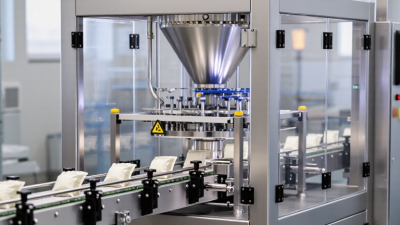
Filling and form-fill-seal (FFS) machines combine product dosing with package forming and sealing. A vertical FFS line may draw film from a roll, shape it into a tube, add a measured portion, then seal and cut each pouch. On a factory floor, that means checking film tension, fill temperature, and seal pressure—not just the machine’s rated speed. Small details matter.

PMMI’s 2023 State of the Industry report valued U.S. packaging machinery shipments at $10.9 billion in 2022, reflecting strong investment across the sector. The FAO’s 2019 State of Food and Agriculture estimated that 14% of food is lost between harvest and retail. Better portion control and reliable seals can help reduce some avoidable losses, but equipment alone cannot solve storage or distribution problems. Not automatically.

Choose filling technology around the product’s real behavior. A powder may bridge in a hopper; a thick sauce may leave residue near the nozzle. FFS systems also differ: vertical machines suit many free-flowing products, while horizontal systems can handle preformed or delicate items. Ask for trials using your actual product and packaging film. Then inspect seal consistency and changeover time, not only output speed. One caveat: test results on a clean line may not reflect a busy shift. That gap deserves attention.

Sealing, Capping, and Labeling Machines

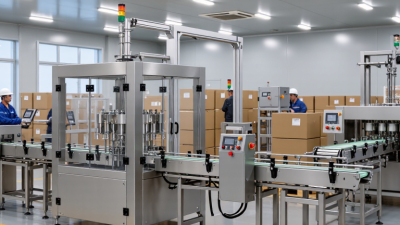
Sealing, capping, and labeling machines often work as a connected section of a packaging line. A sealer closes pouches, trays, or cartons, while a capper applies closures to bottles and jars. A labeler places product information on the package. Each machine has a different job, but a problem at one station can slow the whole line.

For sealing, operators check temperature, pressure, and dwell time. A seal that looks closed may still leak if the film is wrinkled or the settings drift. Small details matter. Capper performance depends on container shape, cap size, and the grip applied during tightening. Too little torque can leave a loose closure; too much may damage the cap or make opening difficult. Regular sample checks help catch these issues before many packages are affected.

Labeling machines need steady product spacing and clean, dry surfaces. If bottles arrive crooked, labels can skew or wrinkle. Sensors and guides should be adjusted for the actual container, not just its drawings. That sounds obvious, yet it is easy to overlook during a fast changeover. There is no perfect setting for every package. A short test run, followed by inspection of real samples, is often more useful than trusting the display alone.

What Are the Top 10 Types of Packaging Equipment? — Sealing, Capping, and Labeling Machines
Packaging Equipment Primary Function Common Applications Typical Operating Range Key Selection Consideration
Filling Machine Dispenses a measured amount of liquid, paste, powder, or granules into a container. Beverages, sauces, personal care products, powders, and dry foods. About 10–300 containers per minute, depending on product, fill volume, and number of filling heads. Product viscosity, foaming, accuracy requirements, and container type.
Capping Machine Places and tightens screw, snap-on, or other compatible closures. Bottles and jars for food, beverages, household products, and personal care items. About 20–300 containers per minute, depending on the cap and machine configuration. Closure style, required application torque, and container stability.
Induction Sealing Machine Uses electromagnetic heating to bond a foil liner to the opening of a compatible container. Products needing a tamper-evident or leak-resistant seal, including foods and household liquids. About 20–200 containers per minute on many inline systems. Container and liner compatibility, seal integrity, and conveyor speed.
Heat Sealing Machine Joins compatible thermoplastic packaging materials using heat and pressure. Pouches, bags, trays, and flexible-film packages. About 5–60 cycles per minute for many intermittent systems; continuous systems vary. Film material, seal width, package size, and required seal strength.
Carton Sealing Machine Closes and seals filled cartons, commonly with pressure-sensitive tape or hot-melt adhesive. Shipping cases used in manufacturing, distribution, and e-commerce operations. About 10–30 cartons per minute for many automatic systems. Carton size range, closure method, and whether carton sizes change frequently.
Labeling Machine Applies pressure-sensitive, wraparound, or other labels to packages. Bottles, jars, cans, cartons, and other retail or shipping packages. About 20–500 packages per minute, depending on label type and application accuracy. Package shape, label placement, changeover needs, and inspection requirements.
Form-Fill-Seal Machine Forms packaging from film, fills it with product, and seals it in an integrated process. Snack foods, frozen products, powders, liquids, and single-serve items. About 10–200 packages per minute, depending on format, product, and number of lanes. Package format, film characteristics, fill accuracy, and sanitation requirements.
Case Erector Forms flat corrugated blanks into open cases and secures the bottom flaps. Preparing shipping cartons for manual or automated case packing. About 8–30 cases per minute for many automatic machines. Case dimensions, blank quality, and compatibility with the downstream line.
Shrink-Wrapping Machine Wraps products or multipacks in shrink film and applies heat to create a close-fitting wrap. Beverage multipacks, retail bundles, and grouped consumer goods. About 5–40 packs per minute for many systems; output depends on pack size and configuration. Film type, bundle layout, heat requirements, and desired package appearance.
Case Packer Loads individual products or multipacks into corrugated shipping cases. Bottles, cartons, cans, bags, and other products prepared for distribution. About 5–30 cases per minute for many systems, depending on the loading pattern. Product arrangement, case style, changeover frequency, and available floor space.
Operating ranges are indicative examples, not guaranteed specifications. Actual throughput depends on product characteristics, package dimensions, machine configuration, and line conditions.

Cartoning, Case-Packing, and Palletizing Machines

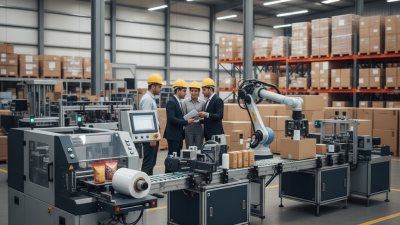
Among the top ten types of packaging equipment, cartoning, case-packing, and palletizing machines manage the final packaging stages. Each machine solves a different production constraint.

Cartoners form cartons, load products, and seal flaps at controlled speeds. They suit bottles, pouches, trays, and small retail products.

Case-packers then place finished cartons into shipping cases. Common formats include wraparound, top-load, and robotic pick-and-place systems. A reliable case-packer should handle size changes without long stoppages. Small errors can still create crushed corners or poorly closed cases.

Palletizers arrange cases into stable layers for storage and transport. They may use robotic arms, conventional gantries, slip-sheet units, or integrated stretch wrapping.

PMMI’s 2023 State of the Industry report valued U.S. packaging machinery shipments at approximately 10.2 billion dollars in 2022, with automation supporting growth. The International Federation of Robotics reported 541,302 industrial robots installed worldwide in 2023. That figure does not represent palletizers alone, but it shows the wider move toward automated handling.

In practice, speed is only one performance measure. A fast palletizer is not useful if its pattern damages cases or wastes warehouse space. The uncomfortable point is that no single machine fits every line. Product fragility, carton variation, floor space, and operator skill can change the best choice.

A clean specification sheet may hide messy production realities. Teams should test real products, not only sample cartons.

Conveying and Inspection Equipment

Conveying and inspection equipment keep packaging lines moving while helping teams catch defects before products leave the floor.

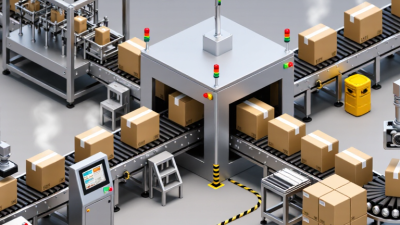
Belt conveyors suit steady flows of cartons, pouches, or bottles. Roller conveyors can handle rigid cases, but may jostle unstable packs. Keep transfer points smooth. A raised edge or sudden drop can tip a bottle, scuff a label, or cause a jam that slows the line. Match belt speed, width, and surface to package weight and shape, then check alignment during changeovers.

Inspection systems add another layer of control.

Checkweighers flag packs outside a set weight range, while vision cameras can detect skewed labels, missing components, or damaged seals. Metal detectors and X-ray systems address different inspection needs, so selection should reflect the product, packaging materials, and quality plan. Not every alarm means a faulty pack; vibration, glare, dust, or poor calibration can cause false rejects. Still, recurring alarms deserve attention. Place equipment where packs are stable and accessible, and verify performance with routine test pieces and recorded checks. Clear alarms, a tidy reject bin, and trained operators matter as much as the sensors. A compact layout saves space, but can make cleaning and maintenance awkward.