
What Are the Top China Packaging Equipment Systems?
China has become a major source of packaging equipment systems for food, beverage, pharmaceutical, cosmetics, and consumer goods production. Yet “top” should not mean the cheapest machine. It should mean reliable output, stable quality, practical service, and measurable production value. This article examines leading Chinese systems through those demanding criteria.
Tom Egan, former vice president of industry services at PMMI, has stated, “Automation is not the answer to every packaging challenge.” That reminder matters. A fast cartoner may impress during a factory demonstration, but its value changes when operators face frequent format changes, limited floor space, or difficult cleaning routines. Strong packaging equipment systems should connect fillers, conveyors, sealers, labeling units, inspection devices, and case packers without creating fragile bottlenecks.
The discussion will compare system design, machine flexibility, control technology, safety features, and after-sales support. It will also consider servo performance, PLC integration, remote diagnostics, spare-parts access, and changeover time. A pharmaceutical line may need strict traceability and vision inspection. A snack producer may prioritize gentle product handling and rapid sealing. Different factories require different answers.
No ranking is perfect. Some suppliers present excellent equipment but limited field data. Others offer impressive prices yet weaker technical support. That gap deserves attention. The best China packaging equipment systems are not defined by one machine or one specification. They are judged by performance across real shifts, real operators, and real maintenance problems. This article explores where leading systems perform well, where claims need verification, and where buyers should remain cautious.
Defining China Packaging Equipment Systems Through ISO 12100 and GMP Standards
What Are the Top China Packaging Equipment Systems?
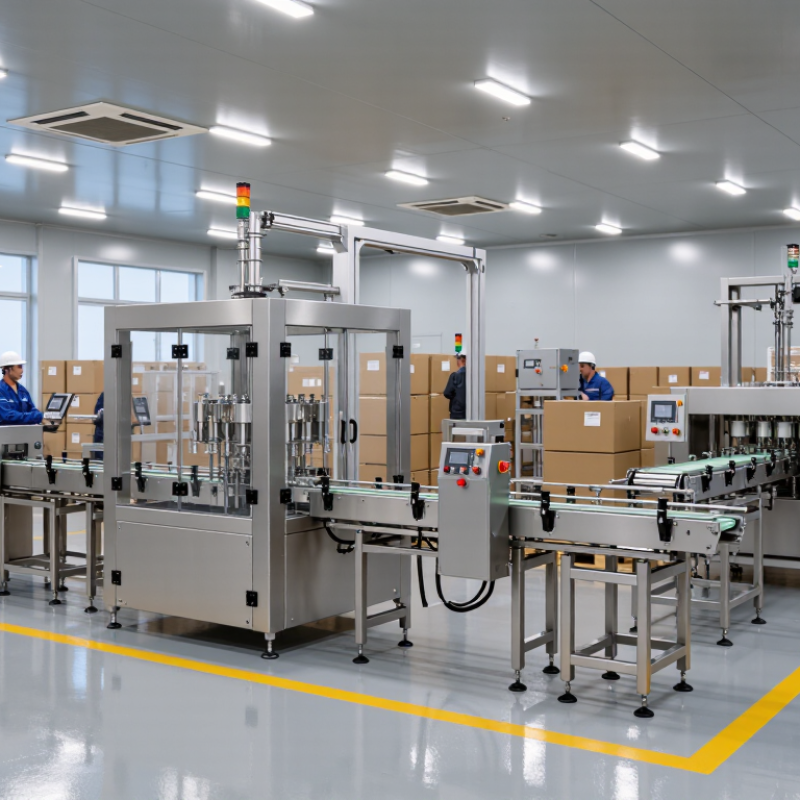
China packaging equipment systems are increasingly evaluated through safety, hygiene, and process control. ISO 12100 provides a practical framework for identifying hazards, estimating risks, and reducing them through machine design. In real facilities, this means guarded moving parts, accessible emergency stops, clear operating instructions, and safer maintenance access. A strong system should also support stable filling, sealing, labeling, and inspection without creating unnecessary operator exposure.
GMP standards add another important layer. Packaging areas should use cleanable surfaces, controlled material flow, and documented procedures. Product-contact components need suitable materials and straightforward sanitation access. Equipment records should show calibration, cleaning, maintenance, and change-control activities. These details help manufacturers build reliable operations rather than simply purchase fast machinery. From engineering experience, integration matters greatly. Conveyors, sensors, coding units, and inspection devices must communicate consistently. Small timing errors can cause rejected packs and difficult investigations. No system is perfect. Poor training or weak documentation can still reduce compliance, even with capable equipment.
Tips: Request a documented ISO 12100 risk assessment before acceptance. Check cleaning access with a real sample container. Review validation records, alarm logic, and spare-part procedures. Ask operators to test the interface, because designers sometimes miss practical problems. Select systems that provide measurable safety evidence, GMP-ready records, and repeatable performance.
What Are the Top China Packaging Equipment Systems? - Defining China Packaging Equipment Systems Through ISO 12100 and GMP Standards
| Packaging Equipment System | Primary Packaging Stage | Typical Applications | ISO 12100 Design Focus | GMP and Hygiene Focus | Typical Control and Verification Points |
|---|---|---|---|---|---|
| Liquid Filling and Capping System | Primary packaging | Bottles, vials, ampoules, oral liquids, sterile and non-sterile liquid products | Guarding of filling, indexing and capping mechanisms; prevention of access to pinch, crush and rotating hazards; safe isolation during cleaning and maintenance | Product-contact surfaces should be cleanable, compatible with the formulation and designed to minimize contamination and cross-contamination; sterile applications require controlled environments and validated cleaning or sterilization processes | Fill-volume accuracy, stopper or cap presence, closure integrity, line clearance, batch-record accuracy and alarm response |
| Powder Filling and Sealing System | Primary packaging | Powders, granules, sachets, pouches, bottles and dry pharmaceutical products | Control of dust-related exposure, moving augers and dosing mechanisms; risk reduction through enclosure, interlocking and engineered extraction | Dust control, suitable product-contact materials, prevention of mix-ups, controlled cleaning and documented equipment status | Weight variation, dosing repeatability, seal temperature, seal pressure, dust leakage, reject segregation and cleaning verification |
| Blister Packaging System | Primary and secondary packaging | Tablets, capsules and unit-dose medical or pharmaceutical products | Thermoforming, sealing, cutting and feeding hazards; fixed or interlocked guards; safe access to heated tooling and cutting areas | Protection from particulate and foreign-material contamination, validated forming and sealing parameters, controlled tooling changes and effective line clearance | Pocket formation, product presence, seal quality, foil registration, print readability, leak testing and rejection of incomplete packs |
| Strip and Sachet Packaging System | Primary packaging | Powders, granules, liquids, creams and small-dose products | Control of sealing jaws, film drives, cutters and heated surfaces; protection against entanglement, burns and crushing | Cleanable product zones, controlled materials, prevention of seal contamination and documented changeover procedures | Seal strength, seal continuity, fill weight or volume, coding accuracy, film tracking and package integrity |
| Cartoning and Leaflet Insertion System | Secondary packaging | Cartons containing blister packs, bottles, inserts and regulated product information | Guarding of carton pick-up, opening, insertion and closing mechanisms; safe access for jam clearance and format changeover | Prevention of leaflet and product mix-ups, effective line clearance, reconciliation of printed materials and controlled changeover | Carton presence, leaflet presence, correct product combination, code verification, flap closure and reject confirmation |
| Labeling and Coding System | Primary, secondary and tertiary packaging | Containers, cartons, cases, pallets and serialized or batch-controlled packages | Safe design of label-feeding rollers, applicators and conveyors; control of accessible moving parts and stored energy | Prevention of incorrect labels, controlled issuance and reconciliation of printed components, secure data handling and documented electronic records where applicable | Barcode readability, print contrast, batch and expiry data, label position, reject verification and audit-trail review |
| Inspection and Vision Verification System | In-line quality control | Presence, orientation, fill level, seal, print, label and package-defect inspection | Safe integration with conveyors and reject devices; prevention of unexpected restart; accessible controls and clearly defined safety functions | Electronic data integrity, controlled recipes, inspection challenge tests, segregation of rejected units and traceable quality records | Detection capability, challenge samples, false-reject monitoring, reject-bin access control, image records and alarm handling |
| Case Packing and Palletizing System | Tertiary packaging | Transport cases, cartons, trays, shrink-wrapped units and pallet loads | Robot and conveyor risk assessment, perimeter guarding, interlocked gates, safe stop functions and protection from impact or crushing | Accurate case counts, product traceability, cleanable conveying areas and prevention of damage or mix-ups during aggregation | Case count, pallet pattern, code aggregation, wrap or tape integrity, load stability and safe manual-intervention procedures |
| Aseptic Filling and Isolator-Integrated System | Sterile primary packaging | Sterile liquids, prefilled containers and products requiring high contamination control | Risk reduction for doors, transfer systems, glove ports, filling needles and automated motion; safe maintenance without compromising containment | GMP contamination-control strategy, environmental monitoring, validated sterilization or decontamination, aseptic process simulation and restricted interventions | Pressure differentials, airflow or containment status, filter integrity, intervention records, media-fill results and container-closure integrity |
| Integrated Modular Packaging Line | End-to-end packaging | Combined filling, sealing, inspection, labeling, cartoning, case packing and data management | System-level risk assessment, coordinated emergency stops, safety-related control functions, access zoning and verification of interfaces between modules | Documented user requirements, qualification lifecycle, validated cleaning and changeover, material and personnel flow control, traceability and data integrity | Overall equipment effectiveness, line clearance, recipe control, batch traceability, reject reconciliation, alarm history and change-control records |
Related Posts
-
What Are the Top Packaging Equipment Suppliers?
-
Top Packaging Equipment Systems for Efficient Production?
-
10 Best Packet Machines for Efficient Packaging Solutions
-
How to Choose the Right Packaging Equipment for Your Business Needs
-
2026 Best Packaging Automation Equipment for Business
-
How to Choose the Right Packaging Machine?