2026 Best Packaging Automation Equipment for Business

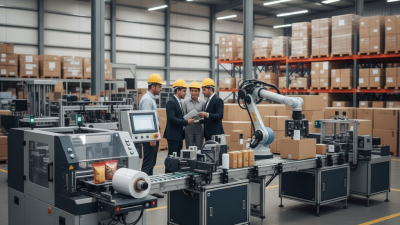
In 2026, packaging automation equipment is becoming a practical investment for manufacturers, distributors, and growing online businesses. Modern systems can fill, seal, label, inspect, and palletize products with less manual handling. However, the best solution depends on product shape, package material, production volume, and available floor space. A compact pouch line may suit a food startup, while a robotic palletizer may better serve a high-volume warehouse. The machine must fit the operation, not merely look advanced.

This guide examines leading packaging automation equipment for business use. It considers throughput, changeover time, energy consumption, maintenance access, operator training, and integration with existing systems. Real performance matters more than impressive brochures. A line running 120 packages per minute may still disappoint if cleaning takes hours each shift. Sensors, vision inspection, and data tracking can improve consistency, but they also require skilled setup and regular calibration. Small details count.

No machine is perfect. Even reliable equipment can pause because of film tension, uneven cartons, or incorrect settings. That reality deserves attention. Our recommendations emphasize documented specifications, service support, spare-parts availability, and transparent total ownership costs. We also encourage buyers to request live demonstrations and test their own products before signing a purchase agreement. Results can vary between facilities. A careful evaluation in 2026 should balance automation goals with worker safety, product protection, regulatory compliance, and long-term maintainability. This approach supports confident decisions without pretending that one system fits every business.
2026 Best Packaging Automation Equipment for Business

What Packaging Automation Equipment Is and Why Businesses Need It

2026 Best Packaging Automation Equipment for Business

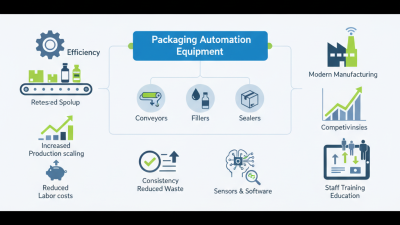
Packaging automation equipment includes machines and connected systems that fill, weigh, seal, label, inspect, and move products. Some systems handle one task, while integrated lines manage several stages with limited operator input. In a working facility, sensors can detect an underfilled pouch, reject it, and record the event for quality review. This improves consistency and reduces repetitive handling. Businesses also gain more predictable output during busy periods. However, automation does not remove every challenge. Poorly adjusted equipment can create waste quickly.

Tips: Measure your current cycle time. Test equipment with real products and packaging materials. Check cleaning access, spare-part availability, and operator training. Start with the slowest or most error-prone process.

The best equipment depends on product shape, packaging speed, available floor space, and future production plans. A compact sealing machine may suit a small operation, while a larger facility may need robotic case packing and palletizing. Reliable systems should provide clear alarms, safe access points, and useful production data. Maintenance teams need practical instructions, not complicated manuals alone. Businesses should calculate labor savings, material waste, downtime, and service costs before purchasing. Sometimes a lower-speed system delivers better results because workers can maintain it more easily. That trade-off deserves honest review.

Main Types of Packaging Automation Equipment in 2026

Main Types of Packaging Automation Equipment in 2026

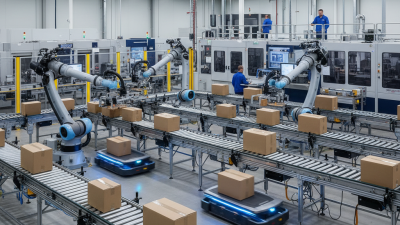
Packaging automation in 2026 covers several connected equipment groups. Primary packaging machines fill, weigh, seal, cap, and label products. Form-fill-seal systems suit flexible pouches and small sachets. Cartoners and case packers handle secondary packaging at higher speeds. Robotic palletizers then stack finished cases with consistent spacing. Vision inspection systems check seals, codes, labels, and damaged containers.

These details matter. One missed defect can stop a shipment.

The International Federation of Robotics reported 541,302 industrial robot installations worldwide in 2023. This figure shows how robotics is moving beyond heavy manufacturing.

The PMMI 2024 State of the Industry report also identifies labor shortages, faster changeovers, and flexible production as key packaging investment drivers.

However, automation is not automatically efficient. Poor conveyor layouts, weak data connections, and difficult cleaning routines can create new losses. Plant audits often find that the “fastest” machine performs poorly after frequent format changes.

That deserves honest review.

Tips:

Match equipment to product behavior, not only hourly speed. Check film tension, container stability, washdown needs, and changeover time. Request performance data from similar applications. Use modular conveyors and quick-release tooling where product sizes may change. Keep operators involved during testing. Their practical feedback often exposes problems that factory acceptance tests miss. Also, budget for inspection software, spare parts, training, and cybersecurity. These costs are easy to underestimate.

How to Match Equipment with Products and Production Needs

2026 Best Packaging Automation Equipment for Business

How to Match Equipment with Products and Production Needs

Choosing packaging automation starts with the product, not the machine. A fragile glass item needs gentle handling and controlled movement. A dense carton may require stronger conveyors and precise sealing pressure. Measure product weight, dimensions, surface texture, and moisture exposure before comparing equipment.

Production speed also changes the decision. A small batch operation may benefit from a flexible semi-automatic filler, sealer, or labeling unit. High-volume lines usually need synchronized conveyors, sensors, checkweighers, and case packers. Leave space for changeovers. Otherwise, a fast machine can create expensive delays.

Test real products.

Operators should record line speed, error rates, material waste, and cleaning time during trials. A machine that performs well for one package may struggle with another film thickness or closure shape. This is where planning often fails. Teams sometimes trust catalog capacity instead of testing peak demand and seasonal variation. That approach needs correction.

Select equipment with accessible controls, safety guarding, spare-part support, and clear maintenance procedures. Operators should adjust formats without excessive tools or specialist training. Data from trial runs should guide the final purchase, not optimistic estimates. A practical design may sacrifice a little speed for steadier output, easier inspection, and fewer rejected packages.

2026 Best Packaging Automation Equipment for Business - How to Match Equipment with Products and Production Needs
Equipment Type Best Product Format Typical Production Rate Recommended Product Weight or Size Automation Level Space Requirement Typical Labor Impact Key Production Need Best-Fit Business Profile
Automatic Cartoning Machine Cartons containing bottles, pouches, tubes, sachets, or small components 30–250 cartons/minute Small to medium products; commonly 20 g–2 kg per carton Automatic loading, carton forming, product insertion, and closing Approximately 8–20 m² Can reduce manual cartoning labor by approximately 2–5 operators per shift Consistent carton presentation, high repeatability, and integration with filling or labeling lines Medium- to high-volume operations with stable carton sizes and repeatable product geometry
Vertical Form-Fill-Seal Machine Powders, granules, snacks, seeds, coffee, pet food, and free-flowing dry products 20–120 bags/minute Approximately 10 g–5 kg per bag, depending on film width and dosing system Automatic film forming, filling, heat sealing, and bag cutting Approximately 5–12 m² Usually operated by 1–2 people, excluding upstream material handling Flexible bag production with accurate dosing and reduced packaging material waste Businesses requiring multiple bag sizes, moderate flexibility, and efficient use of roll film
Horizontal Flow Wrapper Bars, bakery products, vegetables, medical items, hardware, and individually portioned goods 40–300 packs/minute Products generally up to 450 mm long and 150 mm high, depending on machine configuration Automatic product feeding, film wrapping, longitudinal sealing, and end sealing Approximately 6–15 m² Typically 1 operator for loading supervision and quality checks High-speed pillow-pack production with clean seals and a compact package format High-volume producers of individually wrapped products with consistent dimensions
Automatic Case Packer Retail cartons, pouches, bottles, cans, trays, and multipacks packed into shipping cases 4–30 cases/minute Case loads commonly range from 5–25 kg Automatic case forming, product collation, loading, and case sealing Approximately 12–35 m² Can reduce repetitive case-loading work by approximately 2–6 operators per shift Stable secondary packaging, improved case consistency, and reduced manual lifting Manufacturers shipping standardized products in regular case quantities
Robotic Pick-and-Place Cell Irregular, fragile, mixed, or frequently changing products 20–120 picks/minute Common payload range: 0.1–15 kg per pick Vision-guided or programmed robotic handling with automatic recipe changes Approximately 8–25 m², including safety guarding Often requires 1 operator for replenishment, monitoring, and changeovers Flexible handling, precise placement, reduced product contact, and easy line balancing Businesses with multiple SKUs, variable product orientation, or frequent format changes
Automatic Palletizer Sealed cases, cartons, bags, trays, and bundled packages 10–80 cases/minute Typical case weight: 5–30 kg; payload depends on robot or gantry design Automatic layer forming, stacking, pattern management, and pallet handling Approximately 15–45 m² Can eliminate most repetitive manual pallet stacking activities Reduced ergonomic risk, consistent pallet patterns, and higher warehouse throughput Facilities with continuous shipping volumes and standardized pallet patterns
Automatic Stretch Wrapper Finished pallets containing cartons, bags, drums, or mixed cases 20–100 pallets/hour Common pallet heights: 1.0–2.4 m; load weights often up to 2,000 kg Automatic film application, tension control, cutting, and film tail management Approximately 8–20 m² Usually reduces pallet-wrapping work to periodic supervision Load stability, protection from dust and moisture, and consistent film consumption Distribution centers and manufacturers seeking reliable outbound pallet security
Automatic Labeling System Bottles, cartons, cases, pouches, containers, and shipping units 30–300 units/minute Suitable for small to large containers, depending on label position and applicator type Automatic label dispensing, application, verification, and reject handling Approximately 2–8 m² Normally requires only line supervision and label-roll replacement Accurate identification, traceability, barcode readability, and regulatory information control Companies managing many SKUs or requiring strong batch and barcode traceability
Checkweigher and Metal Detection System Packaged food, pharmaceuticals, chemicals, and consumer goods 60–400 units/minute Common weighing range: 10 g–15 kg, depending on conveyor configuration Automatic weight checking, contaminant detection, data logging, and rejection Approximately 2–6 m² Reduces manual inspection and supports continuous quality monitoring Weight compliance, foreign-material control, audit records, and reduced giveaway Regulated or quality-sensitive production lines requiring documented inspection
Automatic Strapping Machine Cartons, bundles, printed materials, timber products, and palletized loads 20–60 straps/minute Package dimensions vary; commonly used for loads up to 50 kg per strap cycle Automatic tensioning, heat sealing, cutting, and strap feeding Approximately 3–8 m² Can replace repetitive hand-strapping tasks with one monitoring operator Bundle integrity, transport stability, and faster preparation for shipment Businesses shipping rigid bundles or cases that need additional load restraint
Automatic Bagging Machine Apparel, linens, hardware, spare parts, agricultural products, and e-commerce orders 10–60 bags/minute Typical bag dimensions range from 100 × 150 mm to 500 × 700 mm Automatic bag opening, product insertion, sealing, and optional labeling Approximately 4–12 m² Can reduce manual bagging labor by approximately 1–4 operators per shift Fast order fulfillment, consistent presentation, and protection from dust or moisture E-commerce, apparel, spare-parts, and light-product operations with frequent orders
Automatic Filling and Capping Line Liquids, creams, gels, detergents, beverages, and personal-care products 20–300 containers/minute Common fill volumes: 10 ml–5 L, depending on pump and nozzle design Automatic container handling, filling, capping, torque control, and reject handling Approximately 10–30 m² Typically requires 1–3 operators for material supply, changeover, and inspection Accurate fill volume, hygienic processing, reduced spillage, and repeatable closure torque Liquid-product manufacturers with consistent container formats and regular production runs
Planning note: Production rates, dimensions, payloads, labor savings, and floor-space figures are typical planning ranges for 2026 equipment selection. Actual performance depends on product characteristics, package materials, machine configuration, changeover frequency, operator practices, and required quality standards.

Key Features for Evaluating Packaging Automation Systems

When evaluating packaging automation systems for 2026, focus on measurable performance, not impressive demonstrations. A practical plant trial should test real cartons, products, speeds, and operators. According to the International Federation of Robotics, 541,302 industrial robots were installed worldwide in 2023. This growth shows automation is expanding, but robot quantity alone proves little.

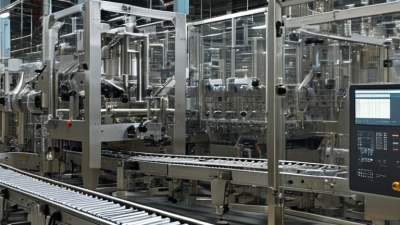
Check throughput, changeover time, uptime, and reject rates. The system should record production data automatically and connect with existing manufacturing software. Safety functions must be easy to inspect and maintain. Flexible tooling also matters, especially when package sizes change frequently. A five-minute changeover can protect more revenue than a higher advertised speed. Energy monitoring deserves attention too. Small motors and compressed-air leaks can quietly increase operating costs. I have seen evaluations focus heavily on speed and overlook cleaning access. That mistake becomes expensive.

Tips: Request a factory acceptance test using your actual packaging materials. Measure output after several hours, not only during a short demonstration. Compare total ownership costs, including training, spare parts, software updates, and downtime. The Deloitte 2024 Smart Manufacturing and Operations Survey reports that 86% of manufacturing leaders view smart manufacturing as important for competitiveness. However, digital features are useful only when operators can understand the data. Keep dashboards simple. Test alarm recovery. Document every manual intervention. The Packaging Machinery Manufacturers Institute also emphasizes workforce skills and service support in its industry outlook, reminding buyers that equipment performance depends on people, not hardware alone. чел

Installation, Integration, Maintenance, and Future Upgrades

Packaging automation in 2026 depends on more than machine speed. Installation quality shapes every later result. Before delivery, measure floor level, power capacity, compressed-air quality, and operator access. Leave enough space for cleaning and safe maintenance. A rushed installation can look successful for one week.

Integration requires careful communication between conveyors, sensors, printers, inspection devices, and production software. Use clear data tags and test every stop signal. Run empty-line trials before introducing products. Then test real cartons at slow, normal, and peak speeds. I have found that small timing gaps often create larger jams than expected. This stage deserves more patience.

Maintenance should include daily cleaning, weekly sensor checks, and scheduled lubrication. Keep critical belts, sensors, and fittings in labeled storage. Record faults with photos, timestamps, and operating conditions. Technicians need practical training, not only manuals. Mistakes happen when training is too theoretical.

Future upgrades should be planned during installation. Select modular controls, spare input and output capacity, and accessible cable routes. Reserve space for additional inspection or robotic handling equipment. Review software permissions and backup procedures regularly. Not every upgrade improves performance. Some add complexity without solving the original problem. A yearly review of downtime, labor changes, and product sizes can guide better decisions.

2026 Best Packaging Automation Equipment for Business

Reference planning allocation for packaging automation projects across installation, system integration, maintenance, and future upgrades.

Integration typically requires the largest planning share because packaging equipment must connect with conveyors, inspection systems, enterprise software, safety controls, and production data systems. Maintenance and upgrade planning help protect uptime and extend equipment service life.