How to Choose Automated Packaging Equipment for Your Business?

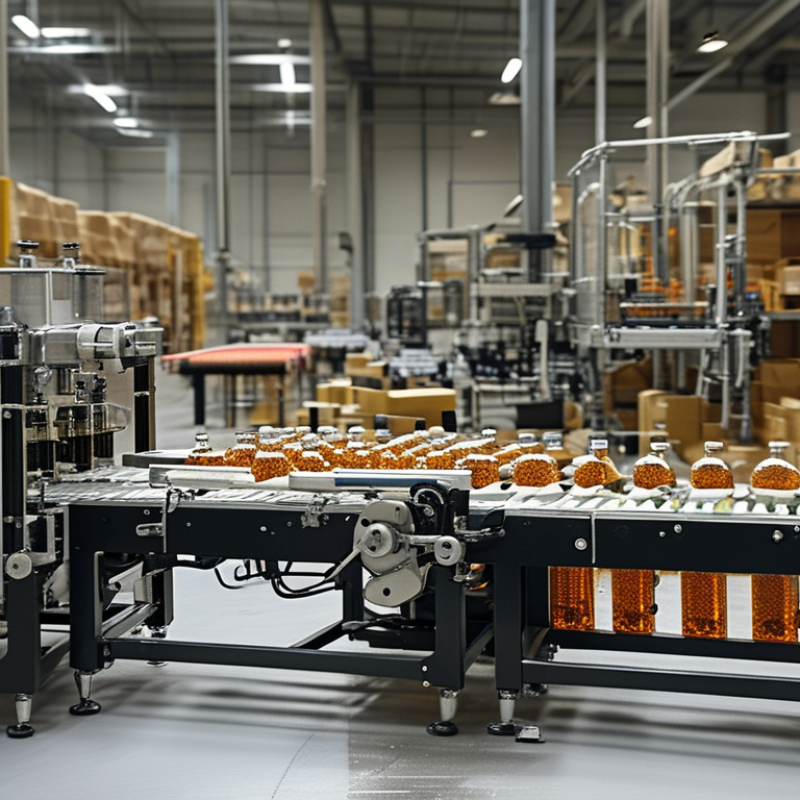
Choosing automated packaging equipment is not simply a matter of buying the fastest machine. It requires a clear understanding of your products, workforce, production targets, and packaging environment. A small food producer may need a compact filling and sealing system, while a growing warehouse may require conveyors, labeling units, and robotic case packing. The right solution should fit today’s operation without restricting tomorrow’s plans.

Begin with the product itself. Measure its weight, shape, surface, and sensitivity to moisture or impact. Observe how it moves through each packaging stage. A powder behaves differently from a fragile bottle. A machine that performs well during a supplier demonstration may struggle with uneven materials or frequent size changes. Request sample testing with your actual products. Evidence from these trials is more useful than impressive brochures.

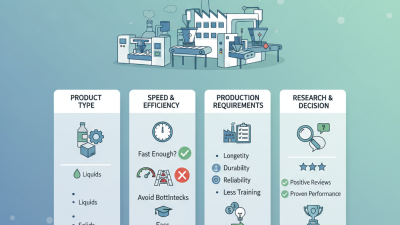
Experienced packaging engineers often examine line speed, changeover time, cleaning access, operator safety, maintenance needs, and available floor space. They also review software compatibility and the supplier’s training and service history. Reliable manufacturers should explain performance limits, spare-part availability, warranty conditions, and documented test results. Do not ignore the human factor. Operators must understand alarms, adjustments, and routine checks without confusion.

No selection is perfect. A higher-speed machine may create more waste or demand greater maintenance attention. A cheaper system may become expensive when downtime, upgrades, and labor are included. Even careful calculations can miss seasonal demand or future product changes. This guide explores practical questions that help businesses compare automated packaging equipment with greater confidence, using measurable evidence instead of assumptions.

How to Choose Automated Packaging Equipment for Your Business?

Define Your Packaging Goals and Operational Requirements

Choosing automated packaging equipment starts with a clear definition of success. Do you need faster output, fewer damaged packs, lower labor strain, or steadier quality? Write these goals in measurable terms, such as 60 packs per minute and fewer than 1% seal defects. Vague targets create expensive confusion. Review your current line during a busy shift, not only in a meeting. Record product sizes, packaging materials, changeover frequency, and the space around each machine. A carton that runs smoothly in the morning may behave differently after temperature or humidity changes.

Operational requirements should include staffing, utilities, cleaning access, noise limits, and maintenance skills. Ask operators where jams occur. Their practical experience often reveals problems missing from spreadsheets. Check electrical capacity, compressed-air quality, floor loading, and network needs before requesting quotations. If products vary in shape, test the widest and smallest samples, including imperfect ones. A system designed around one ideal sample may struggle during ordinary production days. Plan realistic changeovers. Measure the time required to replace film, adjust guides, remove leftover materials, and verify the first acceptable pack.

Use documented trials and acceptance criteria when comparing equipment. Request evidence for stated speeds, accuracy, guarding, and cleaning procedures. An experienced integrator should explain limitations, not only benefits. I have seen teams choose a faster machine, then lose capacity because changeovers were ignored. That mistake is easy to repeat. Build maintenance response, spare-part access, operator training, and future product variations into the requirement list. Leave room for uncertainty. Your first estimate may be wrong, especially when packaging film, seals, or product flow changes at scale. A short pilot run can expose those weaknesses before installation turns them into daily costs.

Compare Automation Levels, Machine Types, and Packaging Formats

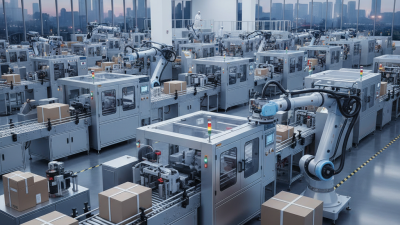
Choosing automated packaging equipment starts with the right automation level. Semi-automatic machines suit smaller teams, seasonal products, or frequent packaging changes. Operators may load containers and confirm each cycle. Fully automatic systems connect filling, sealing, labeling, and case packing with fewer manual steps. They need stable product flow, trained technicians, and dependable floor space. More automation is not always better. An expensive line can remain underused if demand changes.

Machine type must match the product. Auger fillers handle powders, while liquid fillers suit sauces or cleaning solutions. Weighing systems work well when each pack needs accurate portions. Vertical form-fill-seal equipment creates pouches from film. Horizontal systems often suit bars, trays, and individually wrapped products. Carton machines fit boxed goods, while case packers prepare shipping units. Compare speed, changeover time, cleaning access, and maintenance records. A ten-minute format change can matter more than peak hourly output.

Tips: Test your actual product, packaging material, and smallest planned batch before purchasing. Watch for dust, sticky residue, fragile items, and uneven shapes. Ask operators to perform a complete changeover. Their feedback may reveal awkward controls or unsafe reaching positions. Check whether your preferred packaging format fits storage, transport, and customer handling needs. I once underestimated film waste during short production runs; the machine met its speed target, but material costs rose sharply. Leave room for revision. Your first equipment plan may be wrong.

Evaluate Equipment Performance, Compatibility, and Product Safety

When selecting automated packaging equipment, measure performance under real production conditions, not showroom speed. Record sustained output, changeover time, downtime, reject rate, and compressed-air consumption. The International Federation of Robotics reported 541,302 industrial robots installed worldwide in 2023, a 10% annual increase (World Robotics 2024). That growth signals rising automation demand, but speed alone proves little. Request a factory acceptance test with your actual film, cartons, closures, and product weights. Short trials can hide jams.

Compatibility begins with the complete production line. Check upstream feeding, downstream packing, controls, data exchange, floor space, utilities, and operator access. PMMI’s 2024 industry outlook identifies labor pressure and equipment integration as continuing packaging concerns. Require documented interface protocols and tested recipes for every format. Measure changeover with the least experienced trained operator. It is less flattering, but more honest. A machine that performs brilliantly beside one conveyor may fail after installation.

Product safety needs measurable controls. Verify guarding, emergency stops, hygienic surfaces, cleanability, foreign-material detection, reject confirmation, and batch traceability. The World Health Organization estimates that contaminated food causes 600 million illnesses and 420,000 deaths annually worldwide (WHO, Estimates of the Global Burden of Foodborne Diseases, 2015). For food-contact applications, validate cleaning procedures and inspect wear points before particles reach the product. Do not accept “maintenance-free” claims without service records, risk assessments, and test evidence. Some specifications will change after trial runs. That is normal, and worth documenting.

Calculate Total Ownership Costs, Staffing Needs, and Return on Investment

How to Choose Automated Packaging Equipment for Your Business?

The purchase price rarely shows the true cost of packaging automation. Calculate equipment, installation, guarding, software updates, utilities, spare parts, and operator training. Include floor preparation and production downtime during commissioning. A machine that costs $180,000 may require another $35,000 before producing saleable packs. Ask the supplier for maintenance intervals and expected component life. Then verify those figures with an experienced technician, not only a sales representative.

Staffing needs also change after installation. One operator may monitor two lines, but manual loading, quality checks, and material replenishment still require attention. Measure the current labor hours per shift, including overtime and absence cover. A practical trial should record speed, changeover time, rejected packs, and minor stoppages. Numbers from a demonstration can look attractive. Real production is messier. Dust, awkward cartons, and frequent product changes may reduce performance.

Estimate annual benefit by adding labor savings, increased output margin, and reduced waste. Subtract maintenance, energy, financing, and consumables. Divide the equipment investment by the annual net benefit to estimate payback. For example, $215,000 divided by $70,000 gives roughly 3.1 years. Treat this as a planning figure, not a promise. Sensitivity testing is essential: calculate results at 80%, 90%, and 100% of expected uptime. If the return disappears below 90%, the project may need better training, simpler changeovers, or a smaller machine.

Verify Supplier Support, Installation Services, and Future Expandability

Choosing automated packaging equipment involves more than speed, output, or a polished demonstration. Supplier support often determines whether the line performs reliably after delivery. Ask who answers breakdown calls, how quickly they respond, and whether technicians understand your product. Request service records, training plans, spare-parts availability, and clear escalation procedures. A useful test is simple: ask the supplier to explain a common sensor failure without sales language. The answer should be practical.

Installation deserves equal attention. Confirm site measurements, utilities, floor loading, guarding, and operator access before equipment arrives. A qualified installation team should test the machine with your actual packaging materials. It should document settings, safety checks, changeover steps, and accepted production speeds. Ask for hands-on training, not only a digital manual. Projects can be delayed because a small air connection was overlooked. That detail seems minor. It was not.

Tips: Put response times and training hours in writing. Ask for two customer references with similar production volumes. Check whether software updates, spare parts, and remote support remain available after warranty expiration. Discuss expansion before purchase. Can the frame accept another filling head? Can the controls handle added stations? Leave space for conveyors and maintenance access. Some plans fail because future growth is assumed, not measured. Be honest about uncertainty, and price a realistic upgrade path instead of choosing the cheapest initial configuration.

How to Choose Automated Packaging Equipment for Your Business? — Verify Supplier Support, Installation Services, and Future Expandability
Equipment Category Typical Application Typical Throughput Installation Requirements Supplier Support to Verify Future Expandability Indicative Evaluation Score
Vertical Form-Fill-Seal Machine Powders, granules, snacks, frozen foods, and other free-flowing products packed into bags. Approximately 30–100 bags per minute, depending on product characteristics, bag size, and dosing system. Level floor, electrical power, compressed air, product feed system, and sufficient ceiling clearance for the hopper and film path. Confirm remote troubleshooting, spare-parts availability, operator training, recipe setup, and response times for production-critical issues. Can usually be expanded with multihead weighers, auger fillers, nitrogen flushing, checkweighers, metal detectors, and case-packing equipment. 4.5/5
Premade Pouch Packaging Machine Stand-up pouches, zipper bags, spouted pouches, and specialty flexible packaging. Approximately 20–70 pouches per minute, depending on pouch format, filling method, and sealing requirements. Stable power supply, compressed air, pouch storage area, product filler, and accurate pouch-size changeover procedures. Verify pouch testing, sealing validation, changeover training, software support, and the availability of format parts. May be connected to different fillers, liquid or powder dosing systems, additional inspection devices, and automated carton loading. 4.3/5
Horizontal Flow Wrapper Bars, bakery products, produce, medical products, and regularly shaped individual items. Approximately 40–200 packs per minute, depending on product dimensions and sealing configuration. Conveyor integration, product spacing control, suitable film storage, electrical power, and access for sealing-jaw maintenance. Request film-compatibility trials, sealing-performance support, preventive-maintenance schedules, and changeover assistance. Can be integrated with feeding systems, vision inspection, date coding, checkweighing, case packing, and end-of-line automation. 4.2/5
Cartoning Machine Secondary packaging for bottles, pouches, tubes, trays, sachets, and multipack products. Approximately 30–150 cartons per minute, depending on carton style, product loading method, and closure design. Reliable carton supply, product infeed control, compressed air, adequate floor space, and precise carton-size changeover settings. Confirm carton-board testing, format-part lead times, installation supervision, line-integration capability, and maintenance documentation. Can support multiple carton sizes, leaflet insertion, serialization, case packing, robotic loading, and integrated inspection systems. 4.4/5
Case Packer Automatic loading of packaged products into shipping cases or trays for distribution. Approximately 10–60 cases per minute, depending on product arrangement, case design, and loading pattern. Consistent upstream product flow, case-forming or case-erecting equipment, compressed air, and adequate access for changeovers. Verify line-balancing studies, case-pattern trials, conveyor integration, safety validation, and availability of gripper or tooling parts. Usually expandable with robotic loading, case sealing, print-and-apply labeling, palletizing, and warehouse data connectivity. 4.1/5
Robotic Palletizer Automatic stacking of cases, bags, trays, or bundles onto pallets at the end of a packaging line. Approximately 8–30 cases per minute, depending on payload, pallet pattern, product dimensions, and reach requirements. Reinforced floor or approved mounting surface, safety fencing, pallet and slip-sheet supply, compressed air, and defined robot access zones. Confirm robot programming, safety certification, operator training, preventive maintenance, remote diagnostics, and emergency-response procedures. High expandability through additional pallet patterns, multiple pallet stations, stretch wrapping, automatic pallet dispensing, and warehouse integration. 4.6/5
Automatic Labeling and Coding System Application of labels, batch codes, expiration dates, barcodes, and product identification marks. Approximately 30–300 products per minute, depending on label position, print resolution, and inspection requirements. Stable product spacing, suitable mounting points, clean operating conditions, electrical power, and approved label or ink specifications. Verify coding trials, software compatibility, print-quality support, replacement-head availability, and validation documentation. Can be expanded with vision inspection, barcode verification, serialization, reject systems, and production-data reporting. 4.0/5
Integrated End-of-Line Packaging Line Combined conveying, case packing, palletizing, wrapping, labeling, and production-data management. Approximately 10–100 cases per minute, depending on the slowest process, product mix, and required inspection steps. Detailed factory layout, utility planning, line controls, safety zoning, operator access, drainage or hygiene provisions where applicable, and commissioning time. Require a single project manager, documented acceptance criteria, factory and site acceptance tests, training plans, spare-parts strategy, and service-level commitments. Highest potential for expansion when the control architecture, conveyors, data interfaces, and floor space are designed for future modules. 4.8/5
Evaluation guidance: Throughput figures are typical planning ranges rather than guaranteed performance. Before purchasing, request product trials, confirm the required utilities and floor layout, define acceptance-test standards, verify installation and training coverage, and obtain a documented spare-parts and service plan. A higher expandability score indicates greater potential to add modules, formats, inspection functions, or production capacity without replacing the core system.