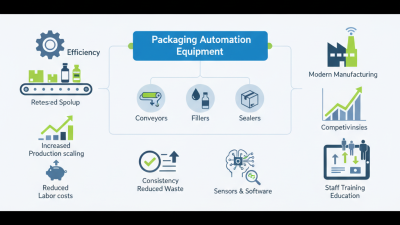
China Best Packaging Automation Solutions for Global Buyers?
In recent years, the global demand for packaging automation has surged significantly. According to a recent report by Smithers, the packaging automation market is projected to grow at a CAGR of 8.5% from 2021 to 2026. This growth highlights the increasing need for efficiency and innovation in packaging processes. China, a leader in manufacturing, is poised to offer optimal solutions for buyers worldwide.
Expert insights shed light on this topic. Tom Richards, a renowned industry expert, emphasizes, "Investing in packaging automation is not just a trend; it’s a necessity for competitive advantage." His perspective underscores how automation enhances productivity while reducing costs. However, there remains a gap in understanding which specific solutions are best suited to meet diverse global needs.
As companies explore automation options, factors like technology integration, scalability, and return on investment are crucial. Not every emerging technology guarantees success. Buyers must carefully evaluate available solutions to ensure they align with their unique business requirements. The conversation on packaging automation is evolving, and thoughtful decision-making is essential for thriving in this dynamic landscape.
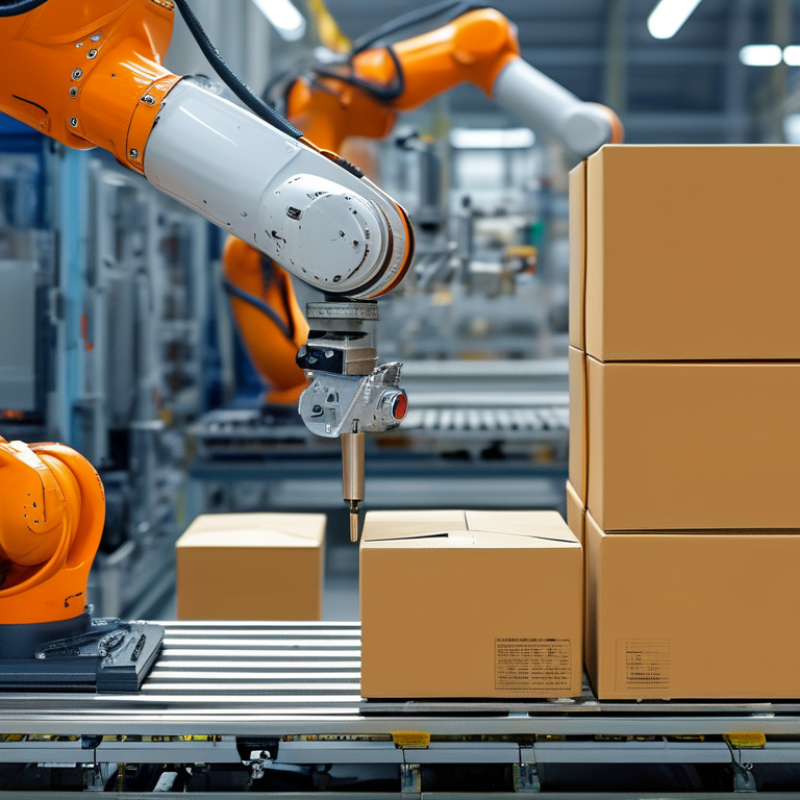
China's Leading Packaging Automation Technologies and Innovations
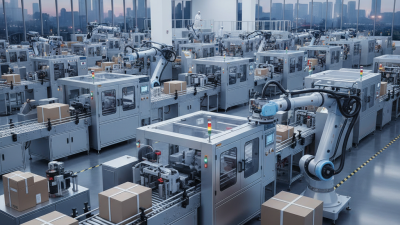
China has become a hub for innovative packaging automation technologies. With a focus on efficiency and precision, Chinese manufacturers have developed advanced solutions that meet global standards. Automation in packaging reduces labor costs and increases production speed. It allows companies to scale operations effortlessly.
Recent innovations include smart and flexible packaging systems. They can adapt to various product shapes and sizes. These systems utilize AI and machine learning, enhancing accuracy. Such technologies also improve quality control, minimizing errors during production. Automation provides real-time data analytics as well, which informs decision-making.
However, challenges remain. Implementing these advanced technologies often requires significant investment. Smaller companies may struggle with the transition from manual to automated processes. Training personnel to operate complex machinery can be daunting. These factors can affect overall reliability and efficiency. Nevertheless, the potential benefits of embracing automation are substantial for companies aiming for growth.
China's Leading Packaging Automation Technologies and Innovations
Key Players in China's Packaging Automation Industry
China's packaging automation industry has gained significant traction in recent years. Key players in this field are leveraging advanced technology to meet the rising demand for efficient packaging solutions. According to a recent industry report, the global packaging automation market is expected to surpass $78 billion by 2026, with a substantial contribution from China. This growth is driven by the increasing need for cost-effective and efficient packaging processes.
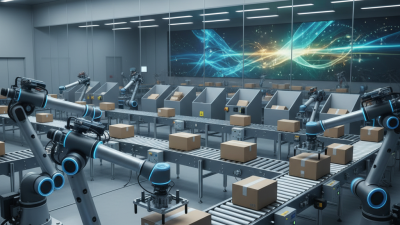
Leading companies focus on developing innovative systems that minimize labor costs and improve productivity. These solutions include robotics, conveyor systems, and intelligent packaging technologies. A report from the International Packaging Association indicates that automation can enhance production efficiency by up to 30%. However, despite the benefits, many manufacturers face challenges in integration and high initial costs. Companies must critically assess their needs and potential return on investment.
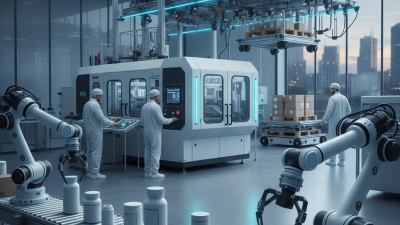
Investments in training and workforce adaptation are crucial. Automation not only replaces manual labor but also requires skilled operators for maintenance and oversight. Some companies struggle with this transition, causing delays in full implementation. The path to effective automation is often complex. Yet, it can lead to streamlined operations and significant cost savings over time.
Benefits of Packaging Automation for Global Buyers
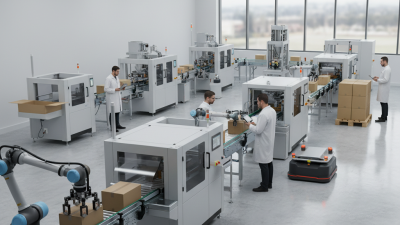
Packaging automation is transforming the landscape for global buyers. Automated systems streamline operations, reducing human error and increasing efficiency. These systems take over repetitive tasks, allowing human workers to focus on strategic roles. For manufacturers, this means higher output with lower labor costs.
Investing in automation offers significant benefits. It can enhance precision, ensuring that every package meets strict quality standards. Companies often see a return on investment within a year due to increased productivity. However, the initial costs can be daunting. Some businesses may struggle to balance automation with workforce concerns. The transition can be complex, requiring training and adjustments.
Global buyers can leverage packaging automation to stay competitive. As markets evolve, speed and adaptability become crucial. Buyers may face challenges in integrating these technologies. It's essential to research and plan carefully. Understanding potential pitfalls can lead to more informed decisions. Embracing automation is not just about adopting new machines; it’s about rethinking operational strategies for sustained growth.
Challenges in Sourcing Packaging Automation Solutions from China
Sourcing packaging automation solutions from China presents unique challenges for global buyers. The complexities of the supply chain can lead to significant delays. A report from the International Federation of Robotics notes that the robotics market in Asia has grown by approximately 23% in recent years. This growth suggests increased competition, but it also puts pressure on quality assurance processes.
One major concern is the variability in product quality. Buyers often encounter discrepancies between expected and delivered standards. According to a survey by the Supply Chain Management Review, about 40% of businesses report issues with inconsistent quality from Chinese suppliers. Lack of clear communication exacerbates this problem, leading to misunderstandings about specifications and requirements.
Furthermore, navigating regulatory compliance can be tricky. Each region has different standards which can delay project timelines. For example, clients have reported that ensuring compliance with EU regulations can take months. This leads to added costs and frustration. Companies must invest time in understanding local regulations and establishing strong relationships with suppliers to mitigate these risks.
Future Trends in Chinese Packaging Automation for International Markets
The landscape of packaging automation in China is evolving rapidly. As global buyers seek efficient solutions, understanding future trends is crucial. One notable trend is the integration of AI technology. This allows for smarter, scalable operations. Companies can automate processes, improve speed, and reduce errors, enhancing overall productivity.
Flexibility is increasingly important in packaging automation. Businesses now prefer equipment that adapts quickly to product changes. This adaptability minimizes downtime, making it easier to respond to market demands. It can lead to significant cost savings, especially in industries with frequent design changes.
Tips: Investing in training for staff on automated systems is vital. Well-trained employees can better manage equipment and troubleshoot issues. Also, assessing your specific needs before purchasing is critical. Not all solutions are one-size-fits-all. Take time to evaluate how various innovations align with your business goals. Understanding these nuances will help you choose the right automation solutions.