China Best Packaging Automation Equipment Solutions for Your Business Needs?
In the competitive landscape of modern manufacturing, businesses increasingly turn to packaging automation equipment to enhance efficiency and reduce costs. As Arthur Thompson, a recognized expert in industrial automation, once stated, “The right packaging automation equipment can transform your operational workflow.” This highlights the critical role that automation plays in optimizing packaging processes.
Companies are constantly seeking solutions that drive productivity. Packaging automation equipment offers streamlined operations and improved accuracy, reducing manual errors. However, selecting the right equipment can be challenging. Various factors must be considered, including the specific needs of your production line and the type of products being packaged.
Exploring the best automation solutions requires careful analysis. It's essential to understand the balance between cost and functionality. While many choices exist, not all equipment will align with your business goals. A thoughtful approach can lead to significant advancements in productivity and quality. Ultimately, the journey toward effective packaging automation is one of learning and adaptation, prompting continual reflection on what works best for your operations.
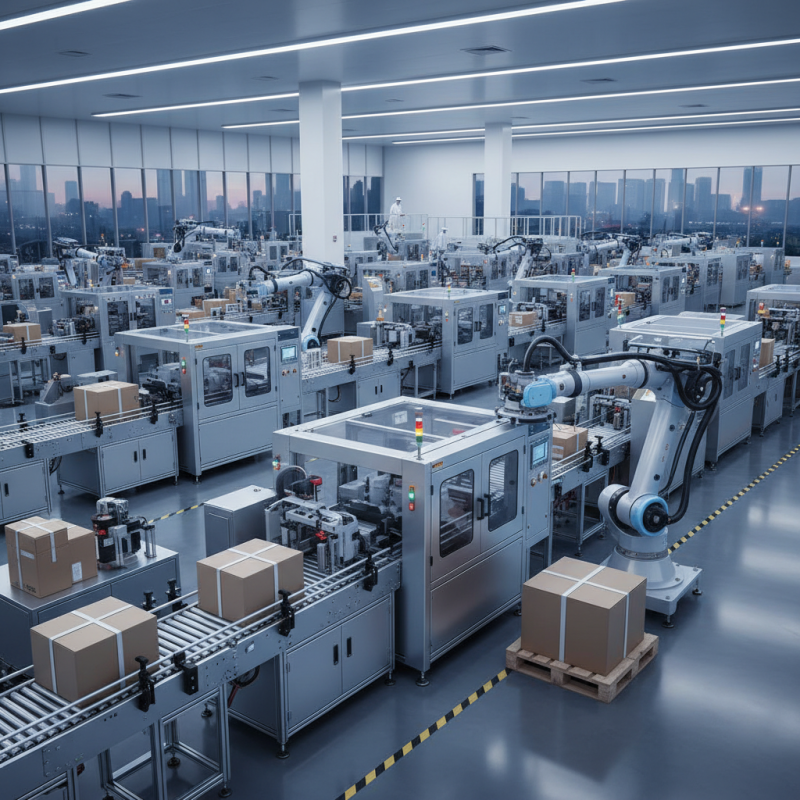
Overview of Packaging Automation Equipment in China
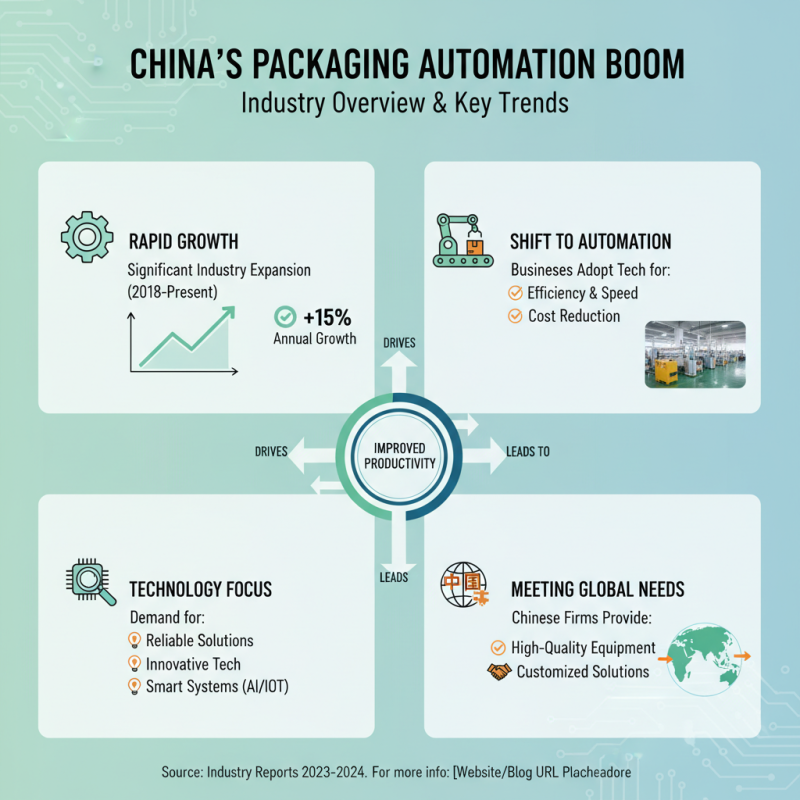
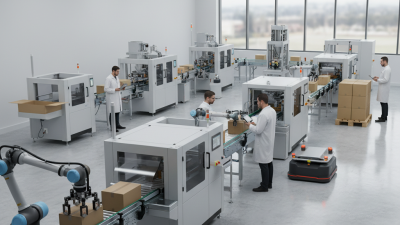
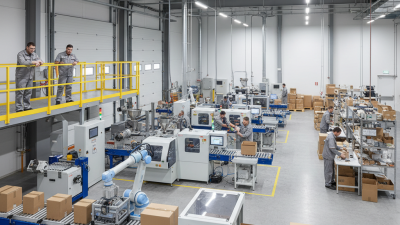
In recent years, China's packaging automation equipment industry has seen significant growth. Many businesses are turning to automation solutions. This shift helps improve efficiency and reduce costs. Companies seek reliable and innovative technology to meet their production needs.
Packaging automation equipment includes machines for filling, sealing, and labeling products. These machines can handle various materials, ensuring versatility. However, selecting the right equipment can be challenging. Many factors must be considered, such as production speed and compatibility. It’s essential to analyze specific business requirements carefully. Some businesses may overestimate their needs, leading to inefficient investments.
China offers a diverse range of packaging automation solutions. Many manufacturers emphasize quality and technology. However, it’s crucial to verify the reliability of suppliers. Not every option guarantees longevity and performance. Engaging in thorough research and reviews is vital. This diligence ensures businesses choose the best equipment for their unique requirements. Packaging automation is not just about speed; it’s about finding a sustainable solution.
Key Benefits of Implementing Packaging Automation Solutions
Packaging automation solutions are critical for modern businesses. These systems can significantly enhance efficiency and reduce costs. According to a report by Smithers Pira, the packaging industry is projected to grow to $1 trillion by 2024. This growth is partly driven by automation. Companies that adopt automation see an average productivity increase of 25%.
Implementing packaging automation offers key benefits. It reduces labor costs by minimizing manual handling. The International Federation of Robots reports that companies using robots in logistics can cut labor expenses by up to 40%. However, the transition to automation may require upfront investment and training, posing challenges for some businesses.
Additionally, automated systems improve consistency and quality. An automated line can maintain higher accuracy in packaging products. Yet, businesses must regularly assess the technology employed. The right solutions should evolve with changing market needs and advancements in automation. Continuous refinement may also prevent costly upgrades later. Adopting automation is a strategic choice but requires careful implementation and ongoing evaluation.
Types of Packaging Automation Equipment Available
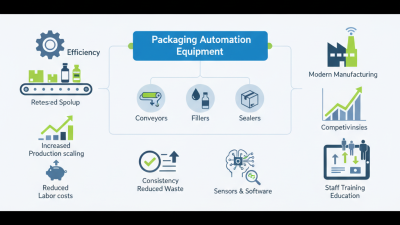
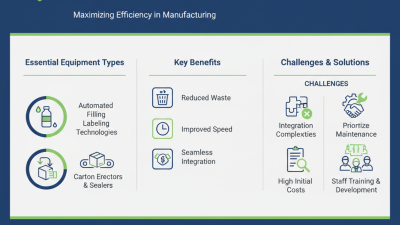
Packaging automation equipment plays a vital role in optimizing efficiency for various businesses. There are several types of equipment available, each designed to meet specific packaging requirements. Common types include filling machines, labeling machines, and wrapping machines. Each type has unique features tailored to different product types.
Filling machines are essential for liquid products. They accurately dispense liquids into containers, minimizing waste. Meanwhile, labeling machines streamline the process of applying labels, ensuring proper branding and compliance. Wrapping machines help protect products during storage and transport. They provide security and enhance presentation.
Tips: Assess your product type when selecting equipment. Consider your production volume and packaging needs. This helps in making informed decisions. Understand the learning curve for new equipment. Sometimes, the investment in training pays off in efficiency gains.
While automation offers numerous benefits, it is not flawless. Equipment breakdowns can disrupt production. Regular maintenance is crucial to mitigate these risks. Evaluate potential obstacles that may arise when integrating new technology into existing systems. Remember, each solution should adapt to your unique business environment.
China Best Packaging Automation Equipment Solutions for Your Business Needs
| Type of Equipment |
Function |
Benefits |
Typical Industries |
| Automated Packing Machine |
Packages products efficiently |
Increased speed and reduced labor costs |
Food, Cosmetics, Electronics |
| Cartoning Machine |
Fills and seals cartons |
Reliable sealing for product integrity |
Pharmaceutical, Beverage |
| Labeling Machine |
Applies labels to products |
Enhanced branding and product information |
Food, Household goods |
| Stretch Wrapper |
Wraps products for shipping |
Secure transport and reduced damage |
Logistics, Warehousing |
| Palletizer |
Stacks boxes on pallets |
Increases efficiency in storage |
Food, Consumer goods |
How to Choose the Right Packaging Automation for Your Business
Choosing the right packaging automation for your business is crucial. Start by evaluating your production needs. Understand the volume of products you handle daily. This will guide you in selecting equipment that matches your output requirements.
Next, consider the types of products you package. Different materials and shapes require unique handling. For instance, fragile items may need gentle solutions to avoid damage. Assessing durability and consistency is vital. Sometimes, cheaper solutions can lead to higher costs in repairs or product losses.
Don't overlook scalability. Your business may grow, so ensure the automation system can adapt to increased demand. Conduct thorough research, weighing pros and cons. Focus on reliable suppliers with a track record but remain critical. Not every solution will fit your needs perfectly, and reflection on past experiences will lead to better choices.
Future Trends in China's Packaging Automation Industry
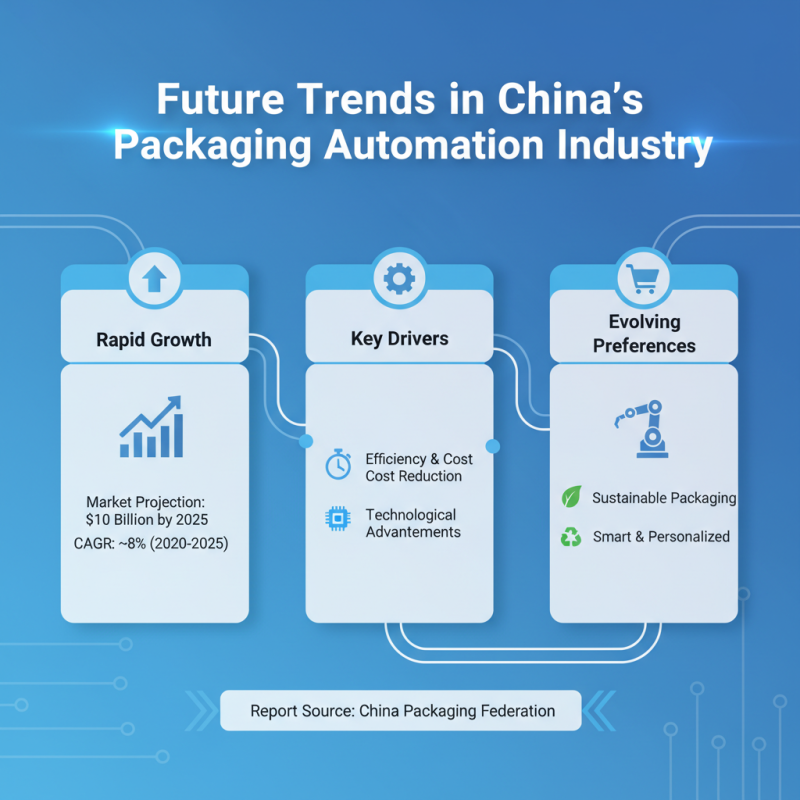
China's packaging automation industry is experiencing rapid growth, driven by increasing demand for efficiency and cost reduction. According to a report from the China Packaging Federation, the market for packaging automation is projected to reach $10 billion by 2025. This indicates a compound annual growth rate (CAGR) of about 8% over the next few years, reflecting significant advancements in technology and evolving consumer preferences.
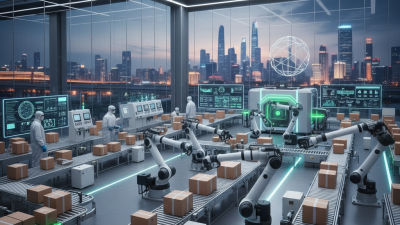
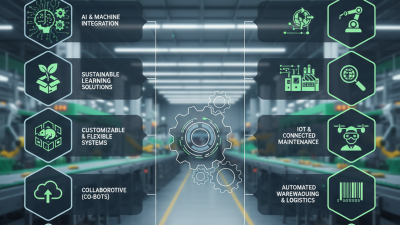
Future trends highlight a shift towards smart packaging solutions. The advent of AI and IoT is transforming traditional packaging methods. Automated systems can now assess product quality in real time, reducing waste and increasing productivity. However, integration of these technologies remains a challenge. Many businesses struggle to train staff adequately on new systems. Furthermore, cybersecurity risks associated with smart devices pose concerns for many manufacturers.
Sustainability is also at the forefront of industry innovation. Eco-friendly packaging materials are gaining traction, with a study from Beijing's Institute of Packaging showing that 54% of consumers prefer sustainable options. Yet, there exists a gap in the availability of these materials in bulk. As companies work to meet consumer expectations, they must address both supply chain challenges and environmental impacts. Transitioning to sustainable practices is essential, but it requires investment and strategic planning.