2026 Best Packaging Supplies for Global Shipping?
Global shipping in 2026 demands more than attractive boxes and low material costs. Reliable packaging protects products across warehouses, airports, ports, and delivery vehicles. It must also support sustainability goals, handling efficiency, and changing carrier requirements.
This guide examines practical packaging supplies for international shipments. It considers corrugated cartons, paper cushioning, molded fiber inserts, stretch film, labels, tapes, and moisture barriers. Each option serves a different purpose. A fragile glass bottle needs tested dividers and controlled movement. A heavy machine part needs reinforced edges, blocking, and secure strapping.
Small details matter.
From shipping experience, packaging decisions should begin with product weight, dimensions, destination climate, and handling risks. Humidity can soften untreated cardboard. Repeated impacts can expose weak corners. Poorly placed labels may slow warehouse scanning or create delivery confusion. These problems are preventable, although no packaging system is perfect.
Testing remains essential. Drop tests, compression checks, vibration trials, and trial shipments can reveal weaknesses before large-scale distribution. International businesses should also review current carrier guidance, destination requirements, and environmental claims carefully. Rules and accepted practices may differ between markets.
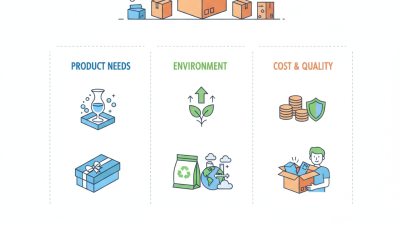
The most suitable packaging supplies balance protection, cost, storage space, recyclability, and customer expectations. Sometimes the lighter option is not the better option. Sometimes an extra insert prevents expensive damage. This article compares dependable materials and methods for global shipping, while acknowledging that real-world results can vary by product and route.

Global Shipping Packaging: Scope and 2026 Selection Criteria
Global shipping packaging must handle more than distance. It faces vibration, compression, humidity, temperature changes, and repeated handling. A parcel leaving a dry warehouse may arrive after rain, delays, or rough transfers. Packaging decisions should reflect the product, transport mode, destination climate, and expected handling conditions.
In 2026, selection should begin with measurable protection. Check cushioning recovery, carton strength, closure security, moisture resistance, and dimensional weight. Test filled packages with realistic drops, stacking loads, and vibration exposure.
Lightweight materials can reduce freight costs, but weak corners create expensive failures. Recyclability matters too, although a recyclable package that damages goods is not a responsible choice. I have seen teams overfocus on material appearance and overlook internal movement. That mistake deserves more attention.
Tips:
Leave minimal empty space, but avoid tight pressure on fragile surfaces. Use clear handling information and moisture barriers when conditions require them. Record test results, product weight, and package dimensions before scaling shipments. Review failure photos, not just successful deliveries. No route is perfectly predictable. A practical design allows small imperfections without losing protection. Recheck the packaging after seasonal weather changes, because last year’s solution may not fit this year’s supply chain.
Essential Packaging Supplies for Different Product Types
2026 Best Packaging Supplies for Global Shipping
Different products need different protection.
Glassware needs molded pulp, corner guards, and a snug outer carton. Fill empty spaces carefully. Too much movement causes impact damage. Too much filler raises freight costs. For clothing, use moisture-resistant mailers or recyclable paper envelopes. Electronics need anti-static bags, foam corners, and strong double-wall cartons. Keep batteries isolated and cushioned. For cosmetics, add leak-resistant inner pouches and absorbent pads. Food products require approved food-contact materials and temperature control when necessary.
Pitney Bowes’ Parcel Shipping Index reported 161.8 billion parcels worldwide in 2022. That volume increases pressure on packaging speed, cost, and damage prevention. The International Safe Transit Association recommends testing packages against vibration, drops, compression, and climate changes. Smithers’ packaging research also highlights right-sizing and protective performance as major e-commerce priorities. A smaller carton can reduce void fill, but it may fail around sharp edges. That trade-off deserves testing.
Tips: Match packaging to the product’s weakest point. Test one packed sample before ordering in bulk. Record carton size, weight, and damage results. I still see teams choosing supplies by appearance alone. That approach is convenient, but not always reliable. A practical review should include stacking, wet handling, rough transfers, and return shipping. No carton survives every route. Erotidae
Protective Packaging for Handling, Transit, and Climate Risks
2026 Best Packaging Supplies for Global Shipping?
Protective Packaging for Handling, Transit, and Climate Risks
Global shipping exposes packages to drops, compression, vibration, humidity, and sudden temperature changes. A strong carton alone cannot manage every threat. Select a double-wall corrugated carton for heavy goods or long routes. Add molded inserts to prevent movement around fragile parts. Movement creates damage quickly.
For handling risks, use corner protectors, cushioning pads, and sealed internal compartments. Keep the product away from carton walls. A small gap can absorb impact. Fill empty spaces with paper-based cushioning or fitted foam. Avoid loose materials that settle during transit. Test the packed carton with controlled drops and compression checks before shipping larger volumes.
Climate risks need closer attention. Moisture absorbers can protect metal, electronics, and sensitive surfaces inside sealed packaging. A waterproof outer wrap helps during rain, storage, and dock transfers. For cold routes, insulation can slow temperature changes. Add a temperature indicator when heat or freezing may affect product performance. Condensation remains easy to overlook.
I have seen well-packed items fail because the inner seal was incomplete. Packaging plans should be reviewed after real shipments, not only in a laboratory. Record crushed corners, wet cartons, shifted inserts, and delivery delays. Then adjust materials, dimensions, or sealing methods. No package is perfectly protected. Some designs still need better testing.
2026 Best Packaging Supplies for Global Shipping
Protective packaging must be selected according to handling, transit, and climate risks. The chart shows the standardized free-fall drop heights used in ISTA 3A parcel delivery testing by packaged-product weight.
Practical implication: Lighter parcels are tested from greater heights, so cushioning materials such as molded pulp, foam, air cells, or engineered corrugated inserts should be matched to the package weight, product fragility, stacking conditions, and expected temperature or humidity exposure.
Data basis: ISTA 3A, Packaged-Products for Parcel Delivery System Shipment, standard free-fall drop-height schedule.
Sustainable Materials and International Shipping Compliance
Global shipping packaging in 2026 must protect products without creating avoidable waste. Recycled corrugated board, molded-fiber inserts, paper tape, and water-based inks offer practical options. Yet no material is universally green. A lighter box can reduce freight emissions, but weak corners may cause damage and replacement shipments. The OECD’s Global Plastics Outlook reports that packaging generated about 40% of global plastic waste in 2019. It also found that only 9% of plastic waste was recycled.
International compliance requires more than selecting recyclable materials. Packaging teams should check destination rules for recycled content, labeling, producer responsibility, and disposal instructions. The European Union’s Packaging and Packaging Waste Regulation will increase requirements for recyclability, material efficiency, and packaging minimization. Requirements may differ between countries. They may also change during a product’s selling period. Keep supplier declarations, test results, and material specifications with every shipping design.
Wooden pallets and crates need special attention. Under ISPM 15, regulated wood packaging generally requires approved treatment and marking before international transport. Corrugated cartons should pass compression and drop tests that reflect humidity, stacking, and rough handling. I still see teams choosing thin mailers too early. That saves grams, not necessarily emissions. The best design uses only the protection required, measures actual damage rates, and revises the package when evidence disagrees with the original plan. Small details matter.
Cost, Testing, and Supplier Evaluation for 2026 Packaging Choices
Choosing packaging supplies for global shipping in 2026 starts with evidence, not attractive catalog photos. I compare delivered cost, protection, storage space, and local recycling options. A low unit price can hide oversized freight charges. For a small electronics shipment, I measure the packed length, width, and height before requesting quotes. Those numbers expose wasted air quickly.
Testing should imitate the route. I use drop tests, vibration tests, compression tests, and moisture exposure on representative cartons. A package may survive a clean warehouse drop yet fail after a wet night on a loading dock. I record product damage, corner collapse, seal failure, and internal movement with photographs. Testing costs money, but one damaged shipment can cost more than a sample program. Still, laboratory results are not perfect predictions. Real handling is messier.
Supplier evaluation needs more than a fast quotation. I check material specifications, production capacity, quality records, lead times, and response speed. I ask for recent batch samples and traceability documents. Clear answers matter when dimensions or material strength change. I also compare minimum order quantities against seasonal demand. A cheap supplier can become expensive when inventory sits for months. My own estimates are sometimes wrong, especially when fuel rates or damage patterns shift. That uncertainty deserves a contingency budget and a scheduled review.