Why Investing in Quality Packaging Supplies Matters for Your Business?
Investing in quality packaging supplies is a crucial strategy for businesses striving to enhance their market presence. According to a report by Smithers Pira, around 73% of consumers consider packaging crucial in their purchasing decisions. This statistic highlights the importance of how products are presented. Packaging is not just a protective layer; it reflects brand identity and consumer perception.
Industry expert Dr. Emily Hartman emphasizes, “Quality packaging supplies shape first impressions and can drive customer loyalty.” This assertion indicates the profound impact of effective packaging on consumer behavior. Businesses may overlook this aspect, focusing instead on production or marketing. However, inadequate packaging can lead to product damage or unsatisfactory unboxing experiences.
Incorporating quality packaging supplies can elevate brand perception. It enhances product appeal and can reduce returns due to damages. Yet, many companies still underestimate this potential. Reflecting on packaging strategies can unveil areas for improvement. Quality should not be an afterthought but a foundational pillar of business strategy.
Understanding the Importance of Quality Packaging Supplies for Businesses
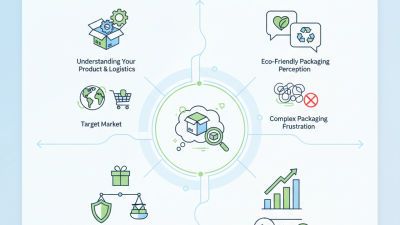
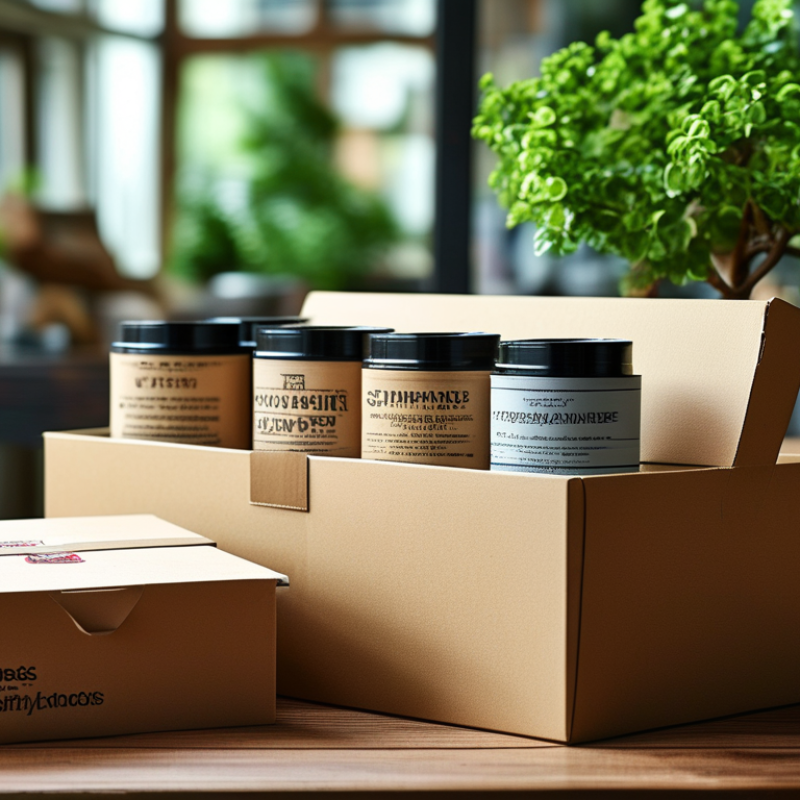
Quality packaging supplies are crucial for any business. They play a vital role in product presentation and protection. High-quality materials can enhance brand perception and improve customer satisfaction. Customers often associate well-packaged products with reliability and trustworthiness.
When investing in packaging, consider the function and aesthetics. A box that is sturdy yet attractive will capture attention. It protects items during transit, reducing the risk of damage. However, not all businesses prioritize this aspect. Some opt for cost-cutting measures, which can lead to negative consequences. An unappealing package can hurt first impressions.
Choosing the right packaging is about more than looks. It influences consumer behavior and repeat purchases. Brands that commit to quality often see improved loyalty. Poor packaging can frustrate customers, leading to lost sales and negative reviews. Reflecting on your packaging strategy can reveal areas for growth. Investing in quality packaging creates a better overall experience for customers.
Impact of Quality Packaging on Business Performance
The Impact of Packaging on Brand Image and Customer Perception
Packaging plays a crucial role in shaping a brand's image. It is often the first thing customers notice. A well-designed package grabs attention. It conveys quality and attracts buyers. Conversely, poor packaging can lead to negative perceptions. Customers may think the product inside is subpar. They often associate quality with the packaging.
Good packaging communicates your brand's values. It should reflect your mission and commitment to excellence. Sustainable materials, for instance, can show responsibility. Simple yet elegant designs can enhance a perception of sophistication. Details matter in creating a lasting impression.
However, many businesses overlook packaging's importance. They may prioritize cutting costs over quality. A cheap design might save money short-term. Yet, it can damage a brand's reputation long-term. Reflecting on packaging choices may lead to better outcomes. Investing time and resources can significantly impact customer perception. Making these decisions thoughtfully is key.
Cost-Effectiveness: Balancing Quality Packaging and Business Expenses
Investing in quality packaging supplies is crucial for businesses aiming to enhance their brand image while managing costs. According to industry reports, companies that prioritize quality packaging can see a return on investment of nearly 30%.
High-quality materials not only protect products but also improve customer perception. When consumers receive items in appealing packaging, they are more likely to become repeat buyers.
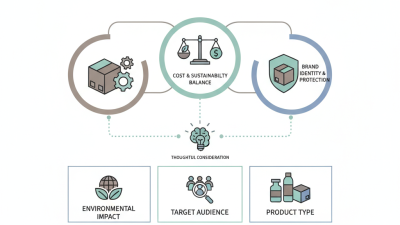
Balancing quality with expenses can be tricky. A recent survey revealed that 39% of businesses face challenges in finding cost-effective packaging solutions. It’s important to evaluate material options and supplier relationships for better deals.
For instance, switching to recyclable materials can reduce costs and appeal to environmentally conscious consumers. However, cheaper packaging might compromise product protection and brand integrity, leading to potential losses.
It's essential to weigh the trade-offs. Investing too little in packaging could damage products during shipping. On the other hand, overspending without understanding customer expectations can strain budgets.
Continual assessment of packaging costs versus benefits is key. Understanding market trends and consumer preferences can guide effective decisions in packaging investments.
Sustainability Trends in Packaging: Why It Matters for Your Brand
Sustainability in packaging is becoming a critical factor for brands today. According to a recent study, 73% of consumers are willing to pay more for sustainable packaging. This trend reflects a growing awareness about environmental issues. Companies must adapt to these preferences to stay relevant.
Choosing eco-friendly materials can impact your brand's image positively. A report by Nielsen states that brands with sustainable practices often see increased trust from consumers. This trust can lead to higher customer loyalty. However, many businesses still struggle with the transition to sustainable packaging. It requires investment, research, and a shift in production processes.
Implementing sustainable practices is not just about materials. Companies need to consider their entire supply chain. Transparency in sourcing and production is key. Yet, many firms find it challenging to maintain consistency. Environmental impacts vary greatly between materials and processes. Businesses should regularly evaluate their practices to ensure they align with sustainability goals. This ongoing reflection fosters growth and innovation.
Innovations in Packaging Technology and Their Benefits for Businesses
Innovations in packaging technology significantly enhance business operations. Current trends show that businesses investing in advanced packaging solutions can reduce costs by up to 30%. The use of smart packaging has surged, with a market value projected to reach $31 billion by 2024. This includes features like QR codes and temperature sensors, improving customer engagement and ensuring product quality.
Sustainable packaging options are also gaining momentum. A recent study revealed that 73% of consumers prefer brands that use environmentally friendly materials. By utilizing biodegradable or recyclable packaging, companies can reduce their carbon footprint and appeal to eco-conscious consumers. However, this transition can be challenging. Businesses must balance cost and sustainability.
Despite these benefits, not all innovations are perfect. Some packaging technologies may complicate distribution or increase production time. Companies should carefully evaluate their specific needs. Quality packaging solutions lead to better branding, reduced waste, and improved customer satisfaction. But continuous adaptation and innovation are necessary to keep pace with market demands.