Top 10 Best All Packaging Solutions for Global Buyers
The packaging industry has seen remarkable growth, with the global market expected to reach $1 trillion by 2024. This increase stems from rising demand across various sectors, including food and beverage, pharmaceuticals, and consumer goods. All packaging solutions play a crucial role in protecting products and enhancing brand visibility.
However, there remain significant challenges. Sustainable packaging presents a growing concern, as consumers demand eco-friendly options. According to a recent study by Smithers Pira, 54% of consumers prefer brands that focus on sustainability. This shift highlights the urgent need for innovative all packaging strategies that align with evolving consumer expectations.
Additionally, businesses must adapt to digital transformation. E-commerce has dramatically changed packaging requirements, increasing the need for protective and aesthetically pleasing designs. Brands must reconsider their packaging choices. They need to balance functionality with sustainability while keeping costs manageable. Achieving these goals is a continuous journey, necessitating ongoing improvement and reflection within the industry.
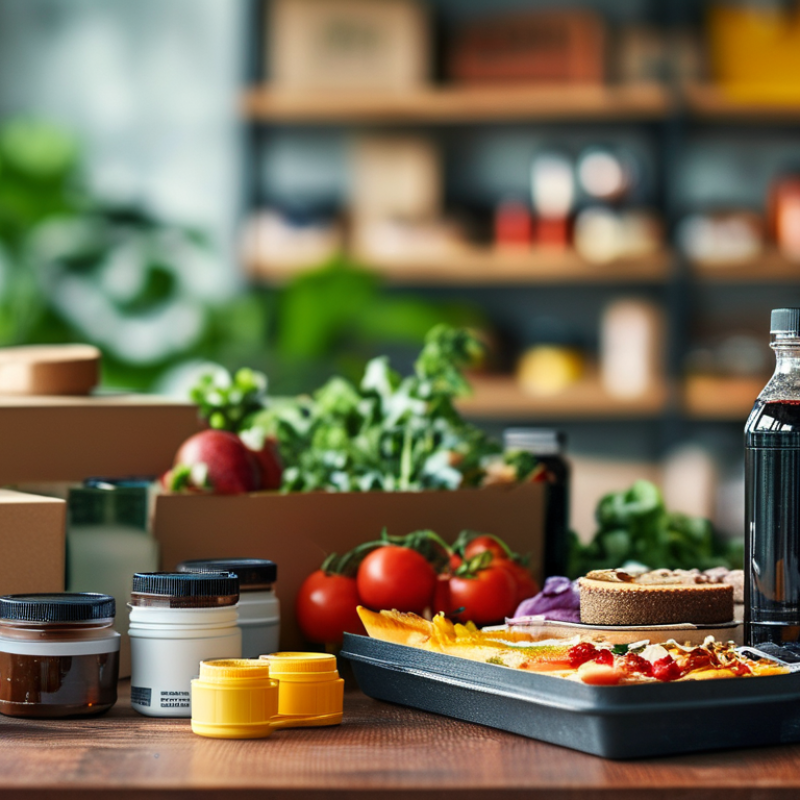
Overview of All Packaging Solutions for Global Buyers
In today's global marketplace, efficient packaging solutions are crucial for businesses. Packing not only protects products but also enhances brand image. Choosing the right packaging involves a deep understanding of materials, sustainability, and logistics. Many buyers tend to overlook the importance of biodegradable options. Understanding material durability and cost-effectiveness can save considerable expenses in the long run.
There are various packaging methods available. For example, flexible packaging is growing in popularity due to its adaptability. However, some may find it challenging to source high-quality flexible materials. Similarly, rigid boxes provide excellent protection but can increase shipping costs. It’s essential to weigh these factors carefully.
Investing time in research can elevate your packaging strategy. Many businesses fail to consider local regulations or market trends. This oversight can lead to delays or additional costs. Global buyers must stay informed on innovations in packaging technology. Engaging with experts can provide insights that improve decision-making. Exploring sustainable options can also enhance brand reputation, appealing to environmentally conscious consumers.
Criteria for Evaluating Packaging Solutions
When evaluating packaging solutions, several criteria come into play. Sustainability has become a significant factor. According to a recent industry report, 66% of consumers prefer brands that use sustainable packaging. This shift emphasizes the need for eco-friendly materials and recyclable designs. Packaging that reduces waste not only attracts consumers but also contributes to positive brand reputation.
Cost-effectiveness is another critical factor. Companies must balance quality with budget constraints. A study indicated that 30% of packaging costs can be mitigated through efficient design and material choice. This highlights the importance of innovative design processes. Companies are encouraged to consider both short-term costs and long-term savings when choosing packaging solutions.
Additionally, safety and compliance cannot be overlooked. Packaging must ensure product integrity while adhering to regulations. As regulations become more stringent, the complexity of compliance rises. According to a report by a leading industry association, non-compliance can lead to fines exceeding $50,000. Thus, selecting a packaging solution that meets safety criteria is essential for business longevity. As buyers evaluate options, they must also reflect on the trade-offs between these criteria.
Top 10 Packaging Solutions and Their Key Features
In today’s competitive market, the right packaging solution can significantly enhance a product's appeal. According to a report by Smithers Pira, the global packaging market was valued at approximately $917 billion in 2020, projected to reach $1.2 trillion by 2027. This rapid growth highlights the need for innovative packaging solutions that meet diverse buyer requirements.
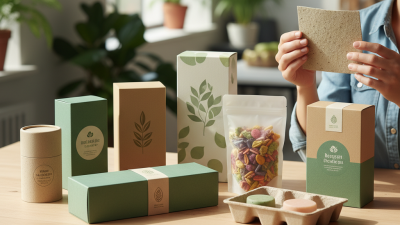
One key feature of modern packaging solutions is sustainability. Many consumers today prefer eco-friendly materials. A study by Packaging Industry Association revealed that 74% of consumers are willing to pay more for sustainable packaging. Biodegradable materials, like plant-based plastics, are increasingly popular. They not only reduce environmental impact but also align with consumer values. Companies are adapting to this shift, investing in research for sustainable alternatives.
Another critical aspect is the functionality of packaging. Smart packaging technology has gained traction. Features such as QR codes and temperature indicators improve user experience. For instance, intelligent packaging can inform consumers of product freshness. However, the integration of technology raises concerns about cost and complexity. Balancing innovation and practicality remains a challenge for many businesses in the packaging industry.
Top 10 Best All Packaging Solutions for Global Buyers
| Packaging Type |
Material |
Key Features |
Sustainability |
| Flexible Packaging |
Plastic Film |
Lightweight, Cost-effective, Customizable |
Recyclable options available |
| Rigid Packaging |
Glass, Plastic |
Durable, Reusable, High protection |
Can be made with recycled materials |
| Paper Packaging |
Paperboard, Corrugated |
Biodegradable, Lightweight, Versatile |
100% recyclable |
| Metal Packaging |
Aluminum, Steel |
Strong, Long shelf life, Good barrier properties |
Recyclable |
| Biodegradable Packaging |
PLA, Starch-based |
Compostable, Lightweight, Reduces waste |
Fully compostable |
| Wood Packaging |
Wood |
Natural look, Sturdy, Great for transport |
Sustainable resources used |
| Shrink Wrap |
Polyolefin |
Tight fit, Protection from dust and moisture |
Recyclable materials |
| Bubble Wrap |
Plastic |
Shock absorbent, Lightweight |
Some recyclable options |
| Pallets & Crates |
Wood, Plastic, Metal |
Reusable, Stackable, Efficient transport |
Can be made from recycled materials |
| Tamper-Evident Packaging |
Plastic, Paper |
Increases security, Enhances product integrity |
Recyclable options available |
Case Studies of Successful Packaging Implementations
Successful packaging implementations often stem from thoughtful strategies and real case studies. Companies across various industries have enhanced their efficiency through innovative packaging. One company, for instance, streamlined its supply chain by adopting eco-friendly materials. This not only reduced costs but also improved brand perception. The transition, though beneficial, faced challenges. The team had to educate suppliers about new materials.
In another case, a brand revamped its entire packaging design based on consumer feedback. The original design was functional but lacked appeal. After thorough testing, a more engaging design was developed. This change attracted a younger audience and boosted sales significantly. However, they realized that ongoing consumer engagement is key. Staying adaptable is crucial.
When considering packaging solutions, aim for sustainability. Research different materials and their life cycles. Engaging with consumers can unveil preferences that matter most. Also, evaluate the impact of your packaging on distribution costs. Efficient packaging can lead to better shipping rates. Balancing aesthetics and practicality is vital for success.
Future Trends in Packaging Solutions for Global Markets
Packaging is evolving rapidly, driven by sustainability and technological advancements. According to a recent report by Smithers Pira, the global market for sustainable packaging is projected to reach $500 billion by 2028. This is a significant increase, reflecting growing consumer demand for eco-friendly options. Brands seek solutions that minimize environmental impact while maintaining product integrity.
Innovations such as biodegradable materials and smart packaging are becoming mainstream. Smart packaging uses sensors to monitor freshness and enhance user experience. Meanwhile, biodegradable materials, derived from natural sources, are gaining traction. Reports indicate that the biodegradable packaging sector alone is expected to grow at a CAGR of 14% from 2021 to 2026. This shift highlights a critical reflection on traditional packaging methods, as they face scrutiny over waste generation.
Challenges remain in ensuring that these new solutions meet industry standards. Not all biodegradable options decompose effectively in various environments. Companies must navigate regulations that differ between regions. The balance between innovation and practicality is vital. As global markets evolve, ongoing research and development will play a crucial role in addressing these concerns and driving the future of packaging.