Why Choose an Automatic Food Packaging Machine?
Choosing the right food packaging machine can change how a production line performs every day. In busy facilities, operators often face uneven filling, loose seals, product waste, and tiring repetitive work. An automated system can control measured portions, sealing pressure, film movement, and package timing with greater consistency. That consistency matters when customers expect identical packs on every shelf.
From practical packaging experience, automation is most valuable when the machine matches the product. Powder, liquid, frozen food, and delicate snacks require different feeding and sealing methods. A reliable supplier should explain these differences clearly. They should also provide demonstrations, maintenance guidance, safety training, and documented performance information. Do not choose from speed alone. A faster machine may create more waste if changeovers are difficult or cleaning takes too long.
Hygiene is essential. Stainless-steel contact parts, accessible surfaces, and clear cleaning procedures support safer daily operations. Sensors can detect missing film, incorrect seals, or empty product flow before problems spread. Useful data can also improve traceability and maintenance planning. Still, automation is not magic. It requires trained staff, regular inspections, suitable materials, and realistic production targets.
The best decision comes from observing the entire workflow. Consider labor conditions, floor space, energy use, packaging formats, and future product changes. Ask for trial runs with your own materials. A machine that performs well in a showroom may behave differently on a real production line. Careful evaluation can reduce avoidable costs and help the food packaging machine deliver dependable value over time.
What Is an Automatic Food Packaging Machine?
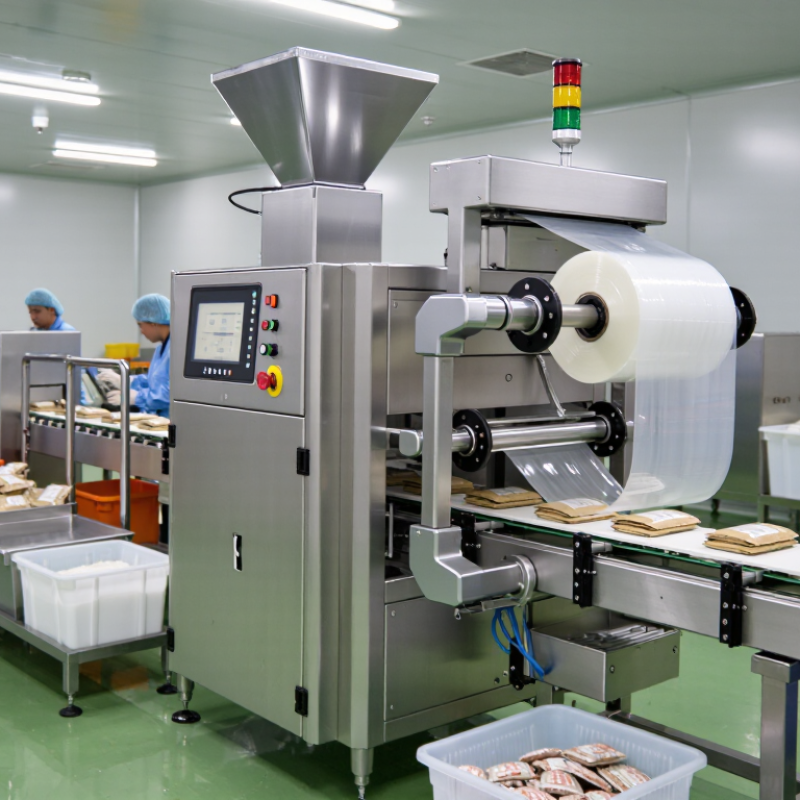
An automatic food packaging machine is equipment that prepares, fills, seals, and labels food packages with limited manual handling. It can process pouches, trays, bottles, or cartons, depending on its design. Sensors check product position, package movement, and sealing conditions during operation. A control system coordinates these steps at a steady speed.
In a working line, the operator loads packaging material and sets suitable parameters. The machine may measure rice, snacks, frozen vegetables, or other foods before filling each package. It then forms or closes the package and applies heat, pressure, or another approved sealing method. A date coder can mark production information clearly. Small details matter. A loose seal can affect freshness and create unnecessary waste.
Automatic does not mean maintenance-free. Product size, moisture, temperature, and film quality can change performance. Operators should inspect seals, clean contact surfaces, and verify sensor readings regularly. A rushed setup may cause crooked labels or underfilled packages. That part is easy to underestimate. Practical testing with real food products helps confirm accuracy before full production begins. The best machine is not always the fastest one; it should match the product, package format, hygiene needs, and available labor. Some adjustments still require judgment, especially when food pieces vary in shape or weight.
How Does an Automatic Food Packaging Machine Work?
An automatic food packaging machine turns loose product into measured, sealed packs through a controlled sequence. Product enters a hopper, where an auger, cup system, or weigh filler portions it. Sensors monitor product level and film position. A programmable controller compares each reading with preset targets. When the film reaches the forming collar, rollers shape it around the product tube. The machine then creates a vertical or horizontal seal. Timing matters. If film tension changes, wrinkles can appear near the seal.
After filling, cutting jaws separate each package at set lengths. Date and batch information may be printed during the same cycle. Some lines add metal detection, checkweighing, or vision inspection. These devices help operators identify underweight packs, open seals, or misplaced labels. They do not replace careful setup. An operator still checks temperature, pressure, film alignment, and product flow. Small errors spread. A slightly uneven fill can cause weak seals or unstable packs.
From practical testing, changeovers often require more attention than normal running. Different foods behave differently. Powder may bridge in the hopper, while sticky pieces can delay release. Cleaning access also matters, especially around product-contact surfaces and corners. A reliable process uses documented settings, calibrated scales, food-safe materials, and routine seal tests. Yet automation is not flawless. Dust, vibration, and worn belts can confuse sensors. I would leave time for manual inspection, because a perfect display does not guarantee a perfect package. Reviewing rejected packs often reveals problems the control screen misses.
What Benefits Does Automated Food Packaging Provide?
Why Choose an Automatic Food Packaging Machine?
Automated food packaging improves speed, consistency, and process visibility. A sensor checks each pouch before sealing. A servo-driven system then controls film movement with repeatable accuracy. This reduces overfilling, weak seals, and avoidable product exposure. It also helps operators manage repetitive work more safely.
The numbers matter. The United Nations Environment Programme’s 2024 Food Waste Index estimates that 1.05 billion tonnes of food were wasted in 2022. Better packaging cannot solve waste alone, but accurate filling and reliable sealing can protect quality during handling. The International Federation of Robotics reported 541,302 industrial robots installed worldwide in 2023. This shows how automation is becoming a practical production tool, not a futuristic concept. PMMI industry research also identifies labor availability, uptime, and flexible production as major packaging priorities.
Automation is not magic. A poorly calibrated sensor can reject good products or miss a damaged seal. Regular cleaning, inspection, and staff training remain essential. The best results usually come from matching machine speed with product texture, package size, and line layout. A fast system may still create waste if changeovers are slow. Operators should track giveaway, downtime, seal failures, and cleaning hours before judging performance. The honest measure is simple: more consistent packs, fewer interruptions, and safer handling without hiding new maintenance demands.
Why Choose an Automatic Food Packaging Machine?
Automated packaging can increase output, reduce direct labor requirements, and improve filling consistency. The chart shows representative food-packaging line benchmarks; actual performance depends on the product, package format, and machine configuration.
Benchmark basis: typical engineering ranges for food packaging operations. Manual throughput and labor vary significantly by product and process.
What Industries Use Automatic Food Packaging Machines?
Why Choose an Automatic Food Packaging Machine?
What Industries Use Automatic Food Packaging Machines?
Automatic food packaging machines serve many industries with demanding production schedules. Food processing plants use them for weighing, filling, sealing, and labeling products. Bakeries package bread, pastries, cookies, and sliced cakes with controlled speed. Snack producers rely on accurate filling for chips, nuts, and dried fruit.
Meat, seafood, and dairy facilities also use automated systems. These machines can handle trays, pouches, cups, and vacuum bags. Ready-meal manufacturers benefit from consistent portion control and cleaner workflows. Fresh produce companies use them for salads, berries, vegetables, and prepared fruit. In my experience, stable machine settings can reduce messy seals and uneven package weights. However, automation is not a universal answer. A machine matched poorly to a product may create waste, downtime, or damaged food.
Tips: Check product size, moisture, temperature, and packaging material before choosing equipment. Ask operators to test real products, not samples alone. Review cleaning access, changeover time, and maintenance training. Small details matter.
Pharmaceutical and nutritional food operations may also use food-grade packaging systems when their products require careful handling. Reliable equipment should support traceability, repeatable results, and clear quality checks. Operators still need judgment. Machines can detect many problems, but not every problem. A practical trial often reveals weaknesses that brochures do not show.