10 Tips for Choosing Automated Packaging Equipment

Choosing automated packaging equipment is no longer a simple comparison of speed, price, and brand reputation. It is a production decision with long consequences. PMMI’s 2023 State of the Industry report projected continued growth in U.S. packaging machinery shipments, driven by labor shortages, e-commerce, and changing package formats. Smithers also forecasts sustained global demand for packaging machinery through the decade. The numbers look encouraging. They do not remove the need for careful judgment.

Sean Riley, senior director of media and industry communications at PMMI, has emphasized that automation should help people work smarter, not simply replace them. That principle matters beside a real conveyor. A machine may handle 120 cartons per minute, yet poor changeover design can waste an entire shift. Operators may also struggle with screens, sensors, cleaning routines, or unclear alarms. Fast is not always useful.

This guide presents 10 practical tips for selecting automated packaging equipment. It considers product characteristics, line integration, hygiene, safety, maintenance, data access, and future capacity. Experience matters here. A compact machine that fits today’s floor plan may become a bottleneck after one new product launch. Energy use and spare-parts availability deserve attention too. Some supplier promises sound impressive but remain difficult to verify. That is an uncomfortable truth.

The right decision begins with measured production data, not a glossy demonstration. Readers should compare total ownership costs, test actual products, and involve operators early. Careful planning may feel slower. It usually prevents expensive surprises.
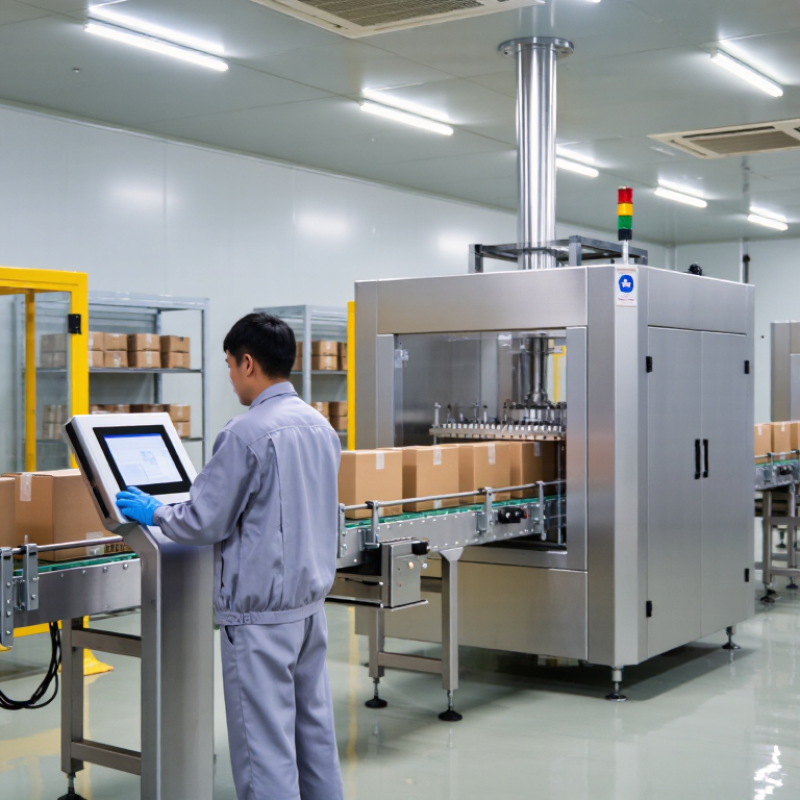
10 Tips for Choosing Automated Packaging Equipment

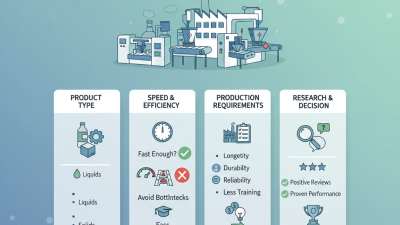
Define Packaging Goals and Production Requirements

10 Tips for Choosing Automated Packaging Equipment

Define Packaging Goals and Production Requirements

Before comparing equipment, describe the packaging job in measurable terms. Record daily output, peak demand, product dimensions, package weight, and acceptable defect rates. A line designed for 30 packs per minute may struggle during seasonal orders. That gap becomes expensive.

Walk through the production area with operators. Note available floor space, power supply, air pressure, cleaning routines, and material storage. Check how often products change. Frequent changeovers require accessible controls and simple adjustments. Small details matter. A ten-minute delay, repeated twelve times daily, can remove hours of capacity each week.

Use real production data, not hopeful estimates. Our first throughput forecast was too optimistic because it ignored inspection and material loading time. That mistake changed the equipment requirements. Test sample products with different films, cartons, or labels before approving a machine. Measure sealing strength, alignment, waste, and operator effort. Ask whether the equipment protects product quality during normal interruptions. Also define future needs, but do not overbuild without evidence. Extra capacity sounds safe, yet unused features increase training, maintenance, and purchase costs. Clear goals help suppliers propose suitable systems and let your team verify performance with practical acceptance tests.

Assess Product Characteristics and Packaging Compatibility

Product characteristics should drive equipment selection, not the other way around. A soft pouch, dusty powder, and fragile biscuit need different feeding and sealing methods. Measure density, moisture, temperature, particle size, and surface friction before requesting quotations. Small details matter. A sticky sauce may bridge inside a hopper, while oily products can weaken seals.

Packaging compatibility deserves equal attention. Check film structure, tray rigidity, pouch dimensions, closure type, and allowable seal temperature. PMMI’s 2024 Packaging Machinery Shipments Study reported continued investment in automated systems, but higher automation does not correct poor material matching. In practice, operators should test real products with production-intent packaging. Laboratory samples can behave too perfectly. That is often the problem.

The Smithers report, The Future of Sustainable Packaging to 2028, identifies material reduction and recyclable structures as major market priorities. These materials may require narrower temperature windows or different sealing pressure. Ask suppliers for measurable results, including seal strength, leak rates, changeover time, and reject percentages. Test dusty products after several hours, not only during a short demonstration. Also examine product damage at conveyors, fillers, and transfer points. A faster line is not better if it bruises products or creates unstable packs. My caution is simple: compatibility decisions are sometimes made from brochures, when they should come from repeated trials, recorded failures, and honest review.

10 Tips for Choosing Automated Packaging Equipment

Assess Product Characteristics and Packaging Compatibility

Product flowability, particle-size consistency, moisture and oxygen sensitivity, bulk-density variation, fragility, and temperature sensitivity are key factors when selecting automated packaging equipment. Prioritizing these measurable characteristics helps match the product with suitable dosing, conveying, filling, sealing, and handling systems.

Compare Automation Levels, Equipment Types, and Features

Choosing automated packaging equipment starts with comparing automation levels, not chasing the most sophisticated machine. Manual systems suit changing products and low volumes, while semi-automatic equipment can reduce repetitive lifting and sealing work. Fully automatic lines improve consistency, but they need stable materials, trained technicians, and reliable upstream feeding. A fully automated line is not automatically better. According to Deloitte’s 2023 Smart Manufacturing Survey, 86% of manufacturing leaders expect smart factory initiatives to remain important for competitiveness. That expectation should still be tested against your daily production data.

Match the equipment type to the package and bottleneck. Vertical form-fill-seal machines fit many granular or powdered products, while cartoners and case packers support boxed goods. Palletizers can remove heavy, repetitive handling from the final stage. Look for tool-free changeovers, recipe control, vision inspection, guarded access, and clear fault messages. The International Federation of Robotics reported 541,302 industrial robots were installed globally in 2023, showing strong automation adoption, but installation numbers do not reveal whether a system fits your facility. Measure actual cycle speed, reject rates, changeover minutes, and floor space before buying.

Small details matter. A sensor that misses a glossy pouch can stop a line repeatedly. A narrow access door can turn simple cleaning into lost hours. I would request a live trial using your materials, including the awkward ones. My first equipment shortlist is rarely perfect. Review maintenance skills, spare-part access, data compatibility, and worker training again before approval. A cheaper machine may cost more when every format change requires specialist support.

Evaluate Safety, Maintenance, Integration, and Operator Training

10 Tips for Choosing Automated Packaging Equipment

Tip 1: Inspect guards, emergency stops, sensors, and access doors before comparing output rates.

Tip 2: Ask whether operators can clear a jam without reaching into moving parts.

Tip 3: Request documented risk assessments and practical safety testing. A polished demonstration proves little.

Tip 4: Examine cleaning points, lubrication access, and removable contact parts.

Tip 5: Check maintenance intervals and spare-part availability.

Tip 6: Watch a technician replace a worn belt or sensor. Their movements should be simple, safe, and clearly documented. I once underestimated access space around a machine. That mistake made routine maintenance slower than expected.

Tip 7: Confirm the equipment can exchange reliable signals with conveyors, inspection devices, and production software.

Tip 8: Test product changeovers using your actual packages, not sample cartons. Check timing, dimensions, sealing surfaces, and reject handling. Integration problems often appear at handoff points. Leave room for imperfect data.

Tip 9: Evaluate operator training through hands-on trials, fault simulations, and written procedures. New staff should practice stopping, restarting, cleaning, and reporting faults.

Tip 10: Ask how competence will be verified after installation. A short classroom session may not be enough. Observe operators during a busy shift. Their confidence, posture, and response time reveal more than a presentation. Consider language, turnover, and different learning speeds. Training plans should adapt.

Calculate Total Cost, Scalability, and Long-Term Value

10 Tips for Choosing Automated Packaging Equipment

Calculate total cost before comparing purchase prices. Include tooling, installation, training, software, utilities, spare parts, validation, and scheduled downtime. A machine priced 20% lower may cost more after five years. McKinsey reports that maintenance can represent 15% to 40% of manufacturing operating costs, depending on asset complexity. Request a five-year ownership model from each supplier. Check energy use per packaged unit. Measure changeover minutes, reject rates, labor requirements, and service response times. These details often decide the real payback.

Scalability matters when demand changes. Choose equipment with adjustable formats, modular stations, and spare capacity. Do not pay for unused speed. The International Federation of Robotics recorded 541,302 industrial robot installations worldwide in 2023, showing continued investment in flexible automation. Still, automation is not automatically efficient. Poor infeed control can leave an expensive machine waiting beside a full conveyor. Test products, packaging materials, and future formats during a site trial. Ask whether operators can adjust recipes without specialist support. Also review data access, cybersecurity controls, integration costs, and training time.

Be realistic about your assumptions. Forecasts can be wrong. A seasonal product may never justify maximum throughput. Calculate payback under low, expected, and high demand scenarios. Deloitte’s 2024 Smart Manufacturing and Operations Survey found that 86% of surveyed manufacturers viewed smart manufacturing as important for competitiveness. That does not guarantee value for every line. Document acceptance criteria, uptime targets, and ownership of performance improvements before signing. Leave room for maintenance access. It is easy to forget.