Why Choose Sustainable Packaging Solutions?
Packaging solutions now influence more than appearance, shelf appeal, and shipping convenience. They affect material use, transport weight, product protection, and disposal outcomes. A well-designed package can reduce unnecessary layers without risking damage during delivery. That balance requires evidence, not attractive claims.
In practical warehouse trials, small design changes can create visible results. A lighter carton may reduce pallet weight and fuel demand. A right-sized box can limit empty space and cushioning materials. Recycled paper, certified fibers, reusable containers, and carefully selected bioplastics each offer different benefits. None is perfect. Material performance, local recycling systems, moisture exposure, and production energy must be assessed together. Life-cycle analysis helps teams compare these factors more honestly. Supplier declarations, recognized certifications, and independent testing can also strengthen reliability.
The decision should begin with the product and its real journey. A glass jar needs different protection from a clothing item. A chilled food package faces stricter moisture and safety demands. Choosing a material only because it sounds green can create new problems. That is an uncomfortable lesson. Sustainable packaging also requires practical measurement after launch. Companies can track damage rates, material weight, recycled content, customer feedback, and recovery options. Expert packaging engineers and responsible suppliers can guide this process. Progress may be gradual, but transparent improvements build trust. The strongest packaging solutions protect products, respect resources, and acknowledge their remaining limitations.
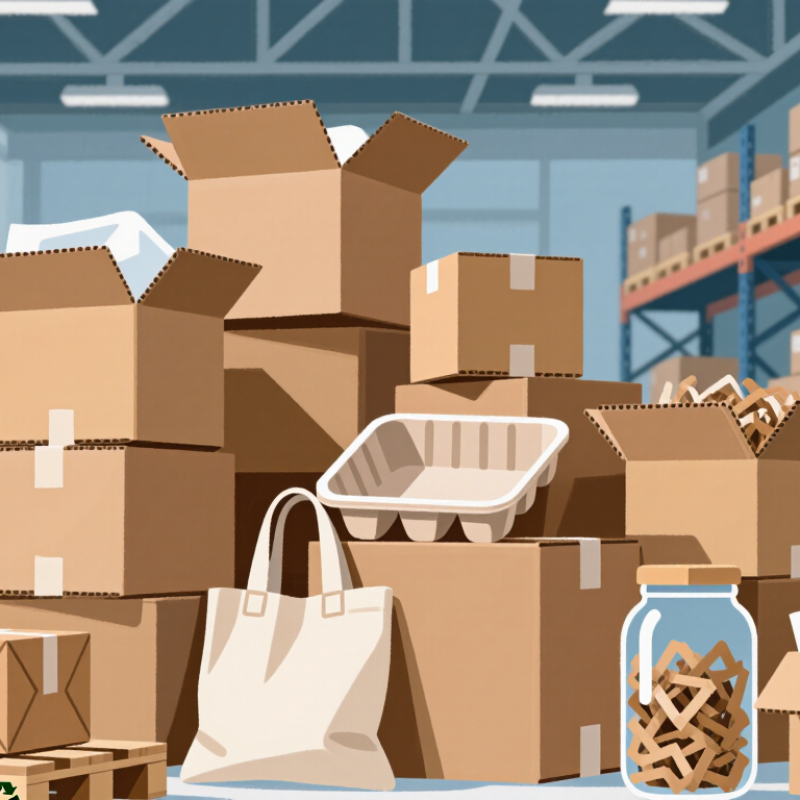
Sustainable packaging begins with choosing materials that fit the product and its real journey. Recycled paper can work well for dry goods, especially when the package stays clean and dry. For heavier items, strong corrugated fiber may reduce damage during transport. Some products need moisture protection, but plastic coatings can complicate recycling. Bio-based materials are not automatically sustainable. Their benefits depend on sourcing, production, and local disposal systems. Material claims need evidence. Testing matters.
Design affects environmental impact before production begins. A right-sized box uses less material and leaves less empty space in delivery vehicles. Lightweight structures can lower transport emissions, but they must still protect the contents. Easy-to-open packs improve daily use. Clear disposal instructions reduce consumer confusion. Avoiding unnecessary layers also helps sorting facilities. In real projects, the smallest package is not always the best package. A damaged product creates waste too. That trade-off deserves honest review.
Circularity asks what happens after use. Can people collect the package easily? Can local facilities sort and process it? Packaging made from one compatible material often has a clearer recycling path. Reusable containers may work for nearby delivery systems with reliable return points. They need enough reuse cycles to justify washing and transport. We should measure those cycles, not assume them. It is not perfect. Local infrastructure changes the answer. A responsible packaging decision combines material data, practical testing, and feedback from people who handle the package every day.
Plastic waste is not only a household problem. The OECD reports that packaging generates about 40% of global plastic waste. That figure changes how we should view a shipping box, food tray, or protective film. Each item has a short working life. Its material may remain for decades. Practical packaging audits often reveal the easiest waste to overlook: thin liners, labels, and oversized void fill.
Sustainable packaging matters because design decisions affect waste before disposal begins. A right-sized carton needs less material and reduces transport volume. Reusable containers can help when collection and cleaning systems are dependable. Recyclable materials are not automatically recycled; local facilities, sorting rules, and contamination decide the outcome. This is where many claims become too optimistic. “Eco-friendly” sounds reassuring, but it can hide weak evidence. Better assessments measure material weight, recycled content, durability, recovery rates, and lifecycle impacts.
Companies should test packages under real conditions: moisture, stacking, drops, and repeated handling. A lighter package that fails can create damaged goods and extra waste. Small trials expose these flaws early. Consumers need clear disposal instructions, not vague symbols. Some choices still involve trade-offs, and no package has a perfect answer. Some lower-impact options cost more or need better infrastructure. Transparent data and measurable targets make packaging choices more credible. The 40% figure is a design warning, not just a statistic.
Circularity Evidence:
Only 9% of Global Plastic Waste Is Recycled (OECD)
Plastic packaging looks convenient, yet its end-of-life story is often weak. The OECD’s Global Plastics Outlook reports that only 9% of global plastic waste was recycled in 2019. The rest was mainly landfilled, incinerated, or mismanaged. This figure is not a minor gap. It is a circularity warning. Packaging designed for one short use can remain in the environment for decades. Recycling also depends on collection, sorting, clean materials, and stable markets. A recycling symbol cannot guarantee these conditions.
Sustainable packaging should be judged across its full life cycle. The United Nations Environment Programme’s Turning off the Tap report, published in 2023, finds that plastic pollution could be reduced by 80% by 2040. Reuse, recycling, and redesigned products are central to that pathway. Material reduction matters too. Less packaging means less waste to manage. In professional packaging reviews, I would ask whether a package uses fewer layers and fits local recovery systems. These details are practical. They are not glamorous. One imperfect point remains: recycled content can increase demand, but it cannot fix collection failures or excessive consumption.
Tips: Start with reduction, then test reuse or refill models. Choose materials that local facilities can actually sort. Request evidence for recycled-content claims. Measure packaging weight, recovery rates, and disposal pathways. Avoid vague words such as “green” or “eco-friendly.” A simple package is not always circular. Check the data.
Why Choose Sustainable Packaging Solutions?
Regulatory pressure is reshaping packaging decisions across Europe. Eurostat reported 186.5 kilograms of packaging waste per person in the EU in 2022. That figure turns an abstract policy issue into a household reality. Imagine a kitchen bin filled with delivery boxes, plastic films, trays, and labels. The volume is difficult to ignore.
For manufacturers and retailers, sustainable packaging can reduce material use and improve compliance planning. Lightweight designs may lower transport emissions and shipping costs. Recyclable paper, reusable containers, and mono-material structures can simplify sorting. However, recyclability depends on local collection systems. A package accepted in one region may be rejected elsewhere. That detail is often overlooked.
Practical experience matters. Packaging teams should test strength, moisture resistance, shelf life, and customer handling before changing materials. A thinner box is not sustainable if it fails during delivery. More waste can result. Cost also deserves honest attention, because certified materials and redesigned equipment may require investment. No solution is perfect. Teams should measure material weight, recycled content, recovery rates, and product damage over time. Clear supplier documentation and reliable lifecycle data support better decisions than attractive environmental claims. One packaging trial may reveal unexpected problems, and that is useful evidence for the next design.
| Indicator | EU Value | Year | Why It Matters |
|---|---|---|---|
| Packaging waste generated per person | 186.5 kg per inhabitant | 2022 | Shows the scale of material use and the need to reduce unnecessary packaging. |
| Increase in packaging waste since 2012 | +36.1 kg per inhabitant | 2012–2022 | Indicates continued growth in packaging consumption over the decade. |
| Packaging waste recycled | 80.4 kg per inhabitant | 2022 | Recycling capacity must keep pace with rising packaging volumes. |
| Plastic packaging waste generated | 36.1 kg per inhabitant | 2022 | Plastic packaging remains a key area for material reduction and redesign. |
| EU packaging recycling target | At least 65% by weight | 2025 target | Packaging placed on the EU market must support higher recycling performance. |
| EU packaging recycling target | At least 70% by weight | 2030 target | Long-term compliance requires packaging designed for efficient collection and recycling. |
| Plastic packaging recycling target | At least 50% by weight in 2025; 55% by 2030 | 2025 and 2030 | Encourages lower plastic use, recyclable formats and recycled-content strategies. |
| Packaging design response | Reduce, reuse and recycle | Ongoing | Sustainable solutions can reduce material consumption, improve recyclability and support regulatory readiness. |
Sources: Eurostat, “Packaging waste statistics” (2022 data); European Commission, Directive 94/62/EC on packaging and packaging waste.
A widely cited consumer study found that 71% of shoppers would pay more for sustainable products. That figure changes how businesses evaluate packaging decisions. Customers increasingly notice recycled fibers, lighter materials, and clear disposal instructions. They may accept a higher price when environmental benefits feel visible and credible. A package that arrives with less empty space also reduces frustration at home.
In practical testing, packaging performance still matters as much as environmental claims. Boxes must survive stacking, moisture, transport, and repeated handling. A damaged product can erase the value of a greener material. Teams should measure material weight, protective strength, recyclability, and return rates before making large changes. Supplier documentation and independent testing can strengthen these decisions.
The 71% figure is useful, but it needs careful interpretation. Stated willingness to pay does not always become a completed purchase. Household budgets, convenience, and local recycling access influence real behavior. Some sustainable options also require new equipment or higher production costs. That tension deserves honest communication, not polished promises. A better approach may begin with one product line, measured customer feedback, and transparent improvement when results fall short.