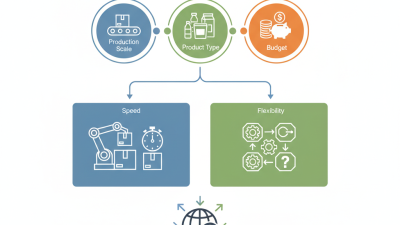
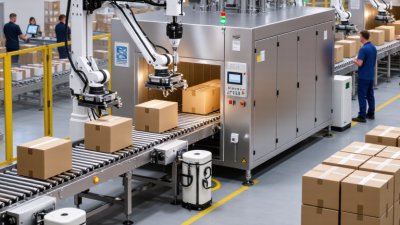
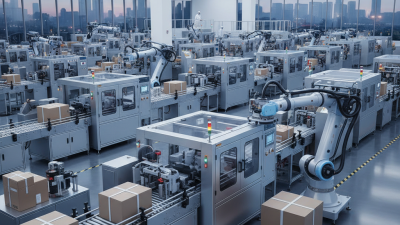
Choosing the right case packer can shape a packaging line’s speed, footprint, and product handling. Yet “top” does not mean one machine suits every plant. Carton dimensions, product fragility, changeover frequency, and available floor space all affect the choice. A machine that performs well with sturdy bottles may not handle soft pouches as gently.
This overview compares common case packer types, including top-load, side-load, wraparound, drop-style, and robotic systems. Each uses a different method to group products and place them into cases. For example, a top-load machine lowers products into an open case, while a wraparound system forms a blank around the product group. Those differences influence how easily a line manages varied formats. Small details matter.
The article also considers practical factors such as operating speed, changeover needs, integration with conveyors, and access for cleaning and maintenance. These points can help manufacturers narrow their options before requesting equipment proposals. Real production conditions still deserve a close look. A product trial, accurate case samples, and clear throughput data often reveal issues that a specification sheet cannot. Even a careful comparison can miss something; requirements change, and the best choice may be less obvious than expected. The goal is a useful starting point, not a one-size-fits-all answer.
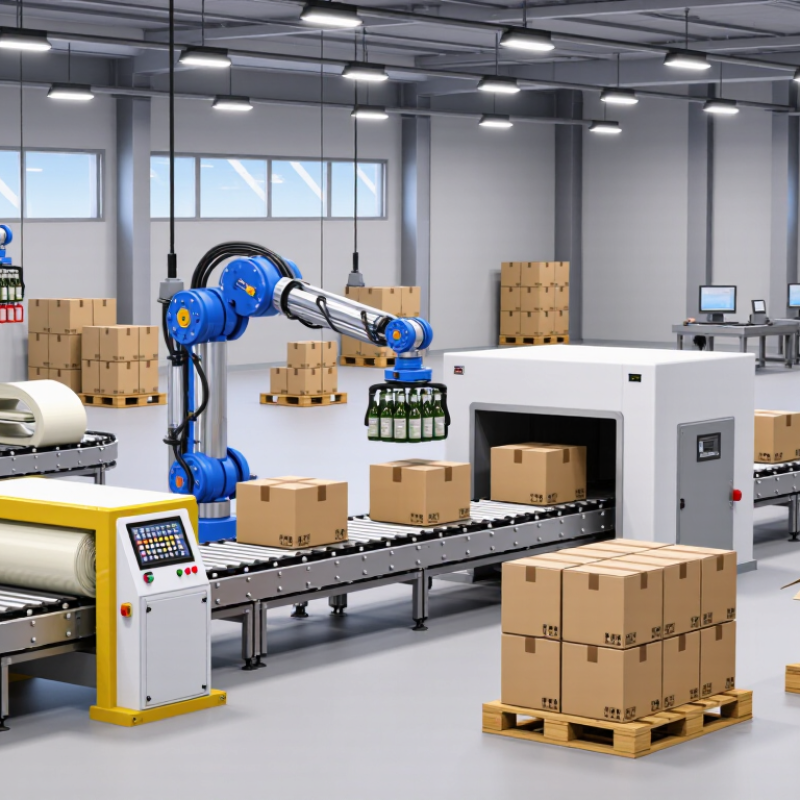
Case packers are commonly classified by how products enter the case: from above, from the side, or through an open end. The right loading method depends on product shape, case design, and how items arrive on the production line. These details matter more than a machine’s label.
Top-load packers place products into an open case from above, often using a pick-and-place mechanism. They suit mixed patterns or fragile items that need controlled placement. Side-load packers group products and push them horizontally into a case. They can work well for cartons, pouches, and other regularly arranged products. End-load systems also feed products horizontally, typically through a case opening, while wraparound systems fold a flat blank around a grouped load. A neat diagram can make these options seem interchangeable. On a real line, small differences in product stability can change the choice.
Tips: Watch a full production cycle before selecting a loading method. Check whether products tip, cases hold their shape, and operators can clear jams safely. Test actual packages, not just samples that look similar. That detail is easy to miss. A short trial may also reveal awkward changeovers or patterns that need adjustment.
Top-load case packers place products into cases from above, using a guided drop or a pick-and-place motion. They are common in food, beverage, personal-care, and household-goods packaging, where products arrive in steady rows on a conveyor. Think of jars grouped in a pattern, cartons aligned side by side, or sealed pouches gathered into a case. The loading method can help keep those groups organized.
The right setup depends on the product, not just the case size. Bottles and tubs may need gentle handling to avoid tipping or scuffing. Cartons often need accurate positioning so the case closes cleanly. A robotic head can handle varied patterns, while a mechanical loader may suit a consistent, high-volume format. Changeovers matter. If package sizes shift often, adjustment time can become a real production cost.
Top-load systems also fit lines where cases are formed below or beside the loading area, helping make use of limited floor space. Still, a tidy machine layout does not guarantee smooth packing. Product spacing, case stiffness, and conveyor timing all affect performance. It is easy to overlook a pouch that bends or a bottle that arrives slightly off-center. Small details. Testing with actual products and cases can reveal problems before installation, though production conditions may still expose surprises.
| Top-Load Type | How It Works | Common Case or Pack Style | Typical Applications | Key Considerations |
|---|---|---|---|---|
| Robotic pick-and-place | A robot picks products individually or in grouped layers and places them into an open case from above. | Regular slotted cases, trays, and other open-top corrugated cases; products may be arranged in single or multiple layers. | Bottles, cartons, pouches, tubs, and mixed product patterns in food, beverage, personal care, and household-goods lines. | Offers flexibility for changing patterns and product formats. Product gripping, orientation, and case presentation must be suited to the items being packed. |
| Gantry or Cartesian pick-and-place | A product-handling head moves along fixed linear axes to transfer products or groups into cases from above. | Open-top corrugated cases and trays, often with repeatable row-and-column pack patterns. | Regularly shaped cartons, tubs, cans, and other products that can be consistently grouped and positioned. | Useful for repeatable movements and straightforward layouts. The product pattern and format range should be considered when specifying the system. |
| Collating and drop-style top loader | Products are counted and grouped into a pack pattern, then lowered or released into an open case from above. | Cases or trays with a defined pack count and organized product arrangement. | Uniform cartons, containers, and other products that can be accumulated into stable groups before loading. | Works best when products feed consistently and tolerate grouping and controlled placement. Fragile or unstable items may need gentler handling. |
| Layer-loading top loader | A complete layer of products is formed and transferred into the case; additional layers can be loaded to build the pack. | Large-count cases, multi-layer packs, and cases using dividers or partitions where required. | Cans, bottles, cartons, and other products that can be arranged into stable layers for transport. | Layer formation, pack stability, and case dimensions are important. Dividers may be used when products need separation or added support. |
| Partitioned-case top loader | Products are placed from above into individual cells formed by partitions inside the case. | Corrugated cases fitted with partitions or cell dividers. | Glass bottles, jars, and other items that need separation to reduce contact during handling and shipment. | Partition setup must match the product count and layout. The loading sequence needs to keep products and dividers correctly aligned. |
Selection note: The best configuration depends on product shape and fragility, required pack pattern, case style, changeover needs, and the production line’s required output. Actual throughput varies by product, pack arrangement, and machine setup.
Side-load and end-load case packers solve the same basic task in different ways. A side-load machine places products into a case through its open side, often using a compact, continuous motion. It can suit steady production of repeated pack patterns, such as rows of cartons entering a case together. Operators should check changeover needs carefully; a format that works well for one product may take extra adjustment for another.
An end-load case packer loads products through the case’s open end. This arrangement can handle varied product shapes and pack patterns, depending on the machine design. It may also make product placement easier to observe during setup. The trade-off is that the case and product flow must stay aligned. Even a small misfeed can interrupt the cycle. In practice, neither style is automatically better. Line speed, available floor space, case dimensions, and how often products change all matter. A machine can look ideal on paper, then prove awkward beside a real conveyor.
Tips: Test with your actual cases and products, not samples with different dimensions. Watch a full changeover, including jam access and operator reach. Ask how the system handles a partly filled case. Small details matter.
Wrap-around and drop-style case packers solve different problems on a packaging line. A wrap-around machine folds a flat corrugated blank around grouped products, then seals the case. It can reduce the need to handle pre-formed cartons and create a snug pack. Picture bottles arriving in a steady group: guides align them while the blank folds around their sides. Changeovers still need careful adjustment. A small error can leave loose corners or uneven seals.
A drop-style packer places products into an already erected case, often lowering them from above. This suits stable, pre-grouped items and cases that need a defined internal arrangement. Product shape matters: tall cartons may tip if guides or drop height are poorly set. MHI’s 2024 Annual Industry Report found that 55% of surveyed supply-chain leaders were increasing technology investment, a signal of broader interest in automation—not proof that one case-packer type fits every line. Compare that trend with real production data: case size, product fragility, changeover frequency, and operator access. Watch the line during a changeover. It can reveal the weak point.
Robotic case packers use articulated or delta robots to place products into cases, often with vision systems and interchangeable grippers. Their main advantage is format flexibility: one cell can handle different pack patterns without rebuilding an entire mechanical packing line. A camera can locate irregular items, while a soft-grip tool places pouches or bottles into a corrugated case. The International Federation of Robotics reported 541,302 industrial robot installations worldwide in 2023 in World Robotics 2024. This figure covers all industries, not case packing alone, but it signals the broad adoption of automation. Changeovers can still be fiddly.
Flexible automation works best when product formats, case sizes, or production volumes change often. Operators can select a stored recipe, adjust guides, and replace a gripper rather than reset multiple fixed mechanisms. Yet flexibility is not free. Engineers must validate pick accuracy, case stability, and cycle time for each product combination. A gripper that handles a rigid carton may crush a soft pouch. And a robot cannot fix poor case quality. PMMI’s Packaging Machinery: State of the Industry report provides useful sector context on equipment investment and automation, but plant-level trials remain essential. Measure actual changeover time, damaged packs, and sustained throughput before choosing a system. Real shifts reveal the gaps.