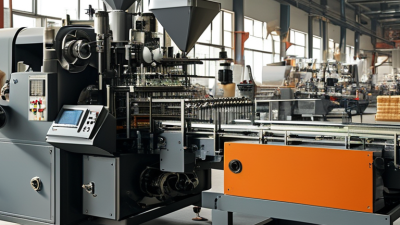
How to Choose the Right Pouching Machine?

Choosing the right pouching machine is rarely a simple matter of comparing prices and production speeds. A machine that performs well with dry snacks may struggle with powder, liquid, sticky products, or fragile pieces. Product behavior matters. Film structure matters. Operator skill matters, too.

Packaging machinery consultant John R. Henry offers a practical reminder: “The best machine is the one that fits the product, process, and people.” This principle should guide every purchasing discussion. A reliable pouching machine must match the pouch style, filling range, sealing temperature, and expected output. It should also provide accessible controls, clear changeover procedures, and dependable support after installation.

Walk through the production area before making a decision. Notice the available floor space, compressed-air supply, electrical capacity, and cleaning requirements. Ask how quickly operators can change from a 100-gram pouch to a 500-gram pouch. Small delays can quietly consume an entire shift.

Specifications can look impressive on paper. Reality may be less comfortable. Advertised speed often depends on ideal materials, experienced operators, and minimal stoppages. Request product trials using your actual film and product. Measure seal strength, filling accuracy, waste, and downtime.

The cheapest option may become expensive later. However, the most advanced machine is not automatically the wisest choice. A thoughtful selection balances performance, maintenance, hygiene, training, and future growth. Some uncertainty will remain. That is normal. The goal is not a perfect machine, but a dependable pouching machine that fits the real operation.
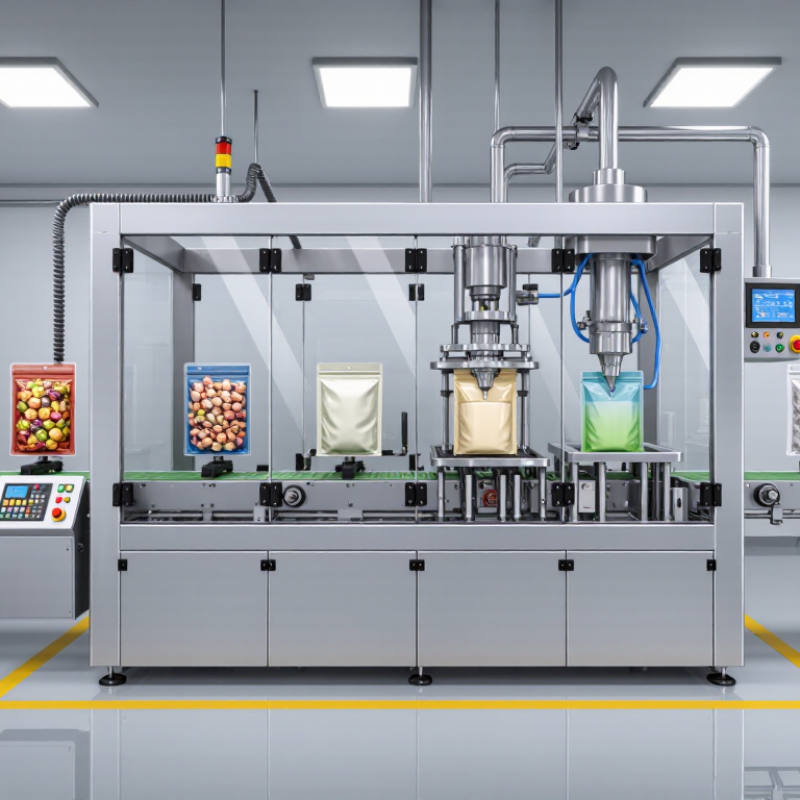
How to Choose the Right Pouching Machine?

Set Output Targets from OEM Ratings: 30–120 Pouches/Min for VFFS

How to Choose the Right Pouching Machine?

OEM ratings provide a useful starting point when comparing pouching machines. Many VFFS systems are rated between 30 and 120 pouches per minute. However, this figure usually reflects ideal conditions, not every production shift. Pouch size, film type, filling accuracy, and seal quality can reduce actual speed. A machine running at 120 pouches per minute may produce less when handling large bags or delicate materials.

Look closely at the working details. During a factory trial, measure output over a full hour, not only during a short demonstration. Record rejected pouches, film changes, cleaning time, and operator adjustments. Small stops matter. A stable machine producing 90 acceptable pouches per minute may outperform a faster machine with frequent seal failures. Check whether the OEM rating includes one lane or multiple lanes. Confirm the rated pouch dimensions and material conditions.

Ask for performance data using your own film and product. Test the smallest and largest pouch sizes you expect to produce. Request records for seal strength, weight variation, and unplanned downtime. These details show practical capability. Do not choose equipment from speed alone. A higher rating can also increase waste if the feeding system cannot keep pace. I have seen production plans rely too heavily on headline numbers. That assumption deserves careful review. Leave room for real-world variation.

How to Choose the Right Pouching Machine? - Set Output Targets from OEM Ratings: 30–120 Pouches/Min for VFFS

Target Output Recommended Machine Class Typical Pouch Formats Suitable Product Types Planning Throughput* Key Selection Factors
30–45 pouches/min Entry-level intermittent-motion VFFS Pillow, gusseted, and simple three-side-seal bags Powders, granules, snacks, and free-flowing dry products 18–32 pouches/min Lower capital cost, simple changeovers, manual or semi-automatic feeding, and moderate film-handling requirements
45–60 pouches/min Standard intermittent-motion VFFS Pillow and gusseted bags with printed or laminated film Rice, sugar, pet food, confectionery, and snack products 27–42 pouches/min Faster sealing, accurate dosing, reliable film tracking, and quick product-size adjustments
60–80 pouches/min High-speed intermittent-motion VFFS Pillow, gusseted, quad-seal, and optional easy-open bags Dry foods, frozen products, hardware, and household items 36–56 pouches/min Servo-driven film pull, fast jaw response, automatic registration, and integrated weighing or counting
80–100 pouches/min Continuous-motion or advanced intermittent VFFS Short-to-medium pillow bags and high-volume sachet-style packs Free-flowing snacks, granules, produce, and lightweight industrial parts 48–70 pouches/min Product flowability, seal cooling time, film quality, synchronized dosing, and operator skill
100–120 pouches/min High-speed continuous-motion VFFS Small pillow bags and other short-cycle, repeatable formats High-volume snacks, confectionery, granular foods, and non-fragile products 60–84 pouches/min Stable product dosing, short bag length, rapid heat-seal response, low stoppage rates, and automated quality checks
How to use the ratings: OEM speed ratings are normally maximum mechanical speeds under defined test conditions. For production planning, use approximately 60–70% of the stated rating to allow for filling variation, film splices, cleaning, changeovers, rejects, and minor stoppages.

Match Fillers to Product Flow and ±1% Weight Accuracy Benchmarks

How to Choose the Right Pouching Machine?

Matching the filler to product flow is more important than choosing a faster pouching machine. Powder, granules, liquids, and pastes behave differently during dosing. Fine powder may bridge inside a hopper and form unstable weight cycles. An auger filler can handle it, but screw speed and agitation need careful adjustment. Free-flowing grains often suit volumetric cups or net-weigh systems. Thick sauces usually need piston or servo-driven pumps.

A reliable selection process starts with product trials. Measure bulk density, moisture, particle size, viscosity, and flow consistency. Then test the machine at the intended target weight and production speed. For a 500-gram pouch, ±1% means each accepted pouch should remain between 495 and 505 grams. That benchmark sounds simple. It is not. Temperature changes, product settling, and hopper level can affect results within minutes.

In practical testing, I would collect at least thirty consecutive samples, not only inspect the best five. Check average weight, standard deviation, and rejected pouches. A filler may reach ±1% during a calm laboratory test but struggle beside a vibrating conveyor. This is where experience matters. Operators should adjust feed rates without creating surges. Maintenance teams should inspect seals, load cells, and contact surfaces regularly. I have seen good equipment miss its target because the product was tested under unrealistic conditions. That mistake deserves more attention.

Validate Seals with ASTM F88 and Sterile Packs with ISO 11607

How to Choose the Right Pouching Machine?

Validate Seals with ASTM F88 and Sterile Packs with ISO 11607

Choosing a pouching machine requires more than checking output speed. A reliable system must create repeatable seals under controlled conditions. Operators should monitor sealing temperature, pressure, dwell time, and material alignment. During production trials, record each setting and observe seal appearance.

Wrinkles, channels, and uneven edges deserve immediate attention.

ASTM F88

ASTM F88 provides a practical method for measuring seal strength. It evaluates the force required to separate sealed materials under defined test conditions.

Stronger seals are not automatically better. Excessive strength may damage the package during opening.

Test samples should represent actual production, including different machine settings and operators. Proper conditioning matters. Small details can change results.

ISO 11607

ISO 11607 focuses on packaging systems designed to maintain sterility until use. It requires suitable materials and validated forming, sealing, and assembly processes.

Therefore, select equipment with stable controls, accessible records, and repeatable performance. The machine should support documented process qualification and routine monitoring.

A first trial may fail. That is useful evidence, not wasted effort.

Review the failure, adjust one variable, and test again. Transport simulation and aging studies may reveal weaknesses that a fresh seal test misses.

A pouch that looks perfect can still perform poorly after handling.

Compare Real Capacity Using OEE: Availability × Performance × Quality

How to Choose the Right Pouching Machine?

A pouching machine should be judged by real output, not its advertised speed. OEE reveals how much production you actually receive. It combines Availability, Performance, and Quality.

Availability measures running time against planned production time. Record stoppages such as film changes, cleaning, jams, and operator adjustments. Performance compares actual speed with the machine’s ideal cycle rate. A machine rated at 120 pouches per minute may average only 92 during normal work. Quality measures accepted pouches against total production. Leaking seals, incorrect fills, and damaged edges reduce this result.

For example, an eight-hour shift may include 30 minutes of planned breaks. If unplanned downtime removes 70 minutes, Availability is about 84%. Running at 92 pouches per minute against a 120-pouch target gives 77% Performance. Producing 40,000 pouches with 1,200 rejects gives 97% Quality. The resulting OEE is about 63%.

Use your own production records when comparing machines. Short trials can hide film-threading problems or heat-seal variation. Ask operators to measure changeover time, waste, minor stops, and cleaning effort. Practical experience matters here.

Our first estimate was wrong.

We focused too heavily on maximum speed. The faster machine created more rejects during humid shifts. A slower model delivered steadier accepted output. Inspect real samples, review maintenance access, and calculate OEE across several products before choosing. A spreadsheet helps, but honest measurements matter more.

How to Choose the Right Pouching Machine?

Compare real production capacity using OEE: Availability × Performance × Quality. The example shift data below shows why rated speed alone is not enough when selecting a pouching machine.

OEE is calculated by multiplying Availability, Performance, and Quality. Effective capacity is calculated as Rated Speed × OEE. The values represent realistic operating ranges for pouching equipment and are intended for capacity comparison rather than brand-specific performance claims.

Use the 85% World-Class OEE Benchmark to Compare Machine Value

How to Choose the Right Pouching Machine?

Use the 85% World-Class OEE Benchmark to Compare Machine Value

An attractive pouching machine is not automatically a productive one. Compare its Overall Equipment Effectiveness, or OEE, against the widely cited 85% world-class benchmark from the OEE Foundation. OEE combines availability, performance, and quality. It exposes losses hidden behind impressive speed claims.

Ask for production records from comparable pouch sizes and materials. A machine rated at 120 pouches per minute may deliver less after film changes, jaw cleaning, and seal adjustments. The Packaging Machinery Manufacturers Institute’s industry reports repeatedly identify labor pressure, automation, and uptime as major investment concerns. These factors deserve measurement, not assumptions.

Look beyond the brochure.

Request the last three months of OEE data. Check planned stops separately from breakdowns. Examine reject rates, changeover minutes, and mean time to repair. A realistic trial should run your film, filling weight, zipper, and sealing temperature. Small details matter. A two-minute seal variation can create repeated rejects.

The 85% target is useful, but it is not universal. New products, unstable materials, or frequent short runs may reduce achievable OEE. That does not make the machine unsuitable. It means the quotation needs context, evidence, and a correction plan. I would also compare total cost per accepted pouch, not only hourly output. This is where many evaluations become less comfortable.