
Top 10 Automated Packaging Equipment Solutions You Need to Know?
The current landscape of automated packaging equipment highlights a significant shift in manufacturing processes. According to a report by Smithers Pira, the global packaging automation market is projected to reach $65.5 billion by 2026. This growth is fueled by increased demand for efficiency and reduced labor costs. Companies are looking to automated solutions to streamline operations and maintain competitiveness.
Automated packaging equipment is not merely a luxury; it has become essential for many businesses. With the rise of e-commerce and consumer demands for quicker delivery, the need for faster packaging solutions is evident. Research by the Packaging Machinery Manufacturers Institute indicates that 73% of companies have adopted some form of automation. Yet, not every solution fits all businesses. Misalignment between equipment capabilities and operational needs can lead to wasted resources and suboptimal performance.
As we explore the top ten automated packaging equipment solutions, it’s crucial to address the specific requirements of various industries. Understanding these needs can help ensure successful integration. Companies must also consider scalability and the potential for future enhancements. Investing wisely in automated packaging equipment can lead to substantial long-term benefits, but it also requires careful planning and consideration of limitations.
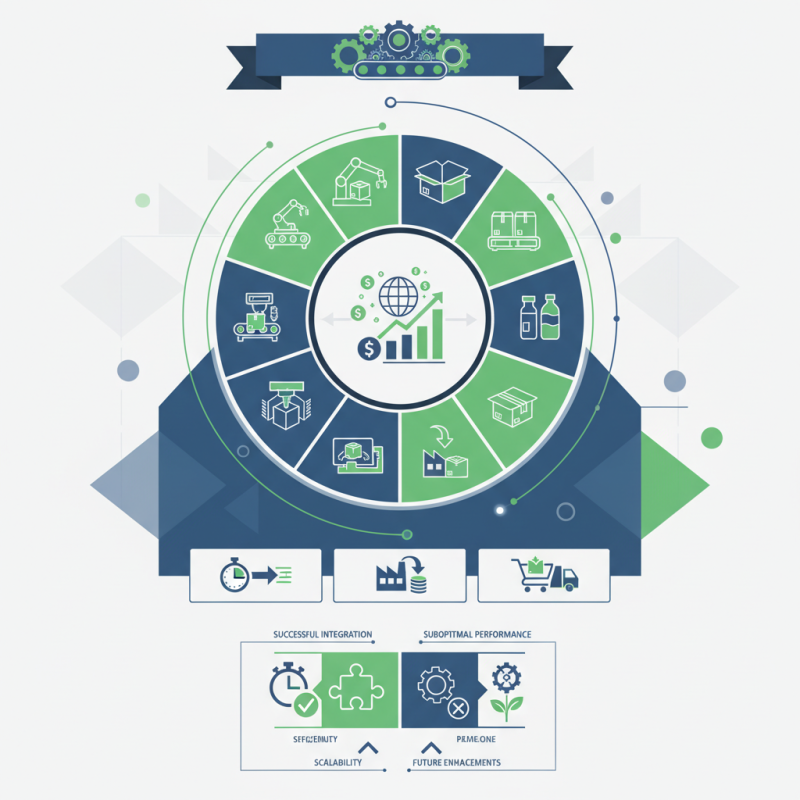
Understanding Automated Packaging Equipment and Its Benefits
Automated packaging equipment has transformed industries by enhancing efficiency and reliability. These systems streamline operations, reducing labor costs and minimizing errors. Understanding these benefits is crucial for any business looking to improve its packaging process.
Automation boosts speed and precision. Machines can pack thousands of products in a short period. They also ensure consistent packaging quality, leading to fewer product returns due to damage. However, it's important to regularly maintain these machines. Neglecting routine checks can lead to malfunctions and unexpected downtimes.
Tips: Invest in training for your staff. Well-trained employees can identify issues early, preventing costly repairs. Additionally, consider flexible solutions that adapt to varying product sizes. This adaptability allows businesses to respond quickly to market demands. Remember, not all machinery fits every business model perfectly; evaluate options based on specific needs and limitations.
Top 10 Automated Packaging Equipment Solutions You Need to Know
| Equipment Type | Description | Key Benefits | Suitable Industries |
|---|---|---|---|
| Automatic Case Erectors | Machines that assemble flat cases into a usable form. | Increase efficiency and reduce labor costs. | Food and Beverage, Consumer Goods |
| Palletizers | Automatic equipment that stacks products onto pallets. | Optimizes space and speeds up the packaging process. | Beverage, Pharmaceuticals, Electronics |
| Shrink Wrappers | Machines that wrap products in shrink film, creating a tight seal. | Protection from dust and moisture; improves shelf life. | Food Products, Electronics, Household Items |
| Filling Machines | Automates the process of filling containers with liquids or solids. | Enhances precision and reduces waste. | Beverages, Chemicals, Pharmaceuticals |
| Labeling Machines | Applies labels to products or packaging automatically. | Increases accuracy and reduces labeling time. | Food & Beverage, Cosmetics, Pharmaceuticals |
| Cartoning Machines | Automates the process of placing products into cartons. | Effective for high-speed production lines. | Consumer Goods, Health Care, Food |
| Strapping Machines | Secure packages using plastic or steel strapping. | Prevents damages during transit. | Logistics, Manufacturing, Distribution |
| Banding Machines | Wraps a band of material around products for bundling. | Reduces material waste and is versatile for different products. | Publishing, Food, Tools |
| Automated Warehouse Systems | Integrates various packaging processes with storage solutions. | Improves inventory management and order fulfillment. | E-Commerce, Healthcare, Manufacturing |
| Robotic Packaging Solutions | Utilizes robots for various packaging applications. | Enhances flexibility and reduces labor costs. | Pharmaceuticals, Food, Consumer Electronics |
Related Posts
-
2025 How to Choose the Best Packaging Machine for Your Business Needs
-
Top 10 Packaging Automation Equipment Trends for 2023 You Need to Know
-
Top Food Packaging Equipment Trends to Watch in 2023
-
Top 10 Benefits of Automated Packaging for Modern Businesses
-
2026 How to Choose Automated Packaging Machines for Your Business?
-

China Top 10 Automated Packaging Companies Revolutionizing the Industry?