What is a Pouching Machine and How Does it Work?
In recent years, the demand for pouching machines has surged, reflecting significant trends in packaging technology. The global packaging machinery market is expected to reach $55.16 billion by 2027, driven by increased consumer preference for flexible packaging solutions. A pouching machine is a crucial element in this industry. It enables the efficient sealing and packaging of various products, from food items to pharmaceuticals.
This advanced equipment automates the pouching process, ensuring consistency and reducing labor costs. According to industry reports, companies that use pouching machines can achieve up to 25% more productivity than those relying on manual packing. However, challenges remain. Not all pouching machines are designed to handle diverse product types, which can limit flexibility. Additionally, the initial investment cost may deter smaller businesses from adopting this technology.
Understanding how pouching machines work is essential for businesses aiming to improve their packaging efficiency. As companies explore automation, evaluating the reliability and performance of different pouching machines becomes critical. This expertise guides the selection of suitable machinery that meets specific operational needs.
What is a Pouching Machine and Its Purpose in Packaging Industry?
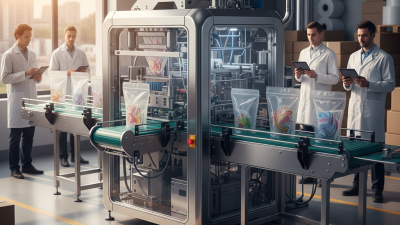
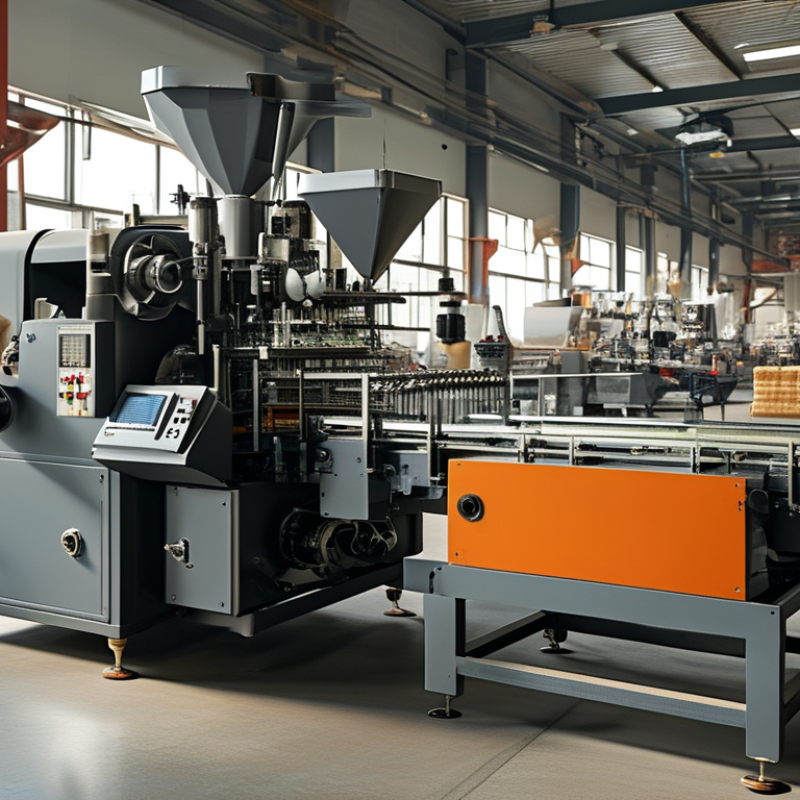
Pouching machines play a vital role in the packaging industry. They create pouches for various products, ensuring they remain fresh and protected. These machines automate pouch production, improving efficiency. They can handle diverse materials, making them versatile tools for manufacturers.
The process begins with feeding material into the machine. Sensors help regulate the speed and length of each pouch. This precision is crucial for consistent quality. Operators often need to monitor the machine. Small adjustments can improve output and address any issues that arise. It's important to note that maintenance is essential to avoid downtime.
Despite their advantages, pouching machines aren't perfect. Sometimes, they can experience jams or misalignment. Operators must be trained to troubleshoot these issues quickly. Regular checks and a good understanding of the machine are necessary for optimal performance. The packaging industry continues to evolve, and staying updated on technology is crucial.
What is a Pouching Machine and How Does it Work?
| Feature |
Description |
| Type of Pouch |
Stand-up pouches, flat pouches, and spouted pouches. |
| Application |
Used across various industries including food, pharmaceuticals, and cosmetics. |
| Material Used |
Plastic films, laminate materials, and biodegradable options. |
| Filling Method |
Gravity filling, volumetric filling, and pump filling. |
| Sealing Method |
Heat sealing, ultrasonic sealing, and cold sealing. |
| Speed |
Can produce 50 to 200 pouches per minute depending on the machine. |
| Control System |
PLC control with touch screen interface for easy operation. |
| Maintenance |
Regular cleaning and lubrication required for optimal performance. |
Components of a Pouching Machine: An Overview of Key Parts and Functions
A pouching machine is vital in packaging processes. Understanding its components and functions helps enhance production efficiency. The machine relies on key parts: a feeding system, pouch forming, filling, and sealing mechanisms. Each component harmonizes to create a streamlined operation.
The feeding system ensures accurate material supply. It reduces waste by providing consistent flow. According to industry reports, a well-calibrated feeding system can boost productivity by up to 30%. Pouch forming shapes the material into bags. Precision here is crucial. Variations in size can lead to inconsistent packaging.
Filling mechanisms vary depending on the product. Liquid, powder, and granular items each require tailored approaches. Sealing systems ensure freshness and integrity. Poor sealing can compromise product quality. Tips for optimizing performance: Regular maintenance checks help prevent mechanical failures. Monitor settings for adjustments based on material changes. Evaluate outputs frequently for quality assurance. Implementing these practices can enhance reliability and performance over time.
Step-by-Step Process: How a Pouching Machine Operates for Efficient Packaging
A pouching machine is an essential tool in modern packaging. It streamlines the process of creating pouches for various products. Understanding how it operates can enhance packaging efficiency and speed.
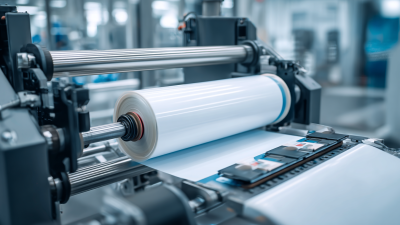
The operation begins with the feeding of flexible material rolls. These rolls are unwound and cut to specific lengths. The machine then forms these segments into pouches. It uses heat, pressure, or adhesive to seal the edges. This step is critical. If not done correctly, pouches may leak or tear easily. It's important for operators to monitor these parameters closely.
After sealing, the pouches are filled with products. This can include liquids, powders, or solids. It requires precision to avoid overfilling or contamination. After filling, the pouches are sealed again to ensure product integrity. Operators often review the output for quality assurance. However, mistakes or machine malfunctions can occur. Continuous training and maintenance are vital for optimal performance. Balancing speed and quality often requires ongoing adjustments and attention to detail.
Industry Standards: Performance Metrics and Quality Control in Pouching Machines
In the pouching machine industry, performance metrics are essential for ensuring product quality. Studies show that machines should maintain a minimum efficiency rate of 95% to minimize waste. Machines often experience downtime due to maintenance or operational issues. This downtime impacts overall production efficiency, underscoring the need for robust quality control.
Industry reports suggest that pouching machines should adhere to specific standards, such as those set by the International Organization for Standardization (ISO). These standards help in assessing machine performance and ensuring reliability. Trackable metrics like pouch fill accuracy and sealing integrity are vital. Errors in these areas can lead to increased returns and dissatisfied customers.
The reliability of pouching machines is often tested during production runs. However, inconsistent output quality can still occur, putting pressure on manufacturers to reflect on their processes. Regular audits and timely maintenance help address these issues. Investing in advanced technology can improve overall performance but requires ongoing training and commitment from operators.
Latest Innovations: Advancements in Pouching Machine Technology and Trends
The pouching machine industry is evolving rapidly, driven by technological advancements. The global pouch packaging market is projected to reach $47.6 billion by 2025, growing at a CAGR of 5.2% from 2020. Innovations focus on improving efficiency and sustainability, addressing high consumer demand for eco-friendly packaging options.
Recent trends highlight the integration of automation and smart technology. For instance, advanced sensors and AI algorithms enhance precision and reduce errors. This shift not only streamlines production but also minimizes material waste. Reports show that companies adopting these technologies see operational costs cut by up to 30%.
However, challenges remain. Technological integration can be complex and costly. Many manufacturers struggle with outdated machinery that cannot incorporate new solutions. This often leads to inefficiencies and limitations. The need for workforce training to handle advanced systems adds another layer of complexity. As the industry pushes forward, finding a balance between innovation and practicality becomes crucial.