Top 10 Food Packaging Solutions for Global Buyers to Consider?
In the fast-evolving world of food production, choosing the right food packaging solutions is essential. These solutions protect food products while ensuring they remain fresh and appealing. Global buyers must navigate various options to meet consumer demand and sustainability goals.
Packaging plays a vital role in branding and consumer perception. The choice of materials affects cost, environmental impact, and shelf life. Many companies now focus on eco-friendly materials and innovative designs. However, finding a balance between functionality and sustainability can be challenging.
Emerging trends highlight biodegradable options and smart packaging technologies. Yet, challenges such as supply chain constraints and regulatory compliance persist. Global buyers need reliable information and expert insights. Evaluating diverse food packaging solutions can lead to informed decisions that cater to market needs and consumer preferences.
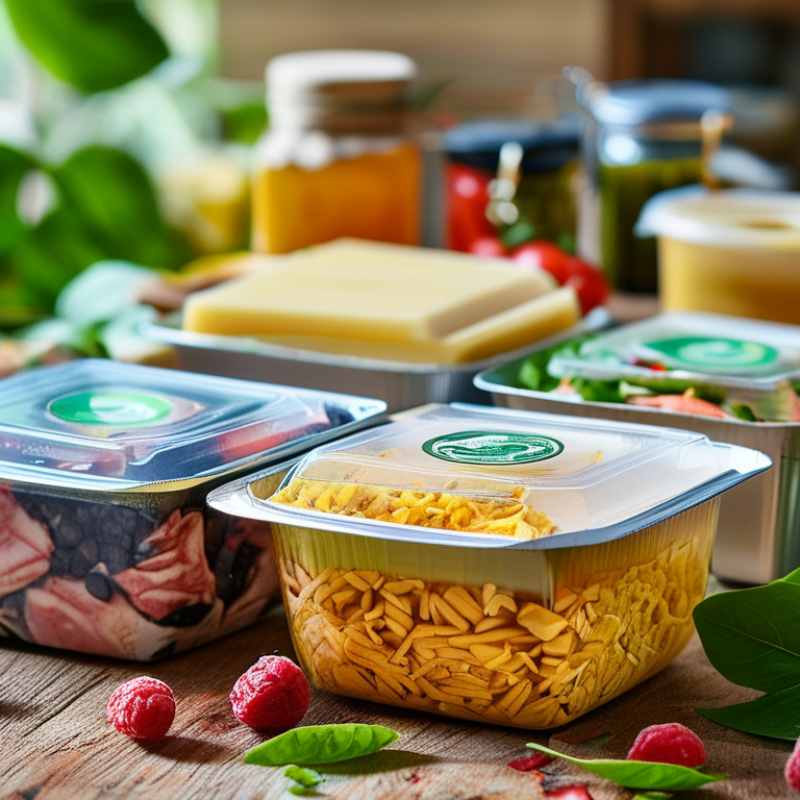
Top 10 Sustainable Food Packaging Solutions for Eco-Conscious Buyers
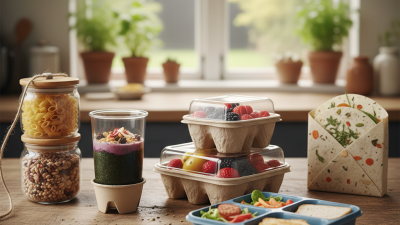
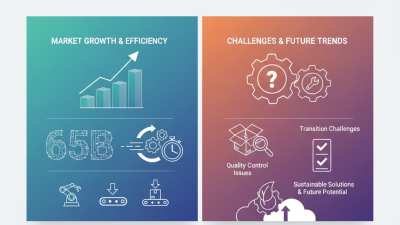
Sustainable food packaging is becoming essential as eco-conscious consumers demand greener options. Research from Smithers Pira indicates that the global market for sustainable packaging will reach $400 billion by 2027. This growth highlights the urgency for brands to adapt. Many of these solutions focus on reducing plastic waste and incorporating biodegradable materials.
Biodegradable film made from plant starch is gaining traction. These films break down naturally, enhancing overall environmental benefits. Additionally, compostable containers made from materials like sugarcane are increasingly popular. They provide a viable alternative to traditional plastic, making them appealing to buyers who prioritize sustainability. The challenge remains in balancing functionality and cost. Some brands struggle to maintain product integrity while switching to sustainable options.
Recyclable packaging is another key solution but comes with complications. Estimates show that only around 9% of plastic is recycled globally. This inefficiency raises questions about the effectiveness of recycling programs. Companies must invest in systems that support true recyclability. Additionally, consumer awareness about proper recycling methods is crucial. The commitment to sustainable packaging is essential for businesses aiming to appeal to eco-conscious buyers.
Exploring Advanced Biodegradable Packaging Materials in the Food Industry
The food packaging industry is evolving, particularly with biodegradable materials. The demand for eco-friendly packaging is projected to grow significantly. Reports indicate that the global biodegradable packaging market is expected to reach $20 billion by 2026. This shift is largely driven by consumer preferences for sustainable products.
Biodegradable packaging materials can break down naturally, reducing landfill waste. Common materials include polylactic acid (PLA) and paper-based options. A study found that PLA can decompose within 90 days in industrial composting conditions. This impressive feature makes it a favored choice for many manufacturers.
Yet, the production process of some biodegradable materials may still rely on fossil fuels. There remains a need for improvements in the sourcing and production methods.
Market studies emphasize the importance of innovation in this field. However, not all biodegradable packaging solutions deliver equal results. Some may still leave microplastics behind, creating new sustainability issues. This inconsistency raises concerns among researchers and companies alike. The industry must address these challenges with thorough testing and improved standards. Enhancing biodegradability is essential for genuinely sustainable food packaging.
Innovative Flexible Packaging Trends to Enhance Food Safety and Longevity
Innovative flexible packaging is reshaping the food industry. Manufacturers are exploring new materials to improve safety and shelf life. For instance, biodegradable films are gaining traction. They reduce waste while keeping food fresh. These materials often incorporate active elements that can absorb moisture or oxygen. This keeps products safe from spoiling.
Another trend is the use of smart packaging. This technology can monitor the freshness of food. Sensors detect changes in temperature or humidity. Consumers appreciate knowing their food is safe to eat. However, these innovations come with challenges. Not every flexible package is recyclable. The industry must find solutions to improve recyclability.
Moreover, consumer preferences are evolving. People seek transparency in food packaging. They want to know what's inside. Some brands are experimenting with minimalist designs. This approach can enhance trust. Yet, it raises questions about how much information is necessary. Manufacturers must balance aesthetics and functionality. Understanding these dynamics is crucial for successful food packaging solutions.
Top 10 Food Packaging Solutions for Global Buyers
The Role of Smart Packaging Technologies in Modern Food Logistics
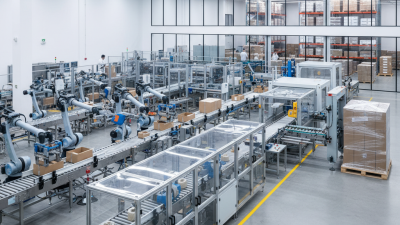
Smart packaging technologies are transforming food logistics. These innovations enhance freshness and extend shelf life. They address common challenges in the supply chain, ensuring food safety and quality. Advanced technologies like RFID and QR codes enable tracking and tracing products in real-time. This boosts transparency in the food distribution process, benefiting consumers and suppliers alike.
Tips for embracing smart packaging include exploring biodegradable materials. Using sustainable approaches can reduce environmental impact. Additionally, invest in quality control systems. These systems help monitor conditions during transportation. Regular assessments ensure that packaging meets both safety regulations and industry standards.
Flexibility is crucial in adopting these technologies. Not all solutions work for every product. It’s important to evaluate the specific needs of your logistics network. Every food item has unique requirements for packaging. Be open to reevaluating strategies and adjusting as necessary. Finding the right balance can lead to improved efficiency and customer satisfaction.
Key Regulatory Considerations for Global Food Packaging Compliance
When considering global food packaging, compliance with local regulations is critical. Various regions have different safety standards. For example, the European Union enforces strict regulations regarding materials in contact with food. Non-compliance can lead to recalls and significant financial losses.
The Food and Drug Administration (FDA) in the United States mandates specific labeling requirements. Proper labeling not only ensures consumer safety but also builds trust. A report by Mordor Intelligence highlights that over 50% of consumers are influenced by packaging details. Ignoring these aspects can be a missed opportunity for brands.
Tips: Always stay updated on the regulatory landscape. Join industry forums or subscribe to newsletters that focus on food safety and packaging regulations. Engage with experts in the field to reflect on your current compliance strategies.
In markets like Asia-Pacific, sustainable packaging is gaining traction. Regulatory bodies are pushing for eco-friendly options. However, many companies struggle to meet these requirements. The transition from traditional packaging to sustainable alternatives requires thoughtful planning and investment. Engaging in discussions about sustainability can create opportunities for innovation.