Choosing the right packaging design is not merely a visual exercise. It is a commercial decision made under practical constraints. Shelf distance, opening effort, transport damage, material cost, and disposal habits all shape the customer’s experience.
Trivium Packaging’s 2023 Global Buying Green Report found that 82% of consumers were willing to pay more for sustainable packaging. The report also showed growing interest in recyclable and reusable formats. These findings suggest that packaging design must communicate value quickly. A matte carton, a clear label, or a lighter bottle can influence trust within seconds. However, consumer claims do not always become purchasing behavior. That gap deserves attention.
Smithers’ packaging market research also identifies sustainability, material efficiency, and regulatory pressure as major industry drivers. These forces make attractive design only one part of the decision. Lars Wallentin, former Head of Packaging Design at Nestlé, expressed this principle simply: “Packaging is the product.” His statement remains useful because packaging often becomes the customer’s first physical contact with a brand.
A strong design should protect the product, explain its purpose, and reduce unnecessary material. It should also perform during real handling. Imagine a damp bathroom shelf, a crowded supermarket basket, or a parcel dropped beside a doorway. The design must survive those moments.
This guide examines how to balance brand identity, usability, sustainability, cost, and testing. Some choices will remain imperfect. That is normal. Good packaging design improves through evidence, not assumptions.
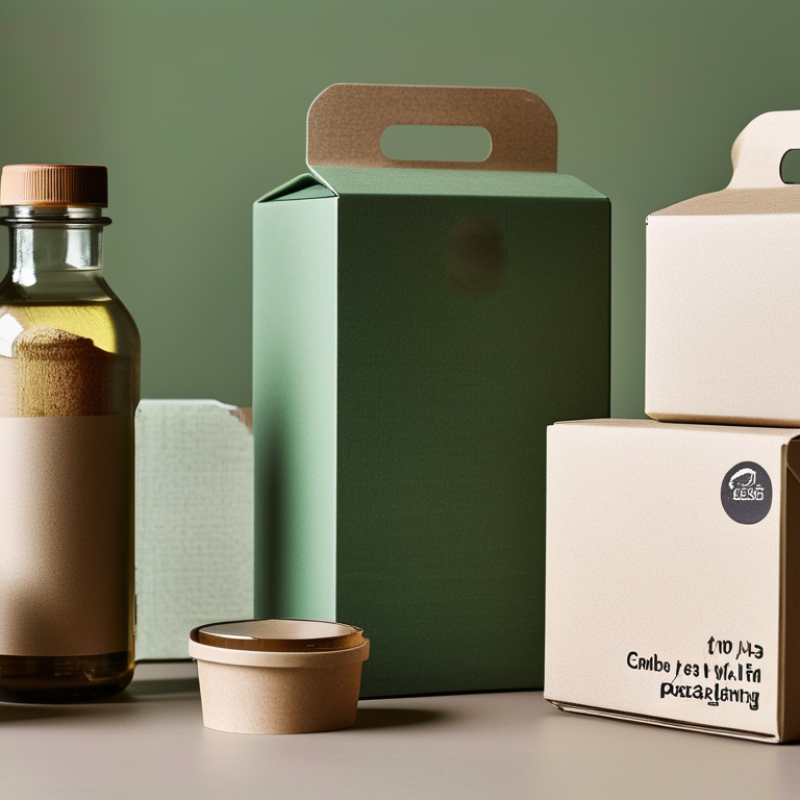
Packaging should begin with three practical questions: What is the product, who buys it, and where will it be sold? A 2018 survey from the Paper and Packaging Board found that 72% of consumers said packaging design influences purchase decisions. This figure shows packaging impact, but it is not a universal rule. The survey focused on U.S. consumers, and preferences change across categories and channels. Treat the number as a signal, not a promise.
Define the product’s physical demands first. A glass product may need stronger cushioning, while a lightweight item may benefit from compact cartons. Then map the buyer’s moment of choice. On a retail shelf, readable benefits and strong contrast support quick decisions. Online, clear images and damage-resistant shipping matter more. The channel changes the design brief.
Use evidence from sustainability research, too. The United Nations Environment Programme identifies packaging as a major source of single-use plastic waste. Reduce unnecessary layers, but test protection before removing material. A damaged product creates waste and weakens trust.
McKinsey’s global packaging research also shows that consumers increasingly value recyclable and lower-impact formats, although willingness to pay varies by market. Keep claims specific. “Uses less material” is stronger than vague green language.
Small tests with real buyers can expose flawed assumptions. That step is easy to skip. Don’t.
Choosing packaging design now requires a measurable sustainability target, not only attractive graphics.
The 2021 Global Buying Green Report found that 74% of consumers were willing to pay more for sustainable packaging. That figure changes the design brief. A lighter carton, fewer mixed materials, or a refill format can become a commercial decision.
Set a target before selecting colors, coatings, and structures. For example, reduce packaging weight by 15%, use at least 30% recycled content, or improve recyclability in your main market.
The Global Waste Management Outlook 2024 estimates that municipal solid waste could reach 3.8 billion tonnes annually by 2050.
Packaging choices should respond to that pressure. Test the pack in real conditions, too. A box that collapses during delivery creates waste through damaged products.
A practical review should compare material weight, transport volume, recovery options, and customer willingness to pay. Life-cycle assessment guidance in ISO 14040 and ISO 14044 supports this broader comparison, rather than judging materials by appearance alone.
Still, no target is perfect. Recycled content may affect color consistency, strength, or supply reliability. A premium finish can also weaken recyclability.
These trade-offs need documented evidence, supplier testing, and small-scale trials. Consumer research offers direction, but it does not replace performance data.
Choosing packaging starts with the product’s weakest point, not its shelf appearance. A glass jar needs impact control, while a soft refill may need puncture resistance. In packaging trials, I place filled packs in cartons and simulate drops, vibration, and compression. Small corner dents often reveal more than a clean studio sample. Protection should match the journey. Over-packaging adds cost and unnecessary material.
Select the format after measuring product volume, weight, moisture, and handling conditions. A tight fit can reduce movement and shipping space. However, it may slow packing or make the pack difficult to open. I have learned that the cheapest material is rarely the lowest-cost choice. Thinner board can collapse, causing returns and wasted stock. Compare material price, tooling, labor, transport, and damage rates. Then test realistic quantities, not one perfect sample.
Recycling performance depends on simple separation and local collection systems. Paper-based packs may struggle when coatings, adhesives, or residue prevent fiber recovery. Plastic formats should avoid unnecessary layers when simpler structures provide enough protection. Clear disposal instructions help, but they cannot fix poor design. Ask recyclers or packaging specialists what happens after collection. Their feedback may challenge the original concept. That is useful. I still leave room for revision, because laboratory results can differ from dusty warehouses, humid trucks, and hurried customers. Test it again.
| Material / Format | Typical Product Uses | Protection Performance | Relative Cost | Transport Efficiency | Recycling Performance | Key Design Considerations |
|---|---|---|---|---|---|---|
| Corrugated Fiberboard Box | Shipping cartons, subscription boxes, appliances, packaged goods | High for compression and impact when correctly sized; limited moisture resistance unless coated | Medium | High when flat-packed and efficiently sized | High in established paper-recycling systems; remove excessive tape and contamination | Use the smallest practical box, right-size the flute grade, and avoid unnecessary laminations or mixed-material coatings |
| Paperboard Folding Carton | Dry foods, cosmetics, medicines, small consumer products | Medium for crush protection; low resistance to water and heavy loads | Low to Medium | High because cartons ship and store flat | High when uncoated or recyclable coatings are used | Keep plastic windows, foil layers, and heavy coatings to a minimum; use sufficient board thickness for stacking loads |
| Molded Pulp Tray | Eggs, electronics protection, bottles, food-service items | High for cushioning and shape retention; moisture performance depends on treatment | Medium | Medium because protective volume can be greater than foam for some designs | High when made from clean fiber without difficult coatings | Optimize wall thickness and nesting depth; validate humidity performance for chilled or wet products |
| Glass Bottle or Jar | Beverages, sauces, cosmetics, household products | High barrier performance and chemical stability; vulnerable to breakage and impact | Medium to High | Low to Medium because glass is heavy and requires protective secondary packaging | High where glass collection and remelting infrastructure is available | Use lightweighting carefully, protect closures and shoulders, and design for emptying before recycling |
| Aluminum Can or Tray | Beverages, shelf-stable foods, personal-care products | High barrier against light, oxygen, and moisture; may dent under impact | Medium | High due to low weight and efficient nesting | High in regions with metal recovery; aluminum can be recycled repeatedly when collected | Minimize unnecessary components, separate steel and aluminum parts where required, and avoid bonded non-metal attachments |
| PET Rigid Container | Water, beverages, personal care, food and household liquids | High for transparency, impact resistance, and moisture protection; oxygen barrier varies by design | Low to Medium | High because it is lightweight and available in stackable formats | Medium to High where PET bottle collection and sorting are established | Use clear, mono-material designs where possible; select compatible closures, labels, adhesives, and pigments |
| HDPE Rigid Container | Detergents, milk containers, personal-care products, household chemicals | High for impact and moisture resistance; limited oxygen barrier unless specially modified | Low to Medium | High with lightweight, stackable bottle geometry | Medium to High depending on local collection, sorting, and end-market demand | Use compatible closures and labels, avoid carbon-black pigments that may be difficult for optical sorters, and design for complete emptying |
| Flexible Mono-PE or Mono-PP Film | Refill pouches, snack packs, liners, frozen foods, personal-care refills | Medium to High for moisture and low weight; puncture and oxygen performance depend on thickness and structure | Low | High because it uses little material and packs efficiently | Low to Medium; store-drop-off or specialist collection may be required in many regions | Prefer one polymer family, reduce inks and coatings, and verify local recycling acceptance before making recyclability claims |
| Multilayer Barrier Pouch | Coffee, sauces, pet food, medical and high-barrier applications | High for oxygen, moisture, aroma, and light protection | Medium | High because of low weight and compact shipping volume | Low in conventional systems when different plastic, foil, or paper layers cannot be separated | Use only when the required shelf life justifies the structure; investigate mono-material barrier alternatives and collection routes |
| Reusable Rigid Crate or Tote | Closed-loop distribution, food-service transport, industrial components | High for repeated handling, stacking, and impact resistance | High initial cost, potentially lower cost per use over multiple cycles | Medium; empty-return logistics can add transport volume | High when reused many times and ultimately recycled through suitable channels | Confirm return rates, cleaning requirements, loss rates, reverse logistics, and the number of uses needed to offset manufacturing impacts |
Ratings are general design guidance rather than universal specifications. Actual performance depends on product weight, geometry, filling process, distribution conditions, local collection systems, and the specific package construction. Always verify recycling claims with the target market’s infrastructure.
Packaging must work in two places: a crowded shelf and a fast digital feed. The 64% packaging-recognition data gives teams a practical benchmark for testing both environments. Ask participants to identify your package after a brief glance. Then measure recognition, recall, and purchase confidence. A clear front panel, strong color contrast, and readable product name can improve recognition. However, attractive design alone does not guarantee understanding.
Test realistic versions, not polished mockups only. Place the package beside competing shapes and colors on a shelf. Show the digital version on a small phone screen. In my own review process, designs often looked excellent on large monitors but lost key details on mobile screens. That mistake is easy to repeat. Use the same exposure time for every design, and record uncertainty instead of ignoring it. A result near 64% may reveal a useful weakness, not a failure.
64% A practical benchmark for testing packaging recognition across shelf and digital environments.
Tips: Keep one visual cue dominant. Test at three distances. Use unedited participant feedback. Compare recognition after one second and five seconds. Check whether people remember the product category, not only the color. Refresh the test with unfamiliar viewers, because internal teams already know the design. If results conflict, investigate the setting before changing the package. Shelf lighting, screen brightness, and image size can distort conclusions. Capture these conditions carefully. Reliable packaging decisions need evidence, practical observation, and room for revision.
Compliance should guide the design before visual styling begins. Check destination-market rules for ingredients, allergens, net quantity, warnings, languages, recycling symbols, and barcode quality. Requirements can differ between countries and product categories. A compliant-looking label may still fail review. Keep an approval record for every claim, artwork version, and supplier specification.
Accessibility deserves equal attention. The World Health Organization estimates that 1.3 billion people experience significant disability worldwide. Use strong color contrast, readable type, generous spacing, and opening instructions that do not depend only on vision or strength. Test caps, seals, and tear points with people who have different abilities. Test it early. Small text fails.
Claims require evidence, not attractive wording. A 2023 European Commission screening found that 42% of examined environmental claims were potentially exaggerated, false, or deceptive. Avoid vague phrases such as “eco-friendly” unless the exact meaning is documented. Define the material, measurement method, scope, and comparison behind every statement. NielsenIQ’s 2023 sustainability research reported that 78% of consumers consider a sustainable lifestyle important, but demand does not replace proof. One weakness remains: internal approval can feel objective while missing real-world confusion. Conduct a legal review, a packaging-use trial, and a final prepress check before production and scale.