How to Choose Automated Packaging Machines in 2026?
In 2026, the landscape of packaging is evolving rapidly. Choosing the right automated packaging machines is crucial for business efficiency. These systems can dramatically improve production speed and reduce labor costs. However, the decision process can be overwhelming. Various factors must be considered.
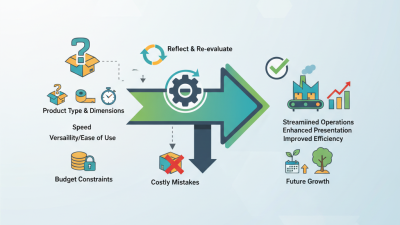
Automation is not a one-size-fits-all solution. Each business has unique needs. The complexity of products, volume, and packaging types all influence the choice of machines. Understanding the specific requirements helps in selecting the right equipment.
Investing in automated packaging machines requires careful reflection. It's essential to weigh the benefits against potential challenges. The initial cost may be high, yet the long-term gains can justify this investment. Evaluating different suppliers and exploring options is vital for achieving optimal performance.
Understanding the Basics of Automated Packaging Machines
Automated packaging machines have transformed manufacturing processes. Understanding their basics is essential for making informed choices in 2026. According to a recent report by MarketsandMarkets, the global market for automated packaging is projected to reach $20.9 billion by 2026, growing at a CAGR of 5.9%. This data underlines the increasing importance of efficiency in packaging.
When selecting equipment, consider various factors. Evaluate the size and type of your products. Different machines cater to specific packaging needs. The right choice should enhance productivity and minimize waste. Consulting with industry experts can offer valuable insights tailored to your business requirements.
Explore options that offer flexibility and adaptability. Automated machines should accommodate changes in product design and packaging materials. A report from Smithers states that sustainable packaging solutions are becoming a priority, influencing purchasing decisions. Regularly assess your equipment's performance. An inefficient machine can disrupt your operation and increase costs. Stay informed about advancements to ensure your investment remains beneficial.
Identifying Your Packaging Needs and Requirements
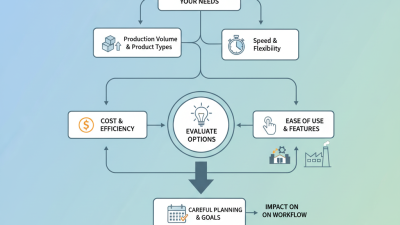
Identifying your packaging needs and requirements is crucial for selecting the right automated packaging machines. Begin by analyzing your product specifications. Consider size, weight, and fragility. These factors influence the type of packaging machine that will best suit your operation. A delicate item may require a different approach than a hefty one. It’s essential to understand these variances.
Next, evaluate your production volume. High-demand products might need faster machines capable of handling larger quantities. Understanding your output expectations ensures you select equipment that meets your production goals. Be mindful of potential bottlenecks; investing in a machine that cannot keep pace can hinder efficiency.
Look at your scalability needs as well. If your business plans to expand, consider machines that can adapt to increased production. Assessing these variables will lead you toward more informed choices. It's a reflection of understanding your unique requirements, not merely a one-size-fits-all approach. Identifying needs thoroughly saves time and costs in the long run.
Packaging Machine Efficiency by Type in 2026
Evaluating Different Types of Automated Packaging Solutions
When evaluating different types of automated packaging solutions, consider the specific needs of your operation. Different products require varied packaging techniques, so understanding your product's characteristics is crucial. For example, fragile items may necessitate cushioned packaging while bulk products could benefit from simpler, cost-effective packaging types. Analyzing product dimensions, weight, and sensitivity helps pinpoint suitable technologies.
Another important factor is scalability. As demand fluctuates, your packaging needs will also change. Selecting machines that allow for quick adjustments can save time and resources. Some solutions offer modular designs, which enable easy upgrades and expansions. This flexibility can improve your operational efficiency. Yet, finding the right balance between automation and manual processes remains essential. Fully automated systems may not suit every situation.
Maintenance and support are also critical to the decision-making process. Research the reliability of different machine types. Some may require frequent repairs, increasing operational costs. Understanding the lifespan of the machine and the availability of spare parts can mitigate future headaches. Relying solely on automation might lead to oversights if not continuously assessed. Manufacturers should regularly review their systems and make adjustments based on performance data, ensuring long-term success.
Assessing Cost-Effectiveness and ROI of Packaging Machines
When selecting automated packaging machines in 2026, assessing cost-effectiveness and return on investment (ROI) is crucial. According to a recent report by the Packaging Machinery Manufacturers Institute, companies can expect an ROI of 30-50% within the first year of investing in automated solutions. This figure emphasizes the potential long-term savings these machines can provide.
Investment in automated packaging systems reduces labor costs significantly. Companies can cut labor expenses by 30-50% through automation. However, upfront costs can be high. It's essential to analyze not just the purchase price but also the operational efficiencies they bring. Factors such as increased throughput and reduced waste play a critical role in evaluating overall effectiveness.
Data from market research shows that efficiency improvements can lead to a 15-25% increase in production rates. These numbers may vary based on the industry and specific machine capabilities. Companies often face challenges in understanding machine compatibility with existing systems, which can impact integration costs. Thus, it is wise to consider both short-term expenses and long-term benefits carefully.
Exploring Future Trends in Packaging Technology for 2026
As we look toward 2026, packaging technology is evolving rapidly. Businesses must stay informed about emerging trends. Automated packaging machines are no longer just about speed. They are increasingly focused on efficiency, sustainability, and adaptability.
One trend to consider is the integration of artificial intelligence. AI can optimize packaging processes by analyzing data in real-time. This leads to fewer errors and reduced waste. Additionally, machines are becoming more versatile. They can handle various sizes and shapes with ease. This flexibility is crucial as consumer demands shift.
Tips for selecting automated machines include assessing your production capacity. Determine your output needs. Evaluate how well machines can adapt to new packaging materials. Sustainable options are vital, as eco-friendly solutions are gaining attention. Consider maintenance requirements too; simpler systems lead to less downtime.
Flexibility and sustainability are pillars of future packaging. Your choices today impact your brand tomorrow. Be sure to weigh technology costs against long-term benefits. This balance can enhance productivity while supporting environmental goals.