What Are the Best Automated Packaging Equipment Options?
In today's fast-paced manufacturing world, businesses seek efficiency through automated packaging equipment. Experts agree that this technology is essential for streamlining operations. Michael Adams, a recognized authority in packaging solutions, states, “Investing in automated packaging equipment can revolutionize the way products are handled.”
The range of options is vast, from case erectors to palletizers, each offering unique advantages. By automating packaging processes, companies can reduce labor costs and minimize errors. However, not all solutions suit every industry. Some may find certain technologies too complex or expensive. It is crucial to evaluate specific needs carefully.
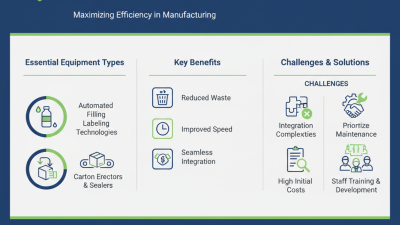
While automated packaging equipment presents many benefits, there are challenges to consider. Integration with existing systems can be tricky. Moreover, ongoing maintenance and worker training require attention. Balancing innovation with practicality is a continuous journey requiring reflection and adjustment.
Types of Automated Packaging Equipment for Different Industries
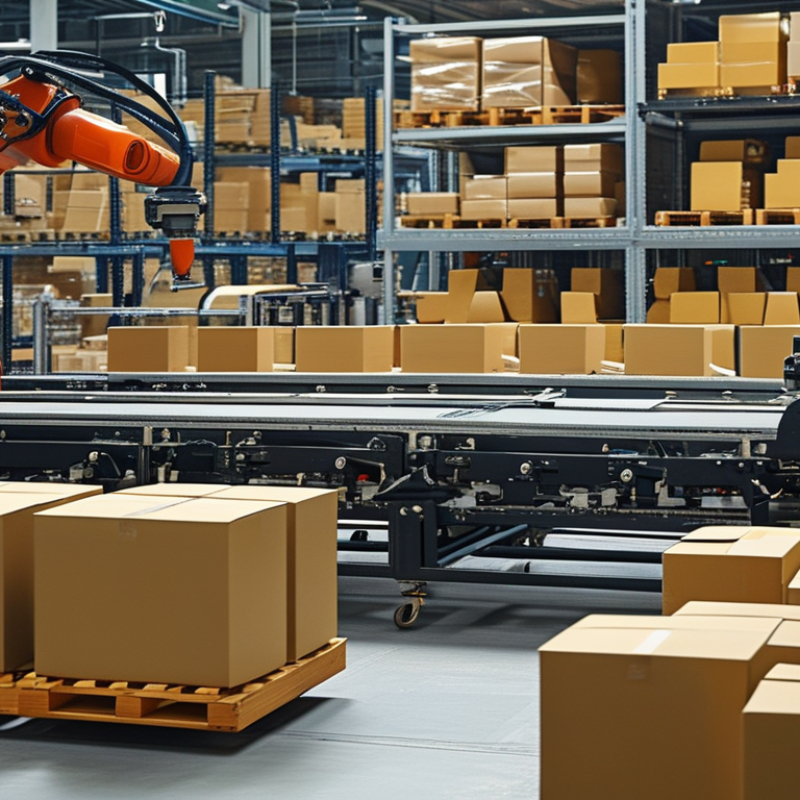
Automated packaging equipment plays a crucial role in various industries. Food and beverage sectors benefit significantly from high-speed machines. They are designed for packing products efficiently while ensuring hygiene and safety standards. For instance, tray sealing machines seal food securely. This prevents contamination and extends shelf life.
In the cosmetics industry, specialized filling systems are vital. These systems measure and dispense liquids with precision. An inconsistency in filling can lead to customer dissatisfaction. It's essential to regularly calibrate these machines for optimal performance. Furthermore, the pharmaceutical sector requires strict compliance with regulations. Automated packaging equipment here must ensure accuracy and traceability. Any deviations can result in serious implications.
While automation enhances efficiency, it also presents challenges. Workers may resist changes due to fear of job loss. Training programs can ease this transition. Additionally, not every automated solution fits all businesses. An in-depth analysis is needed to choose the right equipment. Industry-specific needs should always be prioritized over general solutions. This ensures the best return on investment.
Types of Automated Packaging Equipment by Industry
Key Features to Consider When Choosing Packaging Equipment
Choosing the right automated packaging equipment can be a challenge. It requires careful consideration of various key features that impact efficiency and effectiveness. One critical aspect is the size and flexibility of the equipment. Machines should accommodate a range of product sizes. This versatility allows businesses to adjust packaging solutions as their needs change.
Another essential factor is speed. Automated systems should offer quick processing times. However, striking a balance between speed and accuracy is vital. High-speed equipment that compromises packaging integrity can hurt a brand's reputation. It's important to evaluate the equipment's reliability and downtime rates. Operators must ensure that the machines perform consistently under peak conditions.
User-friendliness is often overlooked but is essential for a smooth operation. Training staff to utilize complex machinery can be time-consuming and costly. Intuitive controls and straightforward interfaces reduce training time and operational errors. Additionally, consider the equipment's energy efficiency to lower overall costs. While some machines promise lower energy consumption, they might lack in speed or functionality, necessitating a careful selection process.
What Are the Best Automated Packaging Equipment Options? - Key Features to Consider When Choosing Packaging Equipment
| Equipment Type |
Key Features |
Ideal For |
Estimated Cost |
| Automatic Wrapper |
Speed, Flexibility, Easy Integration |
Food Products, Beverages |
$15,000 - $25,000 |
| Carton Sealer |
Durability, Speed Control, Adjustability |
Consumer Goods, Electronics |
$8,000 - $20,000 |
| Labeling Machine |
Precision, Speed, Multi-Surface Applicability |
Bottles, Packages, Cans |
$10,000 - $30,000 |
| Palletizer |
Automation, High Throughput, Customization |
Large Scale Warehouses, Distribution Centers |
$50,000 - $200,000 |
| Filling Machine |
Accurate Volume Filling, Versatility, Easy Maintenance |
Liquids, Powders, Granulated Products |
$20,000 - $100,000 |
Advantages of Using Automated Packaging Solutions
Automated packaging solutions offer significant advantages for businesses seeking efficiency and consistency. By reducing manual labor, these systems can streamline production lines. Companies often realize shorter packaging times and lower labor costs. Automated machinery minimizes human errors that can lead to waste and rework. This reliability helps maintain product quality and enhances customer satisfaction.
Moreover, automated packaging equipment can adapt to different products. They are versatile and can handle various shapes and sizes. This flexibility ensures that businesses can respond quickly to changing market demands. Automation also enables better inventory management, helping businesses keep track of stock levels accurately. Despite these clear benefits, some companies may face challenges when implementing automation. Finding the right equipment and managing the transition can be daunting.
Investing in automated solutions requires careful planning. Organizations must assess their needs and evaluate their processes. Training staff to operate and maintain new machinery is crucial. Without proper integration, the benefits of automation may not be fully realized. Taking these steps can help ensure a smooth transition and maximize the advantages of automated packaging systems.
Top Brands and Models of Automated Packaging Equipment
The landscape of automated packaging equipment is continually evolving, driven by the need for efficiency. According to a recent industry report, the global automated packaging market is estimated to grow from $46.7 billion in 2023 to approximately $80.6 billion by 2030. Companies are increasingly looking for brands that offer reliability and precision in their equipment to enhance productivity.
Several top models stand out in the market, showcasing various capabilities. For instance, some systems integrate advanced robotics, improving accuracy and reducing material waste. Recent technological advances allow multiple packaging functions in a single machine, enhancing operational efficiency. Automation is not without challenges; companies must also consider maintenance and staff training.
Despite the benefits, it is essential to reflect on the initial costs involved with automated equipment. Investment can be substantial, but the long-term savings often justify this. Industry estimates suggest that companies can see a return on investment within three to five years. Adopting automation can significantly reduce labor costs; however, organizations should not overlook the potential need for ongoing support and upgrades.
Future Trends in Automated Packaging Technology
The landscape of automated packaging technology is rapidly evolving. Companies are increasingly adopting smart packaging systems. These systems integrate artificial intelligence and machine learning. They enhance precision and efficiency. With real-time data analysis, businesses can optimize operations. This trend allows for faster response times to market demands.
Sustainability is another critical consideration in future trends. The industry is moving toward eco-friendly materials and practices. Innovative designs reduce waste and minimize environmental impact. Automated equipment is now capable of using less energy during production. Furthermore, biodegradable options are gaining traction. This reflects a growing consumer preference for sustainable choices.
However, challenges remain. Implementing new technologies can be costly. Many companies hesitate to invest without clear ROI. Training staff to operate advanced systems also presents hurdles. Companies need to reflect on balancing automation and human skills. Addressing these issues is vital for seamless integration into business models.