2026 Best Packaging Equipment Systems for Global Buyers?
The packaging equipment systems market is rapidly evolving. As businesses strive for efficiency, they seek advanced solutions. 2026 presents a pivotal year for global buyers. With technological advancements, the landscape of packaging is shifting dramatically.
Innovative systems are emerging, focusing on sustainability and speed. Companies are prioritizing smarter automation and advanced materials. These changes aim to enhance productivity and reduce environmental impact. However, navigating this market can be confusing. Selecting the right packaging equipment systems requires careful consideration.
Buyers must evaluate their unique needs. Identifying the best system can be a challenge. Companies often struggle with integrating new technologies. This reflects the need for continuous learning and adaptation in the industry. The right approach can lead to remarkable improvements in packaging efficiency and effectiveness.
2026 Overview of Packaging Equipment Systems for Global Buyers
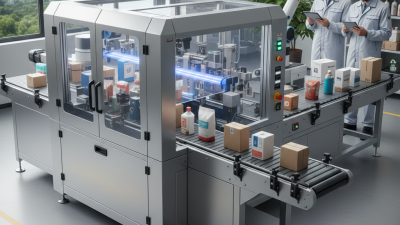
In 2026, the landscape of packaging equipment systems will significantly evolve, catering to diverse global buyers. Innovations in technology will drive efficiency and sustainability. Emerging automation solutions may transform traditional processes, making them faster and more reliable. Packaging systems might integrate advanced AI for better quality control. Such improvements can enhance production rates and reduce waste.
Global buyers will prioritize flexibility in packaging solutions. Companies may need systems that adapt to varying product sizes and materials. This adaptability is crucial for meeting consumer demands for custom packaging. Additionally, engaging with local suppliers can improve logistics and reduce carbon footprints. However, finding qualified suppliers can be a challenge.
Investing in training for staff on new systems is vital. Workers need to be skilled to maximize equipment potential. Some companies may overlook this, leading to underutilization. It highlights the need for continuous employee development. Reflecting on past experiences can guide better decisions. Proper planning and foresight can make a significant difference in the efficiency of packaging operations.
Key Features to Consider in Packaging Equipment Systems
When considering packaging equipment systems, multiple features demand attention.
Efficiency is crucial. Systems should maximize speed without sacrificing quality.
This balance can dramatically impact production rates. Think about flexibility as well.
Equipment that adapts to various product shapes and sizes can reduce downtime and improve versatility.
Designing for future growth matters too. Scalable systems can adjust as demands change.
Reliability plays a vital role in the decision-making process.
Frequent breakdowns can lead to costly delays. Robust construction often indicates long-term dependability.
Ease of maintenance is also essential. Systems should allow quick access to components for repairs.
Training requirements for staff should be minimal.
Operators should feel comfortable using the equipment quickly.
User-friendliness cannot be overlooked. Complex interfaces can lead to errors.
Simplicity fosters better operation.
Moreover, energy efficiency is increasingly significant.
Equipment that consumes less power can lower operational costs. Sustainability concerns continue to grow in importance.
Finally, always consider available support services. Responsive customer service can make or break your experience with any system.
Being prepared for the unexpected is key.
Top Packaging Equipment Brands to Watch in 2026
As the global market for packaging systems expands, the landscape is ever-changing. In 2026, businesses must keep an eye on emerging brands that are stepping up their game. These brands are not just innovating; they are redefining efficiency and sustainability in packaging.
New players are emerging with technology that enhances productivity. Their focus is on user-friendly designs that require minimal training. Advanced automation is a key theme. Many brands are integrating smart systems that track performance data in real-time. This level of transparency is vital for businesses looking to optimize operations. Additionally, eco-friendly practices are becoming non-negotiable. Brands prioritizing sustainable materials resonate well with environmentally conscious consumers.
While these innovations are promising, challenges remain. Some companies struggle to adapt to rapid technological changes. Others face difficulties in sourcing sustainable materials. The gap between supply chain demands and solutions is still significant. Nevertheless, the ongoing evolution in packaging equipment can lead to improved efficiency and responsible practices. This transformation will ultimately shape the future of packaging in the years to come.
Emerging Technologies in Packaging Equipment Systems
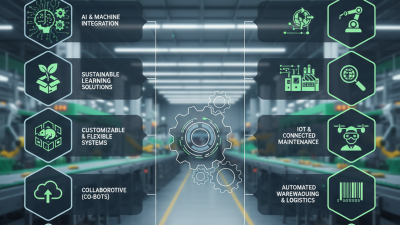
The future of packaging equipment systems is being shaped by emerging technologies. Automation is taking center stage. Machine learning helps systems adapt to different packaging needs. This results in faster production and reduced waste. Companies are investing heavily in robotics to streamline processes. These robots automate repetitive tasks, allowing human workers to focus on more complex challenges.
Sustainability is another critical area. Eco-friendly materials are being developed to reduce environmental impact. Smart sensors are integrated into equipment to monitor resource usage. Real-time feedback enables adjustments to save energy and materials. However, integrating these technologies is not always straightforward. Companies face challenges in training staff and aligning systems.
The packaging industry continues to evolve. Innovations play a vital role in staying competitive. Yet, reliance on technology may pose risks. System failures can disrupt production lines. Companies must balance advancement with reliable operations. As new technologies emerge, companies need to adapt carefully to reap their benefits.
2026 Best Packaging Equipment Systems for Global Buyers
| System Type |
Key Features |
Technology Used |
Process Efficiency |
Market Availability |
| Automated Filling System |
High precision filling, customizable settings |
PLC Control, Sensor Technology |
95% Efficiency |
Global |
| Labeling Machine |
Fast application, adjustable speed |
Digital Control, Vision Systems |
90% Efficiency |
North America, Europe |
| Wrapping Machine |
Robust design, various wrapping styles |
Robotics, Automation |
85% Efficiency |
Asia, Latin America |
| Cartoning Machine |
Versatile carton types, user-friendly |
Mechanical Engineering, AI Integration |
88% Efficiency |
Worldwide |
| Sealing Machine |
Leak-proof sealing, high speed |
Heat Sealing, Ultrasonic Technology |
92% Efficiency |
Europe, Asia |
Future Trends Impacting Global Packaging Equipment Market
The global packaging equipment market is evolving rapidly. Automation is leading this change. Companies are adopting smart technologies, which improve efficiency. These innovations reduce labor costs and enhance precision. Integration of robotics is becoming common. It streamlines operations and minimizes human error.
Sustainability is another key trend. More businesses are focusing on eco-friendly materials. This shift addresses environmental concerns. However, sourcing sustainable materials can be challenging. It requires investment and research. The pressure to reduce waste is growing. Companies must balance cost and environmental responsibility.
Consumer preferences are also shifting. There is a rising demand for personalized packaging. This trend promotes unique branding opportunities. Yet, it poses challenges in production scalability. Adapting to these trends requires foresight and flexibility. Companies must stay informed and prepared for continual change.
2026 Best Packaging Equipment Systems for Global Buyers