Why Choose Automated Packaging Equipment for Your Business Needs?
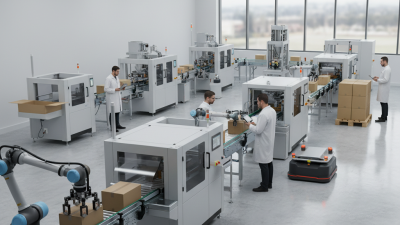
In today's fast-paced business landscape, choosing the right tools is crucial. Automated packaging equipment has emerged as a game-changer for many industries. Experts highlight its significant advantages. According to John Miller, a well-respected expert in the packaging industry, “Automated packaging equipment increases efficiency and reduces operational costs.” His experience emphasizes the importance of this technology.
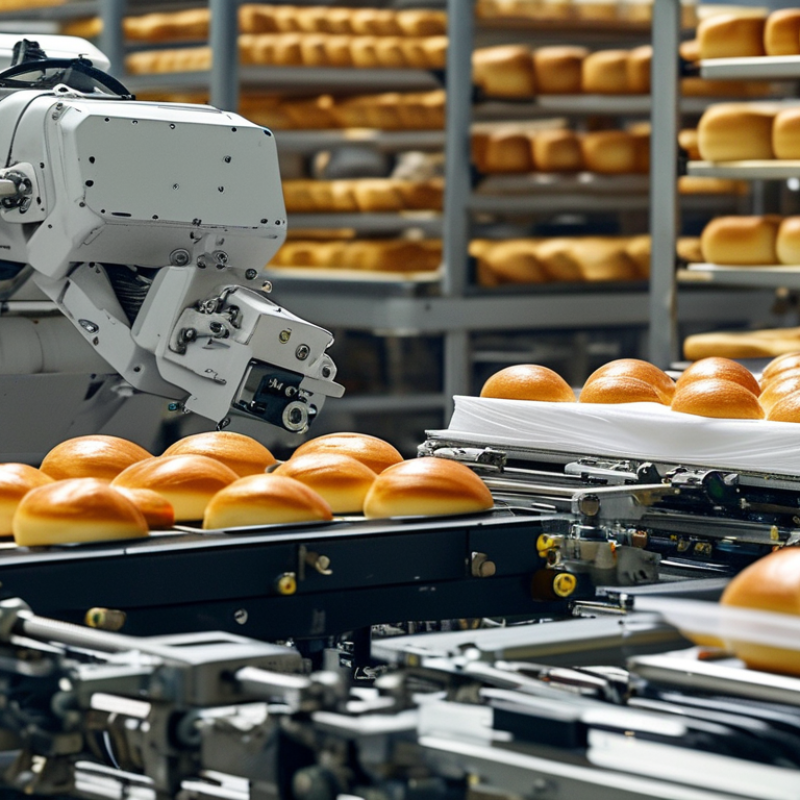
Automated systems streamline processes, allowing companies to focus on growth. These machines minimize human error, ensuring consistent quality. For example, a bakery that uses automated packaging can maintain speed and precision during peak hours. However, businesses must carefully assess their needs before investing. Not all automated systems suit every operation.
While the benefits are clear, challenges do exist. Transitioning to automated packaging can be complex and requires proper training. It's essential to reflect on whether your operation is prepared for such a change. Thoughtful consideration ensures that the shift to automated packaging equipment aligns with long-term business goals.
Benefits of Automated Packaging Equipment in Cost Reduction
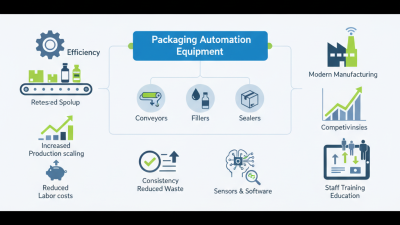
Automated packaging equipment offers significant benefits in cost reduction for businesses. Many companies face rising labor costs and inconsistent packaging quality. Automation can help solve these issues effectively. Often, automated systems reduce labor needs, allowing staff to focus on other critical tasks. This shift can lead to happier employees and improved productivity.
Implementing automated packaging can minimize material waste. It ensures precise measurements and consistent sealing. This reliability can reduce costs associated with returns or damaged goods. Over time, the savings on labor and materials can substantially enhance overall profit margins. Yet, businesses must carefully evaluate their specific needs before investing in such technology. Not every solution fits every scenario, and the transition can present challenges.
Choosing the right automated equipment requires understanding your production line. Customizing these systems can lead to better integration. However, improper setup can cause delays and additional costs. Businesses should thoroughly train employees to navigate potential pitfalls. This preparation ensures automation supports efficiency rather than complicating operations. Balancing these factors can reveal the full potential of automated packaging for cost reduction.
Impact of Automated Packaging on Production Efficiency Metrics
Automated packaging equipment is transforming production efficiency in many industries. By streamlining the packaging process, it significantly reduces labor costs and time. Businesses can package products faster than ever before. This speed contributes to higher production rates and enhanced throughput.
One notable impact is the reduction of packaging errors. Manual packaging often leads to human mistakes. These can result in costly wastage and delays. Automated systems minimize these errors, ensuring consistency and precision. Companies can trust that their products are packaged correctly every time.
Despite these advantages, some businesses may hesitate. Initial investment costs can be high, and the technology may seem daunting. Transitioning from manual to automated systems requires careful planning and training. It’s essential to evaluate whether the potential efficiency gains outweigh these challenges. In some cases, the change may not deliver immediate results, prompting reflection and adjustment in strategy. A thoughtful implementation approach can unlock the full benefits of automated packaging.
Enhancing Product Safety and Quality Through Automation
Automated packaging equipment has become a pivotal component in ensuring product safety and quality. According to a report by Freedonia Group, the automated packaging market is projected to reach $40 billion by 2025, demonstrating a growing trend towards efficiency and reliability. Automation minimizes human error, which can lead to contamination. For instance, products packaged manually may be subject to improper sealing or labeling, increasing the risk of recalls. Automation ensures consistency, which is critical for maintaining product integrity.
Implementing automated solutions can significantly reduce costs related to damaged goods. A study from ARC Advisory Group shows that companies using automation report a 25% reduction in packaging errors. This translates to fewer returns and higher customer satisfaction. In addition, automation enhances traceability. In the event of an issue, the automated system can quickly identify batches, allowing for efficient recalls.
It's also essential to consider the transition to automated systems carefully. Not all equipment is suitable for every type of product or business need. Businesses must assess their specific requirements, such as the type of materials used and the scale of operations. The implementation of automation should come with training for personnel to adapt effectively. Planning and analysis of costs versus benefits are crucial for ensuring success in this transition.
Why Choose Automated Packaging Equipment for Your Business Needs?
| Feature |
Benefits |
Impact on Product |
Cost Reduction (%) |
| Increased Speed |
Faster production rates |
Minimized handling errors |
20% |
| Consistency |
Uniform packaging |
Improved product integrity |
15% |
| Reduced Labor Costs |
Fewer workers required |
Lower operational risk |
30% |
| Enhanced Safety |
Reduced manual handling |
Fewer accidents and injuries |
10% |
| Improved Traceability |
Better tracking of products |
Higher compliance with regulations |
5% |
Trends in the Automated Packaging Market: Statistics and Projections
The automated packaging market is rapidly evolving. Recent statistics indicate a strong growth trajectory, with projections suggesting a market expansion worth billions. This growth is driven by advancements in technology, which enhance efficiency and reduce labor costs. Companies are increasingly adopting automated solutions to keep pace with rising consumer demand.
Trends show a shift towards sustainable packaging options. Many businesses are now prioritizing eco-friendly materials in their automated systems. This strategy not only meets consumer preferences but also aligns with corporate sustainability goals. However, transitioning to automated equipment may pose challenges. Businesses must evaluate their existing processes thoroughly.
Additionally, investment in automated systems demands careful consideration. While the initial cost may be high, the long-term savings can be significant. Companies may need time to train staff on new technology. A lack of expertise could hinder smooth operations. Potential disruptions during implementation highlight the importance of a strategic approach. Balancing costs and benefits is essential for successful integration.
Trends in the Automated Packaging Market: Statistics and Projections
The global automated packaging market has shown significant growth from 2019 to 2023, with a projected increase reaching 65 billion USD by 2024. This chart illustrates the trend, highlighting the increasing demand for automated packaging solutions across various industries.
Comparative Analysis of Labor vs. Automation in Packaging Operations
In today's fast-paced market, businesses often weigh the benefits of labor against automation in packaging operations. Labor-intensive methods have been the norm for decades. Workers bring experience and adaptability, but they may struggle with repetitive tasks.
Fatigue can lead to mistakes, affecting quality. This human factor is significant when considering efficiency and consistency in production lines.
Automated packaging equipment addresses many of these issues. It enhances precision and can operate continuously without breaks. These machines can handle various packaging styles, reducing the risk of errors. However, initial investments for automation can be daunting for small businesses.
The transition requires training and a shift in operational processes. Companies must consider whether the long-term gains justify these upfront costs.
Balancing labor and automation involves careful analysis. There is a risk in choosing one over the other entirely. In some cases, a hybrid approach may yield the best results. This model utilizes the strengths of both systems.
Each operation has unique demands, and understanding these nuances can lead to smarter decisions. Ultimately, the choice between labor and automation should reflect specific business goals and operational realities.