How to Choose the Best Packer Machine for Your Business?
Choosing the right packer machine is crucial for business success. In 2022, the global packaging machinery market was valued at approximately $40 billion, demonstrating strong growth potential. A suitable packer machine can enhance productivity and reduce operational costs significantly.
Moreover, studies show that businesses using advanced packing technologies increase their efficiency by 30%. A reliable packer machine not only streamlines workflow but also ensures product safety. However, selecting the perfect machine can be challenging. Various factors like production volume, product type, and budget must be considered carefully.
It's essential to understand your specific needs and industry standards. Companies often make the mistake of prioritizing cost over quality. This can lead to inefficiencies and additional expenses down the line. Investing time in research and consultation can prevent costly missteps and ensure the best fit for your operation. A packer machine should be viewed as an investment in your business's future.
Factors to Consider When Selecting a Packer Machine for Your Business
Choosing the right packer machine can significantly influence your business's efficiency. Consider the volume of products you need to package daily. A machine that handles your output without delays avoids bottlenecks. Think about the types of products you are packaging. Different materials require specific packaging techniques. It's essential to match the machine's capabilities with your product's needs.
Maintenance is another crucial factor. How often will you need repairs? A machine with higher reliability might save costs in the long run. Consider the ease of obtaining replacement parts. If parts are hard to find, it can lead to downtime. Evaluate the learning curve for your staff. A complex machine may require extensive training. Balance efficiency with usability to keep operations smooth.
Lastly, think about future growth. Choose a machine that can adapt as your business expands. An inflexible machine might hold you back. Reflect on your budget while considering these factors. Striking the right balance between quality and cost is vital. Take your time to weigh each aspect thoroughly.
Understanding Different Types of Packer Machines and Their Applications
When considering a packer machine for your business, understanding different types is crucial. Vertical form-fill-seal machines are popular for their efficiency. They are ideal for packaging items like snacks and powders. These machines create bags from a flat roll of film.
Another option is the horizontal flow wrapper. This machine is commonly used for products like biscuits and candy bars. It wraps items in plastic, providing a tight seal. This method ensures that the product remains fresh. Companies often face challenges in selecting the right machine. They may struggle with industry-specific requirements. Each type of machine offers unique benefits and limitations.
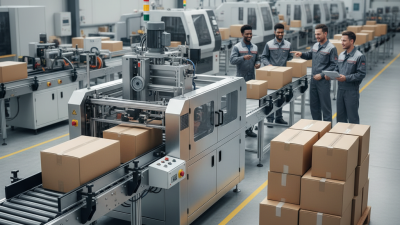
Automatic case packers are worth mentioning too. These machines are designed to place products into boxes. They are efficient for large-scale operations. However, they might not be suitable for smaller businesses. It’s essential to assess your production needs carefully. Balancing cost and functionality can be tricky. Some businesses find that investing in versatility is a wise choice, while others must focus on specific applications. Choosing the right packing equipment requires reflection on your goals and resources.
Evaluating Production Speed and Efficiency Metrics for Packer Machines
When evaluating packer machines, production speed and efficiency metrics are crucial. A machine that operates quickly does not always mean it is the best choice. Look beyond just the numbers. Analyze how speed affects overall output. Consider the complexity of your packaging needs. Speed alone can lead to mistakes and waste.
Efficiency metrics provide deeper insights. Assess both energy consumption and output quality. A fast machine that consumes too much energy can erode profits. Similarly, if the packaging quality is compromised, that can result in returns and losses. Understand how each metric impacts your bottom line. Effective machines balance speed with precision.
Real-world testing is essential. Sometimes theoretical metrics do not translate into practical application. Gather data from actual operations. Observe how machines perform under various conditions. Adjust your criteria based on these findings. What works on paper may not work in practice. Be open to refining your choices.
Production Speed and Efficiency of Packer Machines
Assessing Cost-Effectiveness and Return on Investment in Packing Equipment
When selecting a packing machine, assessing cost-effectiveness and return on investment (ROI) is crucial. According to industry reports, investing in advanced packing technology can reduce operational costs by 20%. However, businesses must carefully analyze both short-term and long-term benefits. Not every machine guarantees faster production or lower costs. Some may have hidden maintenance expenses that can affect overall ROI.
Tip: Gather data on maintenance costs and downtime before making a purchase decision. Reliability of equipment can significantly impact production schedules. Machines with fewer breakdowns improve consistency in output. The average downtime for packing machinery can cost businesses up to $5,000 per hour, making it clear that durability matters.
The initial investment is only part of the equation. Businesses should also prioritize energy efficiency. Reports suggest that energy-efficient systems can save up to 30% on operational costs. Look for machines that offer sustainability metrics. Make sure to analyze how much power your prospective equipment consumes under different operating conditions. Balancing these factors can be challenging but essential for smart financial planning.
Key Industry Trends Influencing the Choice of Packer Machines Today
When selecting a packer machine, several industry trends are shaping businesses today.
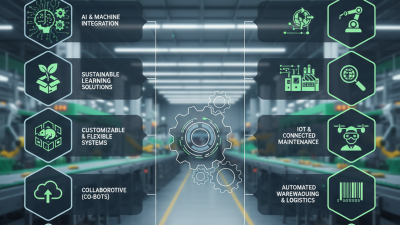
First, automation is on the rise. Companies seek machines that enhance productivity.
Automated packer machines streamline operations. They reduce labor costs and improve consistency.
This advancement is crucial for meeting increasing demand.
Another important trend is sustainability.
Businesses are more focused on eco-friendly packaging solutions.
Packer machines that minimize waste and use recyclable materials are preferred.
Consumers and regulations are driving this change.
It reflects a broader commitment to environmental responsibility, which affects brand loyalty.
Additionally, customization options are becoming vital.
Many businesses look for machines that can be tailored to specific product needs.
This ensures flexibility in packaging styles and sizes. However, balancing customization with efficiency often poses challenges.
Finding the right machine may require careful evaluation and testing.
Moreover, oversight in choosing the wrong features can lead to unexpected costs.