Wpc Deck Flooring Tips for Best Outdoor Spaces?
Wpc Deck Flooring has revolutionized outdoor spaces, combining durability with aesthetic appeal. According to the 2022 Outdoor Living Report, 70% of homeowners now prefer composite decking solutions over traditional materials. This shift reflects a growing awareness of sustainability and maintenance efficiency.
Industry expert Alex Johnson, a leading figure in Wpc Deck Flooring innovation, states, “Quality matters more than ever in decking choices.” His insights highlight the importance of selecting high-quality products that can withstand the elements. Homeowners often overlook the implications of poor choices, leading to premature wear and costly repairs.
While Wpc Deck Flooring provides numerous benefits, potential buyers should be cautious. Not all products are created equal, and some may not perform as advertised. It's essential to conduct thorough research and seek expert opinions before proceeding. This diligence can ensure a beautiful, functional outdoor space that stands the test of time.
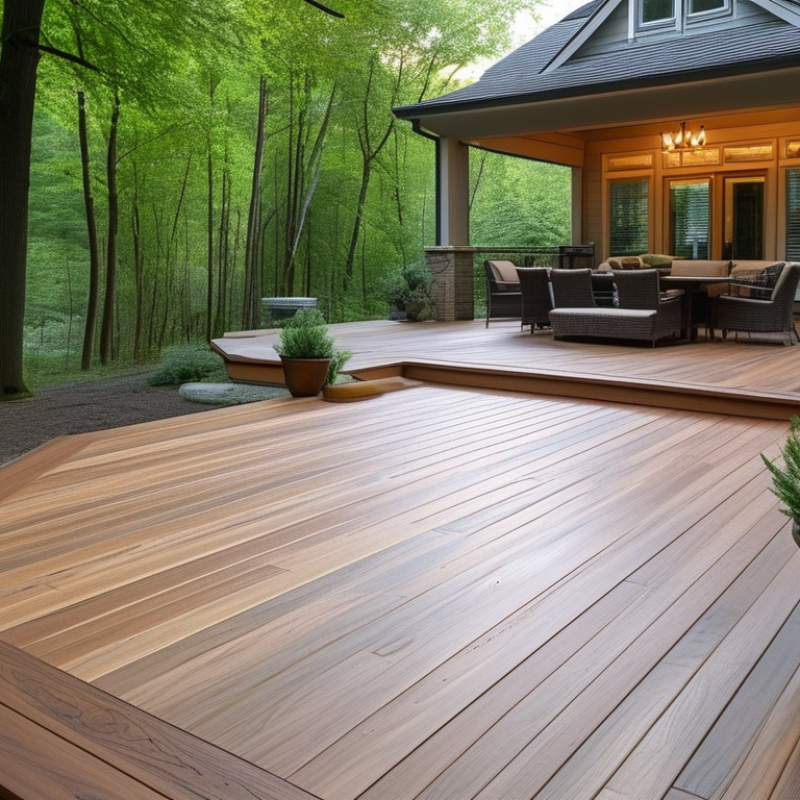
Understanding WPC Deck Flooring: Features and Benefits
WPC deck flooring combines wood fibers and plastic. This blend creates a durable and low-maintenance option for outdoor spaces. The unique composition resists moisture and pests, making it ideal for patios and decks. Unlike traditional wood flooring, WPC does not warp or splinter easily.
Another advantage is its aesthetic appeal. Available in various colors and textures, it mimics natural wood beautifully. Homeowners often prefer WPC for its consistent look. However, improper installation may lead to gaps or buckling. Choosing a skilled installer is crucial to avoid these issues.
WPC flooring is not completely exempt from maintenance. Regular cleaning prevents mold and mildew build-up. Some users report fading in direct sunlight, which can detract from its appearance. Testing samples in your space can help identify potential problems. Proper understanding ensures that you get the best from your investment.
Choosing the Right WPC Decking Material for Your Outdoor Space
Choosing the right WPC decking material for your outdoor space can greatly enhance your area. WPC stands for Wood Plastic Composite, a durable option for outdoor flooring. When selecting the perfect material, consider factors like weather resistance, color, and maintenance needs. Look for options that mirror the natural beauty of wood while providing long-lasting performance.
One tip is to assess the climate in your region. High humidity or heavy rainfall may require more robust materials. Choosing WPC that offers excellent moisture resistance is crucial. Another point to keep in mind is the texture. Some WPC options have a smooth finish, while others have a textured surface for added grip. This feature is especially important in wet conditions.
It's wise to compare different brands and products. Check certifications and customer reviews for reliability. Not all WPC materials behave the same over time; some may warp or fade. Understanding these details can prevent future issues. Take your time to explore options. Investing in quality decking will enhance your outdoor experience beautifully.
WPC Deck Flooring Tips for Best Outdoor Spaces
| Dimension | Description | Tip |
| Material Composition | WPC is made from recycled wood fibers and plastic. This combination offers durability. | Choose a WPC with high wood fiber content for better aesthetics and strength. |
| Weather Resistance | WPC can resist moisture and UV damage, making it ideal for outdoor use. | Opt for products with additional UV inhibitors for longer-lasting color. |
| Maintenance | WPC requires less maintenance compared to traditional wood. | Clean regularly with soap and water to prevent dirt buildup. |
| Installation | Can be installed over existing surfaces, reducing time and cost. | Follow manufacturer guidelines for proper installation methods. |
| Cost | Typically more affordable than high-quality wood, but varies widely. | Compare several options to find the best value without sacrificing quality. |
Installation Tips for a Successful WPC Deck Flooring Project
When embarking on a WPC deck flooring project, preparation is key. Start by measuring your outdoor space accurately. Consider the layout and how you plan to use the area. Choosing the right tools is essential. A circular saw, a drill, and safety gear will make the installation smoother.
Pay attention to weather conditions before installation. High humidity or extreme temperatures can affect the material. If possible, let the boards acclimate to the environment. Layout the planks before fastening them. This allows you to see how they fit together. You may notice uneven edges or gaps that need adjustment. Take your time during this phase.
Securing the boards properly is crucial. Use the right type of fasteners and spacing for your specific WPC material. Mistakes in this area can lead to issues down the line, like warping or separation. Regularly check your progress for consistency. Reflect on any adjustments needed. The objective is to create a durable, appealing outdoor space that suits your needs.
Maintenance Strategies to Enhance Longevity of WPC Decks
WPC (Wood Plastic Composite) decks are popular for outdoor spaces, but maintenance is crucial for longevity. According to the Decking Industry Association, decks made from WPC are expected to last up to 25 years, but only with proper care. Regular maintenance activities are key to ensuring they reach that potential.
Cleaning your WPC deck at least twice a year is essential. Use a mild soap and water mixture to remove dirt and grime. Avoid harsh chemicals; they can damage the surface. Furthermore, always clear debris like leaves and branches to prevent mold growth. Inspecting for splinters or discoloration can help catch problems early.
Another tip is to apply a protective sealant every few years. This not only enhances the deck’s color but also adds a layer of protection against UV rays and moisture. It's worth noting that neglecting these maintenance strategies can lead to costly repairs. In fact, reports suggest that untreated WPC can lose up to 30% of its lifespan. Regular care, although sometimes seen as a chore, is essential for enjoying a beautiful and functional outdoor space for years to come.
Design Ideas to Create Stunning Outdoor Spaces with WPC Flooring
WPC (Wood Plastic Composite) flooring is increasingly popular for outdoor spaces. It combines durability with aesthetic appeal. A study by the American Wood Council indicates that WPC absorbs less water than traditional wood. This makes it an excellent choice for wet climates, preventing rot and mildew.
When designing your outdoor area with WPC flooring, consider blending different colors and textures. A report from the National Association of Landscape Professionals highlights how diverse finishes can enhance visual interest. Use lighter hues for a modern look and darker shades for a more traditional ambiance. Incorporating built-in seating and planters can create a cohesive design.
Remember, while WPC flooring offers many advantages, it's not without flaws. It can fade over time, especially in direct sunlight. Regular maintenance is necessary to keep its appearance. Reflecting on these aspects can help ensure your outdoor space is both beautiful and functional.
