
What Are the Top Types of Roll Thermal Paper?
Roll Thermal Paper is used wherever printed information must appear quickly without ink or toner. A checkout receipt, an ATM slip, and a shipping label may look similar at first glance. Their paper rolls, however, can differ in coating, thickness, width, and intended working conditions. Those details affect print clarity, roll fit, and how well information holds up during handling.
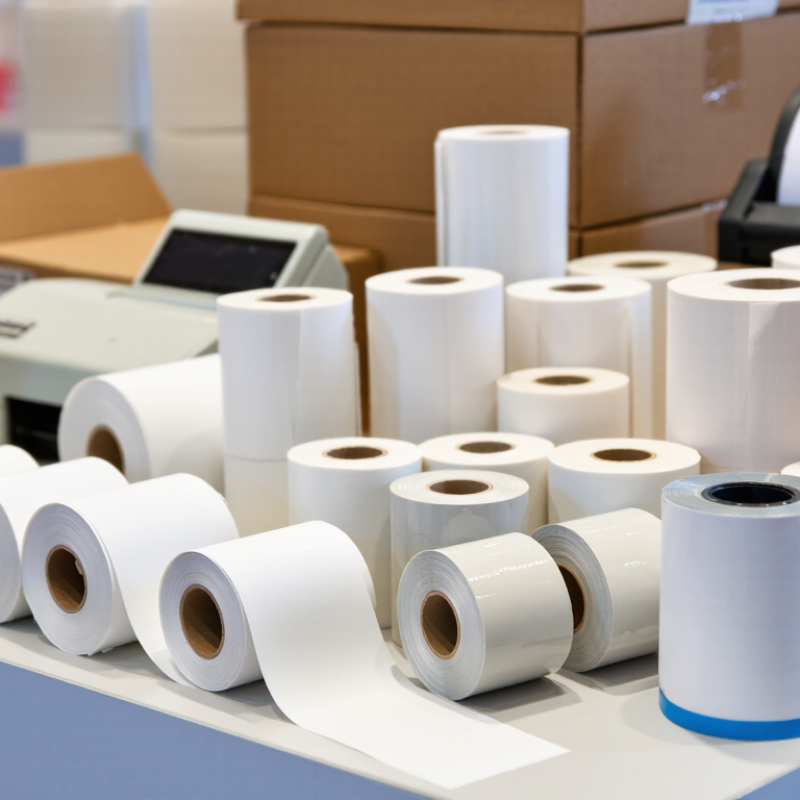
Common types include standard point-of-sale receipt paper, premium or top-coated receipt paper, ATM paper, kitchen or service-counter paper, and direct thermal label stock. Standard rolls suit many indoor transactions. Top-coated grades add a protective layer that can help prints resist handling, light, or moisture, though performance varies by product. ATM rolls are selected for equipment fit and consistent feeding. Kitchen rolls need legible output in busy environments, while label stock uses an adhesive backing for applying printed labels to products or parcels. Not every roll suits every machine.
Choosing well takes more than matching a roll’s width. Check the printer’s specified width, roll diameter, core size, and paper grade before ordering. Consider the setting, too: a receipt kept briefly has different needs from a label handled throughout delivery. Ask suppliers for technical specifications and, when possible, test a sample in the actual printer. A thicker sheet is not automatically better. Nor does a premium coating guarantee long-term readability under every storage condition. The categories provide a useful starting point, but real-world performance still deserves a closer look.
What Thermal Paper Rolls Are and How They Work
What Are the Top Types of Roll Thermal Paper?
What Thermal Paper Rolls Are and How They Work
Thermal paper rolls are paper webs wound around a cardboard core. Their surface carries a heat-sensitive coating, usually containing a color-forming dye and a developer. Inside a receipt printer, a thermal printhead heats tiny selected points. The coating darkens at those spots, forming text or images without ink or toner. Quiet and quick, the process suits checkout counters and ticket machines.
The main distinction is between standard and top-coated direct thermal rolls. Standard rolls work well for short-lived receipts. Top-coated grades add a protective layer against moisture, oils, and handling. Some rolls are also made without BPA; formulations vary, so “BPA-free” does not automatically mean free of every phenolic developer. Grand View Research valued the global thermal paper market at USD 4.2 billion in 2022 and projected 5.2% annual growth from 2023 to 2030. That estimate reflects broad demand across applications, not roll quality.
A common point of confusion: thermal-transfer printing also uses heat, but transfers ink from a ribbon. It is not the same as direct thermal paper. For day-to-day use, match roll width, core size, and printer requirements, then consider how long the print must remain readable. Heat, sunlight, and friction can fade images. Easy to miss. Even a good roll cannot prevent that.
| Type | How It Works or Is Constructed | Common Roll Widths | Typical Uses | Selection Considerations |
|---|---|---|---|---|
| Standard direct thermal receipt paper | A heat-sensitive coating darkens where the printer’s thermal head applies heat. It requires no ink or toner. | Often 57–58 mm or 80 mm; roll diameter and core size vary by printer. | Retail and restaurant receipts, point-of-sale transactions, and payment terminals. | Check the printer’s specified width, maximum roll diameter, core size, and paper compatibility. Image life can be affected by heat, light, friction, and some chemicals. |
| Top-coated thermal paper | Has a protective layer over the heat-sensitive coating. The added layer can help resist moisture, oils, abrasion, or handling, depending on the paper’s formulation. | Available in receipt and label-roll widths; exact sizes depend on the printer and application. | Receipts or records that may be handled frequently or exposed to more demanding conditions. | “Top-coated” does not mean permanently archival or waterproof. Confirm the product’s tested resistance and the printer’s compatibility. |
| Direct thermal label stock | Uses heat-sensitive face material, typically supplied as labels on a roll. Many versions include an adhesive and release liner. | Widths vary widely with label size and printer; narrow shipping and product labels are common. | Shipping, inventory, shelf, food-date, and identification labels. | Match label width, gap or black-mark sensing, roll direction, core, and outer diameter to the printer. Direct thermal labels can fade with prolonged heat, light, or friction. |
| Linerless thermal paper | Direct thermal material with a release surface and adhesive, supplied without a separate backing liner. The roll can be cut to the required label length. | Roll widths are application-specific and must match the printer and cutter. | Variable-length receipts or labels, including some food-service and logistics workflows. | Requires a printer designed for linerless media. Check adhesive behavior, cutter compatibility, and whether the media can be repositioned or removed cleanly. |
| Synthetic direct thermal media | Uses a synthetic face material rather than conventional paper, with a heat-sensitive imaging layer. | Commonly supplied in application-specific label widths rather than one standard roll size. | Labels needing greater tear or moisture resistance than ordinary paper labels can provide. | Resistance varies by material and coating. Verify printer compatibility, print settings, adhesive requirements, and environmental performance. |
| Ticket and entry thermal rolls | Direct thermal paper converted into rolls for ticket printers; some formats include marks or other features for printer sensing. | Width, core, and roll diameter depend on the ticket printer; narrower ticket formats are common. | Queue, event, parking, and transport tickets. | Confirm sensing method, ticket length, roll winding direction, and any required security or durability features. |
| Kiosk and ATM thermal rolls | Direct thermal paper supplied in larger rolls for printers designed for unattended or high-volume use. | Widths and diameters vary by equipment; some systems use wider media than standard receipt printers. | Self-service kiosks, information terminals, and automated transaction records. | Check the machine’s maximum roll diameter, core, width, paper weight, and loading requirements. Consider storage conditions and the required readability period. |
How thermal printing works: A thermal print head selectively heats the coated surface, creating an image without a ribbon, ink, or toner. Roll dimensions and performance specifications vary by printer and paper construction, so confirm the equipment requirements before ordering.