Top 10 Seaweed Fertilizer Products from China for Global Buyers?
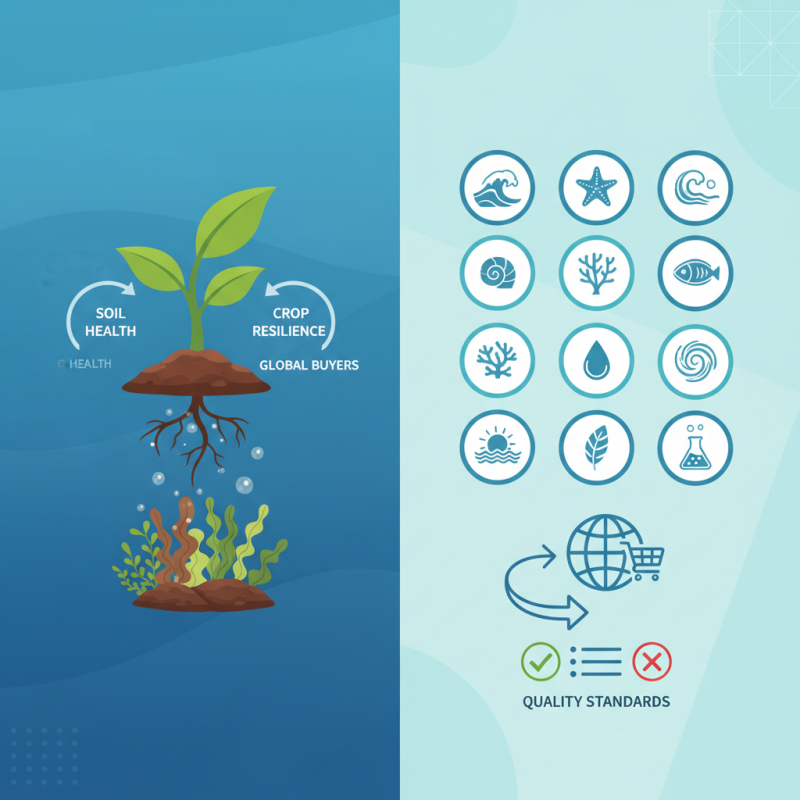
Seaweed Fertilizer has emerged as a vital component in sustainable agriculture, especially in a rapidly changing climate. According to Dr. Lin Zhao, a renowned expert in agricultural sciences, "Seaweed Fertilizer boosts crop resilience and promotes soil health." This highlights the transformative impact of seaweed-based products on farming practices.
Global buyers are increasingly turning to China for high-quality Seaweed Fertilizer options. The vast coastline and rich marine biodiversity provide an abundance of seaweed varieties, each offering unique benefits. These fertilizers enrich the soil with essential nutrients, enhancing plant growth and yield. The benefits extend beyond just agricultural productivity; they contribute to environmental sustainability.
However, not all Seaweed Fertilizer products are created equal. Variations in processing methods and ingredient quality can affect effectiveness. Buyers must carefully evaluate options to ensure compliance with agricultural standards. Awareness of these nuances is critical for making informed decisions in this growing market.
Top Benefits of Using Seaweed Fertilizer in Agriculture
Seaweed fertilizers have gained popularity in agriculture due to their numerous benefits. These organic fertilizers improve soil health and promote plant growth. According to a study by the University of California, seaweed extracts can boost crop yields by 15-20%. This increase is attributed to natural growth hormones in seaweed, such as auxins and cytokinins.
Using seaweed fertilizers also helps enhance soil structure. They increase microbial activity, which is crucial for nutrient cycling. Healthy soil leads to better water retention and aeration. Research from the Journal of Agricultural Science shows that adding seaweed can improve soil quality by 30%. This is a sustainable method to enrich soils, particularly in regions with erosion or nutrient depletion.
Tip: When using seaweed fertilizers, consider a soil test first. Knowing your soil's needs can enhance effectiveness.
Another benefit is that seaweed fertilizers can enhance plants’ resistance to diseases and pests. This can reduce the need for chemical pesticides, contributing to a healthier environment. A study from the International Journal of Tropical Agriculture notes that crops treated with seaweed extracts showed 40% more resistance to common pests. The natural components in seaweed boost the plant's immune system.
Tip: Apply seaweed fertilizers at the right growth stage for maximum benefits. Timing can impact growth and yield.
Top 10 Seaweed Fertilizer Products from China for Global Buyers
Key Features to Look for in Quality Seaweed Fertilizers
When choosing quality seaweed fertilizers, buyers should consider several key features. The extraction method of the seaweed is critical. Cold extraction preserves nutrients better than heat methods. Nutrients like nitrogen, potassium, and trace minerals are vital for plant growth. Look for fertilizers that list their nutrient content clearly. Transparency is a sign of reliability.
Another important aspect is the source of the seaweed. Sustainably harvested seaweed supports marine ecosystems. It also ensures that the product is rich in bioactive compounds. Active compounds like alginates and cytokinins stimulate plant growth. A quality product should demonstrate these benefits, promoting healthier plants.
Texture and solubility are also worth considering. A good seaweed fertilizer should dissolve easily in water. This allows for better absorption by plants. Users often overlook the packaging, but it plays a role too. Ensure the packaging protects the product from moisture. Reflecting on these features helps in making informed choices. Manufacturers can improve by ensuring consistency in nutrient levels and sourcing practices.
Overview of the Leading Seaweed Fertilizer Manufacturers in China
The seaweed fertilizer market in China is growing rapidly, driven by increased global demand. According to a recent industry report, the market is projected to reach approximately $1.2 billion by 2025, with a compound annual growth rate (CAGR) of 8.5%. This growth is attributed to the rising awareness of sustainable agriculture practices and the benefits of bio-based fertilizers.
Several manufacturers lead the industry. They focus on producing high-quality seaweed extracts, which are rich in bioactive compounds. These compounds enhance plant growth, improve soil health, and increase crop yields. However, some manufacturers face challenges in ensuring consistent product quality. Variability in seaweed sourcing can impact the effectiveness of fertilizers, raising concerns for buyers.
Green certifications and adherence to quality standards are becoming essential for manufacturers. Reports indicate that products certified by recognized organizations show higher market acceptance. However, some manufacturers struggle to meet these standards due to limited resources. Investing in better techniques and technologies could improve product quality and consumer trust in the long run.
Top 10 Seaweed Fertilizer Products from China for Global Buyers
| Product Type | Form | Nutrient Content (%) | Packaging Size (kg) | Application Method |
| Liquid Seaweed Fertilizer | Liquid | 5-10% (NPK) | 1, 5, 20 | Foliar Spray |
| Granular Seaweed Fertilizer | Granular | 3-6% (NPK) | 5, 10, 25 | Soil Application |
| Seaweed Extract Powder | Powder | 20-25% (K) | 1, 2, 5 | Mixed with Water |
| Organic Seaweed Fertilizer | Pellets | 6-8% (NPK) | 10, 15, 20 | Soil and Foliar |
| Seaweed-Based Biofertilizer | Liquid | 4-7% (N, P, K) | 500 ml, 1 L | Foliar and Soil |
| Liquid Organic Fertilizer | Liquid | 5-10% (NPK) | 250 ml, 1 L | Foliar Spray |
| Neem Seaweed Fertilizer | Liquid | 3-5% (NPK) | 1, 5, 10 | Foliar Spray |
| Seaweed Compost | Solid | 4-6% (NPK) | 5, 10, 25 | Soil Application |
| Kelp Fertilizer Concentrate | Liquid | 1-3% (N, P, K) | 500 ml, 1 L | Diluted in Water |
| Enhanced Seaweed Fertilizer | Granular | 5-7% (NPK) | 5, 10, 20 | Soil Application |
Comparison of Different Types of Seaweed Fertilizer Products
Seaweed fertilizers have gained popularity for their environmentally friendly properties. Various types are available, each offering unique benefits to plants. There are liquid, granular, and powdered forms. Liquid seaweed fertilizers are easy to apply and quickly absorbed by plants. Granular types release nutrients gradually, making them ideal for long-term feeding. Powders are concentrated and often mixed with water before application.
In choosing a seaweed fertilizer, consider its origin. Some regions produce fertilizers rich in specific nutrients. Ascophyllum nodosum is a popular seaweed known for its effectiveness. Different seaweed varieties can influence plant growth rates and health. Testing the soil beforehand can ensure the selected product is beneficial.
Tips: Always follow the manufacturer’s guidelines for application rates. Overuse may lead to nutrient imbalances. Observe plant responses to identify potential adjustments. Every garden is unique; what works for one may not work for another. Experimenting with small amounts can yield insights into what best suits your needs.
How to Choose the Right Seaweed Fertilizer for Your Crops
When selecting the right seaweed fertilizer for your crops, consider the specific needs of your plants. Different crops absorb nutrients differently. Understanding your crop’s nutrient profile can guide your choice. Look for information on potassium, nitrogen, and trace elements. The composition of the seaweed fertilizer can vary widely.
Consider the type of seaweed used. Not all seaweeds are created equal. Some may offer higher nutrient concentrations and bioactive compounds. Knowing the harvest season and processing methods is also key. Freshly harvested seaweed may provide more benefits than older samples. Check for sustainability practices too; responsible sourcing is vital.
Application methods are important as well. Some fertilizers work better as foliar sprays, while others are effective when mixed into the soil. Analyze your farm's soil condition to determine the best approach. Be open to experimentation; results may vary. Keeping detailed records of your crop responses will improve future decisions. Always be willing to adjust based on what works best in your unique environment.
