Top You Packaging Trends You Should Know About?
The packaging industry is undergoing significant transformations. In 2023, the global packaging market was valued at approximately $1 trillion. This figure illustrates the critical role packaging plays in the economy. You packaging trends are essential for businesses to understand, given their constant evolution.
Sustainability remains a crucial focus. According to a recent study by Smithers Pira, 74% of consumers are willing to pay more for sustainable packaging. Brands are challenged to provide eco-friendly solutions while maintaining product integrity. There is a growing demand for innovative materials and designs. Though many companies are making strides, not all successfully integrate sustainability into their practices.
The rise of e-commerce is reshaping packaging needs. Around 20% of all retail sales are now conducted online. This shift impacts how products are packaged and shipped. You packaging must now be functional yet visually appealing. It is essential to strike a balance between protection and presentation. Brands that fail to adapt may lose market share. There can be a disconnect between the design process and consumer expectations, leading to missed opportunities.

Emerging Sustainable Materials in Packaging Design
The push for sustainable packaging is gaining momentum. Recent studies indicate that around 70% of consumers prefer eco-friendly packaging. This shift reflects a growing awareness of environmental issues. Sustainable materials are at the forefront of this change.
Biodegradable plastics are often made from renewable resources like cornstarch. These materials break down more quickly than traditional plastics. However, the production process can still be energy-intensive. Many companies are reevaluating their use of these materials. A report found that organizations using biodegradable options saw a 30% reduction in waste.
Another trend is recycled paper and cardboard. These materials are not only recyclable but also biodegradable. Statistics show that using recycled content can decrease carbon emissions significantly. Yet, sourcing high-quality recycled materials remains a challenge. The industry still grapples with contamination issues. Brands should strive for more effective recycling systems to ensure quality. The journey towards sustainable packaging is complex and requires continuous improvement.
Top Packaging Trends: Emerging Sustainable Materials in Packaging Design
This chart illustrates the growth rates of various sustainable materials in packaging design over the past five years. The materials included are biodegradable plastics, recycled paper, and plant-based materials, highlighting the increasing focus on environmentally friendly options in the industry.
The Role of Minimalism in Modern Packaging Aesthetics
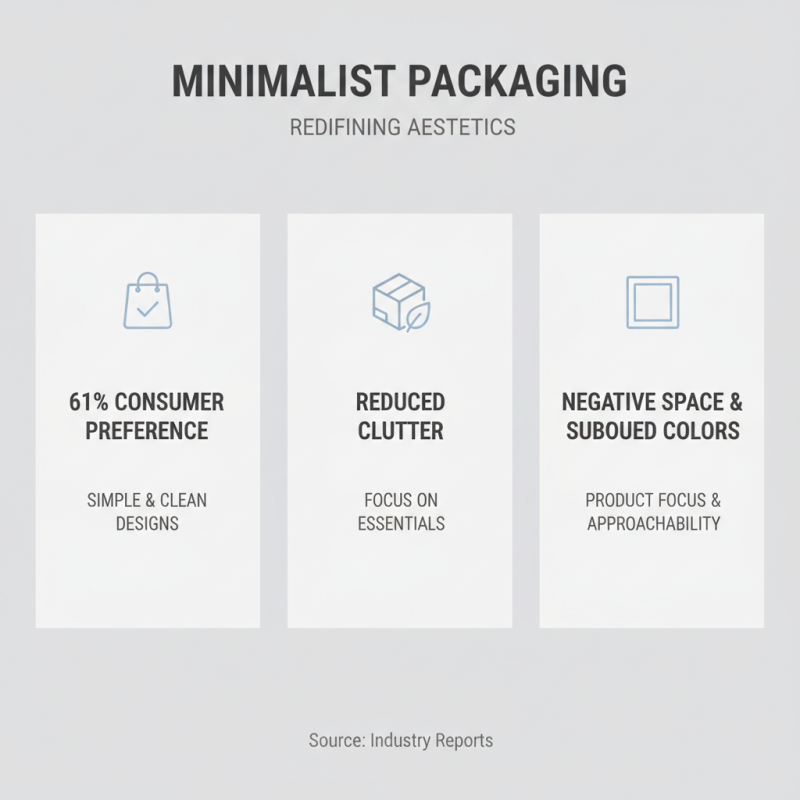
Minimalism is redefining packaging aesthetics in today's market. Reports indicate that 61% of consumers prefer packaging that is simple and clean. This trend is pushing brands to design packages that reduce clutter and focus on essential information. The use of negative space and subdued colors draws attention to the product itself rather than extravagant graphics. This shift makes products more relatable and approachable.
Moreover, minimalism in packaging often aligns with sustainability goals. Many brands are adopting eco-friendly materials that complement minimalist designs. Research suggests that 72% of consumers are willing to pay more for sustainable packaging. This indicates a growing preference for aesthetics that not only look good but also align with values. However, achieving the perfect balance between beauty and functionality remains a challenge. Too much simplicity can risk undermining brand identity. Brands must strive for a unique voice while keeping it uncomplicated.
An effective minimalist design requires careful thought. It should convey the brand’s story without overwhelming the consumer. Many designs fail due to over-simplification, leading to confusion. Striking the right balance between elegance and communication is vital. The packaging should invite customers in, making them feel intrigued yet informed. Minimalism can elevate a product, but it demands reflection and innovation.
Integrating Technology: Smart Packaging Innovations
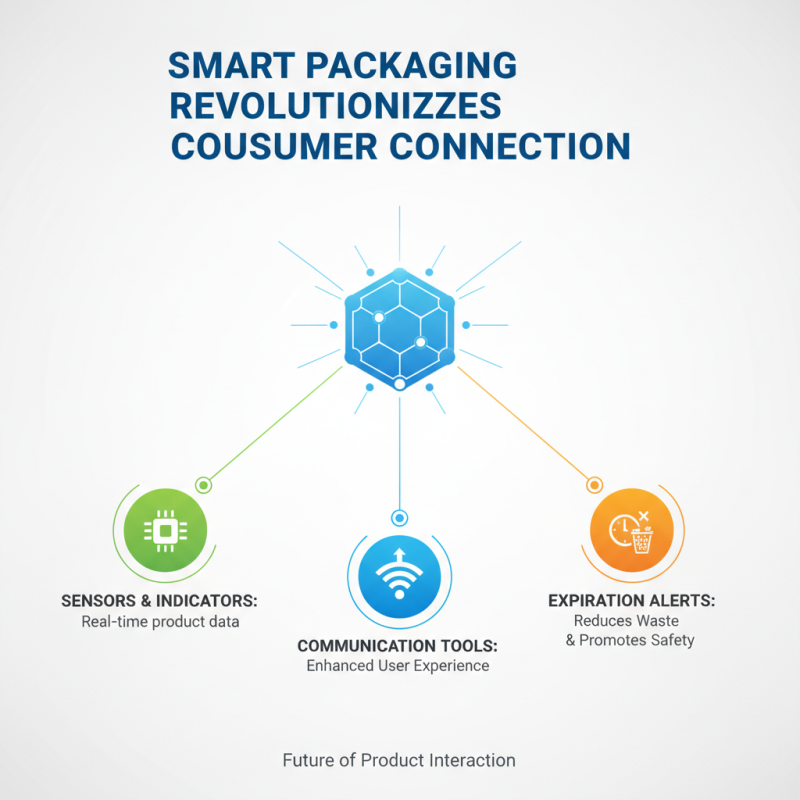
Smart packaging is revolutionizing how products connect with consumers. This technology goes beyond traditional packaging. It incorporates sensors, indicators, and communication tools to enhance user experience. For instance, some packages can alert consumers when products are nearing expiration. This not only reduces waste but also promotes safety.
Innovations in smart packaging allow real-time tracking of goods. This helps in logistics and inventory management. Imagine receiving a notification on your phone when your food delivery is nearby. It's nearly here! Moreover, augmented reality features on packaging can create interactive experiences. Consumers can scan products to access information like recipes or safety tips.
However, the adoption of smart packaging faces challenges. Many brands are still hesitant to invest heavily. There is a need to balance cost with consumer benefits. Technology can sometimes overwhelm users. Simple, intuitive designs are essential to keep the interaction seamless. Exploring these innovations requires ongoing reflection on how we connect with our products.
Customization Trends: Personalized Packaging Experiences
Personalized packaging experiences are reshaping the industry. Consumers crave individuality. According to a recent study, 72% of consumers express a desire for personalized products. Custom packaging enhances this desire. Brands can tap into emotional connections through tailored designs.
Creating a unique customer journey is vital. Consider using variable data printing. This technology allows for customization at scale. For instance, custom names or messages can appear on packaging. It adds a personal touch that engages customers. A recent report notes that personalized packaging can increase sales by up to 20%.
Tip: Make your packaging interactive. Use QR codes to link to personalized content. This can create a memorable experience. Also, remember that not all products fit into a personalized category. It's crucial to evaluate whether your product truly benefits from personalization. Analyze feedback continuously to refine your approach.
The Shift Towards Reusable and Refillable Packaging Solutions
The demand for reusable and refillable packaging is on the rise. Consumers are becoming increasingly aware of environmental issues. They want to reduce waste and support sustainable practices. This trend is forcing brands to rethink their packaging strategies. Traditional single-use packaging is falling out of favor.
Reusable packaging can take many forms. It includes containers, bottles, and bags made for multiple uses. These products often feature innovative designs. They are easy to clean and refill, making them convenient for consumers. However, not all companies are willing to invest in these solutions. Some still prioritize convenience over sustainability. This inconsistency can lead to consumer frustration.
Refillable systems are also gaining traction. Stations for refilling beverages or personal care products are popping up in stores. These systems are eco-friendly and cost-effective. But not every location has access to these options. This limits the effectiveness of refillable packaging. There is still much work to be done in this area. A shift toward better infrastructure is necessary for true change.