Top 10 Package Bags for Global Buyers To Consider?
In the ever-evolving world of packaging, the choices can be overwhelming. According to Daniel R. Smith, an industry expert and author, “Choosing the right Package Bags is crucial for product success.” This statement emphasizes the importance of selecting the right materials. Package bags serve as more than just containers; they represent a brand’s identity and sustainability commitment.
For global buyers, identifying the best package bags requires attention to detail. Factors such as durability, eco-friendliness, and style cannot be overlooked. Take, for instance, biodegradable options that resonate well with environmentally conscious consumers. The materials used can significantly affect not only the product’s safety but also its marketability.
However, mistakes often occur. Buyers may overlook essential factors like storage and transportation needs. Some may prioritize aesthetics over functionality, leading to damaged goods. These reflections on the nuances of package bags highlight the complexity of making informed choices. The aim is to find balance in practicality, cost, and branding.
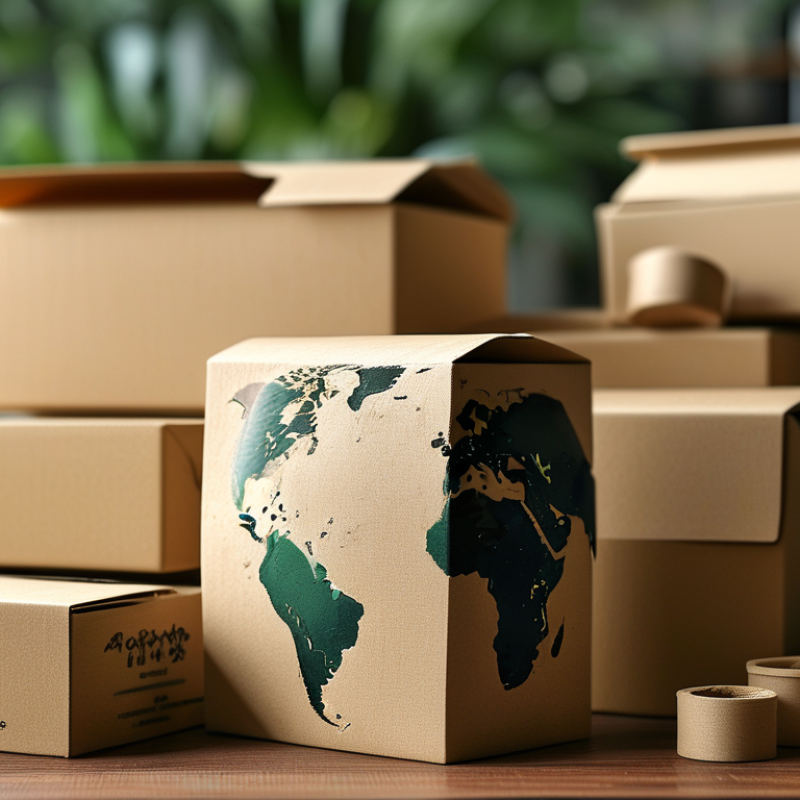
Top 10 Package Bags for Global Buyers: An Overview
In the competitive landscape of global trade, choosing the right package bags is crucial. Packaging not only protects products but also influences consumer perception. According to industry reports, nearly 72% of consumers believe that packaging affects their purchasing decisions. This statistic highlights the importance of selecting bags that align with your brand values and meet customer expectations.
The environmental impact of packaging materials cannot be overlooked. A recent study revealed that nearly 55% of consumers prefer eco-friendly packaging options. This trend is driving brands to explore sustainable materials like biodegradable plastics and recycled papers. However, it’s essential to analyze the cost-effectiveness of these alternatives. Many companies find that switching to sustainable options increases production costs, which may deter some buyers.
Market research indicates that the demand for custom-sized package bags is on the rise. Companies aim for packaging that minimizes waste while maximizing safety. However, producing bespoke bags can lead to overstock issues if demand fluctuates. This is an area where brands need to find a balance. Emphasizing flexibility in ordering and production can help mitigate risks while catering to varied customer needs. Thus, it's vital for global buyers to evaluate both trends and challenges in the packaging sector effectively.
Criteria for Selecting the Best Packaging Bags
When selecting packaging bags, several criteria matter. Evaluate the material type first. Different materials offer varying levels of durability and moisture resistance. Consider biodegradable options for an eco-friendly approach. Sustainability is essential today. Customers are increasingly looking for greener choices.
Next, focus on size and shape. Proper dimensions ensure products fit snugly. This reduces damage during transport. Special shapes might attract more attention on shelves. A unique design can elevate a brand’s appeal. However, do not overlook functionality. A bag that is difficult to open can frustrate customers.
Quality control is another vital area. Ensure that the bags undergo rigorous testing. They need to withstand different conditions. Poor quality can lead to product loss, impacting revenue and trust. It's worth noting that designs can evolve. Regular feedback from users can lead to improvements. This reflection helps in refining the selection process.
Sustainable Material Options for Eco-Friendly Packaging
When selecting package bags, sustainability is a key factor for global buyers. Eco-friendly materials can significantly reduce environmental impact. Biodegradable and compostable options are gaining popularity. These bags break down naturally, minimizing waste. Companies using these materials can show commitment to the planet.
Recycled paper and plant-based plastics also provide sustainable choices. Paper bags can be reused and recycled easily. They often contain less harmful chemicals than traditional options. However, sourcing these materials responsibly is crucial. Many suppliers may claim eco-friendliness without proper certification. Buyers should be vigilant and seek transparency in material sourcing.
Additionally, the concept of durability is often overlooked. Eco-friendly materials must also be strong enough for daily use. Some bags may rip easily, causing frustration for consumers. Striking a balance between sustainability and functionality is essential. Ultimately, customers want reliable packaging that protects their products while being kind to the environment.
Top 10 Sustainable Packaging Materials
Popular Types of Packaging Bags Used Worldwide
When exploring popular types of packaging bags used worldwide, it’s essential to consider materials, functionality, and environmental impact. Different industries utilize various packaging options to meet their specific needs.
Plastic bags remain widely used for their versatility and durability. They are lightweight and can be produced in various sizes. Yet, consumers increasingly favor biodegradable options. This shift reflects a growing awareness of environmental concerns.
Paper bags, on the other hand, offer a sustainable alternative. They are recyclable and can be crafted from recycled materials. However, they are less water-resistant and may not suit all products. The choice between plastic and paper often depends on the product’s nature.
Tips: Always evaluate the end-use of your product when selecting packaging. Understand your audience's preferences. Keep environmental implications in mind, alongside cost considerations.
Innovative Designs and Features in Modern Packaging Bags
In today’s competitive market, packaging bags have evolved significantly. Modern designs are not just about aesthetics; they focus on functionality and sustainability. Many innovative package bags now utilize biodegradable materials. This trend addresses environmental concerns while appealing to eco-conscious consumers.
Furthermore, features like resealable closures and easy-to-open designs enhance user convenience. Some bags even incorporate new technology. For instance, QR codes can provide product information or sustainability metrics. These elements create an interactive experience for buyers.
Despite the progress, there are still gaps in design efficiency. Some packaging bags lack durability, leading to product damage during transit. Addressing this issue requires constant innovation and testing. Continual feedback from users is essential to refine designs further. The right balance between style and practicality is crucial for success in the ever-evolving packaging industry.
