Top Food Packaging Machines of 2026 What Buyers Need to Know
As the food industry evolves, the role of the food packaging machine becomes increasingly significant. By 2026, advancements in technology will reshape how food products are packaged. Buyers must stay informed about these changes to make the right choices.
Investing in a food packaging machine is not just a decision; it’s a commitment to quality and efficiency. A reliable machine can enhance shelf life and reduce waste. However, navigating the vast market can feel overwhelming. Choices abound, each with different features and capabilities.
Potential buyers should consider specific needs and production goals. Not all machines are created equal, and selecting the right one can impact overall success. Reflecting on past experiences can guide these decisions. Understanding the nuances of different machines will improve packaging processes. Making informed choices leads to better outcomes in both quality and sustainability.
Overview of Food Packaging Machines Market Trends in 2026
The food packaging machines market is evolving rapidly. Industry reports indicate a growth rate of over 5% annually, driven by technological advancements. Automation and smart packaging are becoming increasingly prominent. These trends align with consumer demands for efficiency and sustainability.
Flexibility in packaging is crucial in this dynamic market. Manufacturers need versatile machines that can handle various products. Equipment that adapts to different package sizes and formats is a game changer. However, not all machines meet this requirement. Some companies may struggle with outdated technology, leading to operational inefficiencies.
Sustainability is another key trend. Many consumers prefer eco-friendly packaging. Reports suggest that over 60% of consumers are likely to pay more for sustainable options. This shift puts pressure on manufacturers to adapt. Nevertheless, transitioning to greener practices can be challenging. Balancing cost with innovation remains a top concern for many in the industry.
Food Packaging Machines Market Trends in 2026
Key Features to Consider When Buying Food Packaging Machines
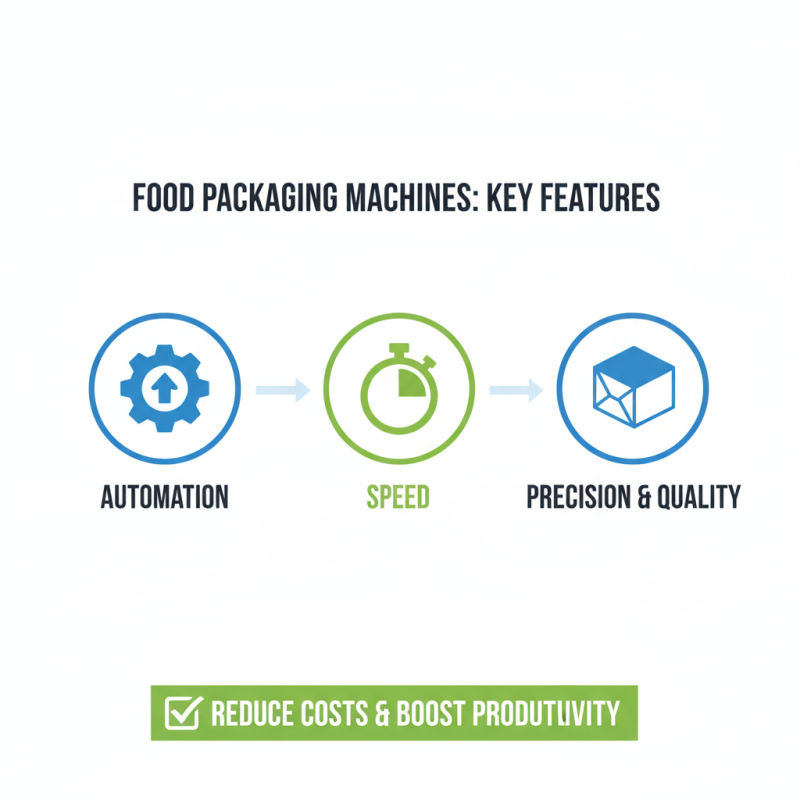
When selecting food packaging machines, understanding key features is essential. The first aspect is automation. Automated machines reduce labor costs and enhance productivity. They offer precision that manual processes often can't achieve. It’s important to evaluate the speed of the machine. Faster machines can handle larger volumes, but be aware of how speed impacts product quality.
Next, consider the machine's flexibility. A versatile packaging machine can accommodate various product sizes and types. This adaptability is crucial for businesses often changing their product lines. However, some machines may sacrifice quality for versatility. Reviewing user feedback can shed light on performance issues.
Lastly, maintenance and support systems are vital. Easy-to-maintain machines can save time and cost. Ensure the equipment comes with solid support from manufacturers. No machine is perfect, and a good support system can help address unexpected challenges. Prioritize reliability, but remain vigilant about potential shortcomings. This approach will lead to more informed purchasing decisions.
Top Food Packaging Machines of 2026: A Comparative Analysis
As we look towards 2026, the landscape of food packaging machines is evolving rapidly. This shift is driven by technological advancements and changing consumer preferences. According to industry analysis, the global food packaging machinery market is projected to reach $53 billion by 2026, growing at a CAGR of over 5% from 2021. This growth reflects an increasing need for efficiency and sustainability in food packaging solutions.
One pivotal area of development is automation. Many food manufacturers are turning to automated packaging lines to enhance productivity. Automation can reduce labor costs while improving consistency and quality. In fact, reports indicate that automated systems can increase packaging speed by up to 30%, a significant advantage in the fast-paced food industry. However, the initial investment can be substantial, requiring careful financial planning.
Sustainability also remains paramount. Consumers are demanding eco-friendly packaging options, prompting manufacturers to rethink materials. Many companies are now exploring biodegradable and recyclable materials. This transition poses challenges, including sourcing reliable suppliers. Also, not all sustainable materials perform well under varying storage conditions. Striking the right balance between performance and environmental impact is vital. As these trends continue to unfold, ongoing research and analysis will be essential for buyers to navigate this complex market effectively.
Sustainability in Food Packaging: Upcoming Innovations
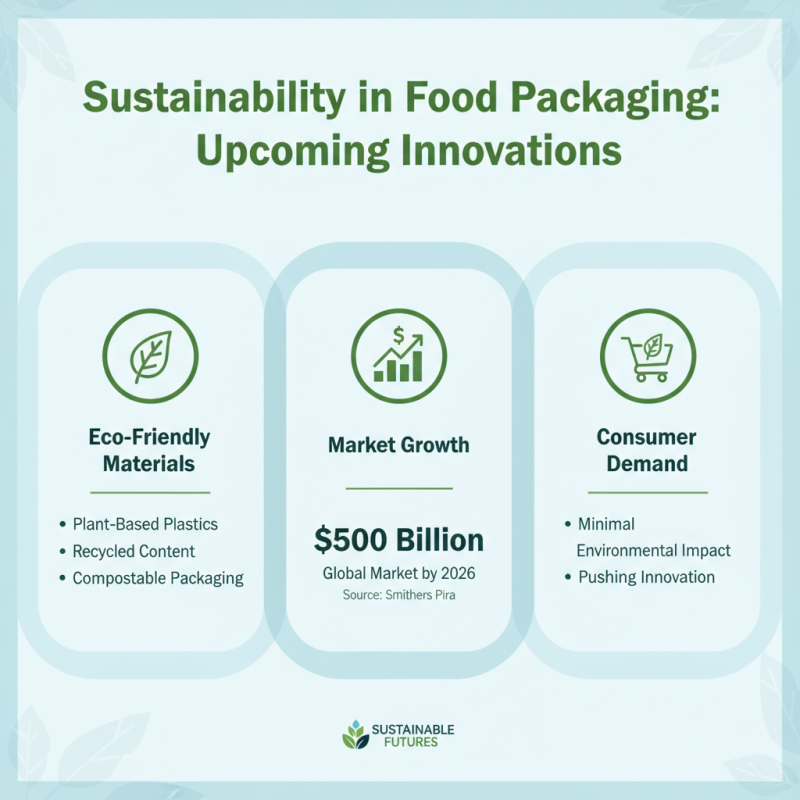
Sustainability is a hot topic in food packaging. Many brands are turning to eco-friendly materials. According to a recent report by Smithers Pira, the global sustainable food packaging market is expected to reach $500 billion by 2026. Consumers are demanding packaging that has minimal environmental impact. This shift is pushing manufacturers to innovate.
Biodegradable and compostable materials are leading this change. Innovations like plant-based plastics are gaining traction. These materials reduce reliance on fossil fuels. However, challenges remain. Many biodegradable options still require specific conditions to decompose effectively. This can lead to confusion among consumers about disposal methods.
Another critical aspect is consumer education. Many shoppers do not fully understand the benefits of sustainable packaging. As much as 70% of consumers prefer products with clear sustainability claims. Yet, if the packaging is not informative, consumers may not choose wisely. Transparency in these innovations is essential to shape consumer behavior and drive demand. The journey towards sustainable food packaging remains a work in progress, requiring input from all stakeholders.
Future-Proofing Your Investment: Maintenance and Support Options
As the food industry evolves, so do food packaging machines. Unlike previous years, buyers today must consider maintenance and support options. Investing in reliable support safeguards the longevity of equipment. A report from the International Packaging Association highlights that 30% of operational downtime is attributed to machine maintenance. Keeping machines running is critical.
Understanding maintenance schedules is essential. Regular servicing can prevent unexpected failures. A survey showed that 65% of companies faced production delays due to inadequate machine upkeep. Incorporating predictive maintenance can reduce costs. Issues can be identified before they cause significant disruption. Many modern machines are equipped with sensors for this purpose.
Support options also vary. Some manufacturers offer extensive warranties and on-site service. This can be a game-changer. However, buyers must assess the true value of these services. Not all warranties cover essential parts. Research shows that 40% of businesses reported being underprepared for machine failures. Thus, buyers should seek transparent service agreements and clear communication channels.