Top 10 Benefits of Seaweed Fertilizer for Sustainable Farming?
Seaweed Fertilizer is gaining attention in sustainable agriculture. Experts recognize its potential for enriching soil health and boosting crop yields. Dr. Emily Carter, a leading agronomist in organic farming, notes, “Seaweed Fertilizer enhances nutrient uptake while reducing environmental impact.” Her insights emphasize the dual benefits of seaweed in farming.
Farmers are increasingly aware of the challenges posed by chemical fertilizers. These can degrade soil quality over time. Seaweed Fertilizer provides a natural alternative. It helps retain moisture and promotes beneficial microbes in the soil. Many farmers report increased resilience in crops using seaweed-based products.
However, challenges remain in sourcing quality seaweed and ensuring consistent application. Not all seaweed fertilizers are created equal. Different types can have varying effects on plant growth. This variability requires farmers to research and experiment to find the best fit for their farms. As the industry evolves, ongoing education about Seaweed Fertilizer is crucial for maximizing its benefits in sustainable practices.
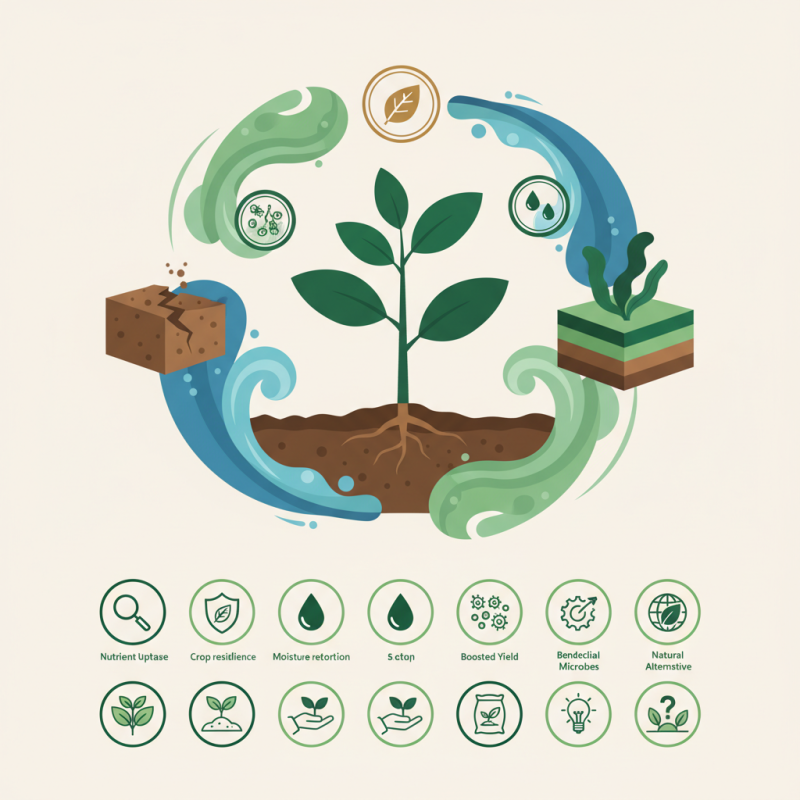
Understanding Seaweed Fertilizer and Its Role in Sustainable Farming
Seaweed fertilizer plays a significant role in sustainable farming. It is derived from various types of seaweed, which are rich in essential nutrients. According to industry reports, seaweed fertilizers can enhance soil quality, improve crop yield, and support plant health through their unique properties. They contain micronutrients like iron, manganese, and zinc, which are vital for plant development. Their natural growth hormones promote root development, which improves nutrient uptake.
Research indicates that using seaweed fertilizer can reduce the need for synthetic fertilizers. In a study, organic farms utilizing seaweed experienced a 20% increase in productivity compared to traditional methods. This shift contributes to a healthier ecosystem and better soil structure, enhancing resilience against climate change. Farmers often note improvements in soil moisture retention and a decrease in erosion rates, which ultimately supports sustainable practices.
While the benefits are clear, there are some limitations. Seaweed sourcing can be inconsistent, leading to variability in nutrient content. Furthermore, the application rates can vary depending on the crop and soil type. It is crucial for farmers to remain informed and experiment with quantities to find the best results. Navigating these challenges is essential for maximizing the advantages of seaweed fertilizers in sustainable farming.
Enhanced Nutrient Content: How Seaweed Fertilizer Benefits Soil Health
Seaweed fertilizer is gaining popularity in sustainable farming due to its enhanced nutrient content. Research shows that seaweed contains over 70 minerals and trace elements essential for soil health. These include nitrogen, phosphorus, potassium, and a range of micronutrients. A study published in the Journal of Applied Phycology highlights that seaweed fertilizers can increase soil organic matter by up to 30%. This boost improves soil structure, leading to better water retention and aeration.
Farmers are increasingly turning to seaweed fertilizers. This shift stems from the need to restore soil health. Traditional fertilizers often lead to nutrient runoff, causing environmental issues. In contrast, seaweed fertilizers promote microbial activity. Increased microbial populations help break down organic matter, enhancing nutrient availability. However, challenges remain. Some farmers report inconsistent results with specific seaweed types, making it essential to choose the right source.
Another advantage of seaweed is its growth-stimulating compounds, such as auxins and cytokinins. These substances help plants recover from stress and improve their overall resilience. A study found that crops treated with seaweed fertilizer had up to 15% higher yields under stress conditions compared to those without. Despite these benefits, awareness and understanding of seaweed's potential remain limited among some farming communities. More education and practical demonstrations could bridge this knowledge gap.
Promoting Soil Microbial Activity with Seaweed Fertilizer
Seaweed fertilizer plays a crucial role in enhancing soil microbial activity. The unique compounds found in seaweed stimulate the growth of beneficial microbes in the soil. These microbes break down organic matter, making nutrients more available to plants. In essence, healthier soils lead to more robust crops.
The diverse range of essential nutrients in seaweed also contributes to improving soil health. These nutrients include minerals and trace elements that support microbial life. Furthermore, seaweed helps maintain soil moisture levels, which is beneficial for microbial activity. However, not all seaweed varieties offer the same benefits. Farmers should be aware of the specific types that suit their soil and crop needs.
While the advantages of seaweed fertilizers are numerous, they are not a one-size-fits-all solution. Some farmers may experience inconsistent results based on soil conditions or microbial populations already present. Thus, monitoring and adjusting the approach is necessary for optimal outcomes. Incorporating seaweed should be part of a broader soil health strategy.
Reducing Chemical Inputs: The Eco-Friendly Advantage of Seaweed
Seaweed fertilizer offers a natural alternative for reducing chemical inputs in sustainable farming. Its powerful nutrients promote healthy plant growth while minimizing harm to the environment. By utilizing seaweed, farmers can nourish crops without relying on synthetic fertilizers that may lead to soil degradation and water pollution. This eco-friendly approach aligns with the principles of sustainable agriculture.
One remarkable benefit of seaweed is its ability to improve soil structure. It enhances water retention and increases microbial activity. Healthy soil promotes better crop resilience against pests and diseases. Farmers can foster a thriving ecosystem that benefits both their crops and the environment by reducing reliance on harmful chemicals.
Tips for using seaweed fertilizer:
- Apply it in the early growth stages for maximum impact.
- Dilute seaweed concentrate for effective application.
- Monitor crop response to adjust usage.
Using seaweed as a fertilizer requires a mindful approach. While it offers numerous benefits, understanding the local soil conditions is crucial. Not every farm can receive the same advantages. Tailoring the application to specific needs may demand some trial and error.
Embracing this journey can lead to more resilient farming practices in the long run. Boosting Crop Resilience and Yield Through Seaweed Applications
Seaweed fertilizer is gaining traction in sustainable farming due to its remarkable ability to enhance crop resilience. By enriching the soil with essential nutrients, this natural amendment supports plant growth. Seaweed contains a rich variety of vitamins, minerals, and trace elements that promote healthy root development. Farmers applying seaweed can often observe stronger plants that withstand harsh environmental conditions better.
The applications of seaweed also lead to increased crop yields. Research shows that seaweed extracts boost germination rates and accelerate growth. These effects are particularly valuable in regions facing unpredictable weather patterns. However, the effectiveness can vary depending on the type of seaweed used and local soil conditions. Farmers should be mindful of these factors when integrating seaweed into their practices.
Despite its benefits, the use of seaweed fertilizer requires reflection and adjustment. Relying solely on seaweed may inhibit other important agricultural practices. Farmers should consider including a diverse range of fertilizers to maximize soil health over time. This balanced approach can lead to sustainable agricultural systems that are both productive and environmentally friendly.
