Top 10 Types of Industrial Packaging You Should Know About?
Industrial packaging plays a vital role in today's economy. According to a report by MarketsandMarkets, the global industrial packaging market is expected to reach $300 billion by 2025. This rapid growth is fueled by increasing demand for efficient and sustainable packaging solutions. Businesses strive for reliability and performance, which are essential in transporting goods safely.
Different types of industrial packaging cater to specific products and materials. For instance, bulk containers, drums, and crates are widely used across various industries. Each type serves unique functions, from protecting products to optimizing space. However, companies often overlook these details, leading to potential losses.
It's crucial to recognize the importance of choosing the right packaging. Many businesses face challenges in balancing cost and sustainability. Inadequate packaging can result in product damage and increased expenses. As the industry evolves, companies must reflect and adapt to these changes to remain competitive.
Types of Industrial Packaging Based on Material Composition
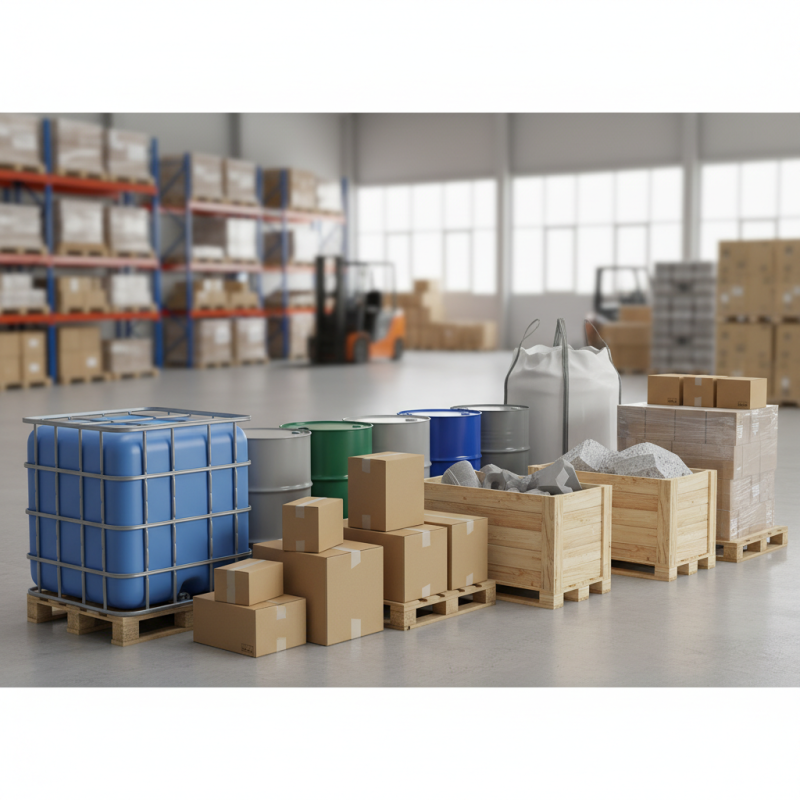
Industrial packaging plays a crucial role in protecting products. Different materials cater to various needs. Understanding material composition is essential. Common types include cardboard, plastics, metal, and wood.
Cardboard is lightweight and recyclable. It’s great for shipping bulk items. However, it may not withstand heavy weight or moisture. Many companies find its durability lacking for certain products. Plastic packaging is versatile. It offers flexibility and strength. Yet, it poses environmental challenges. Many are looking for sustainable alternatives.
Metal packaging is strong and long-lasting. It protects against external contaminants. But, it can be heavier and costlier. Wood has a rustic charm and provides excellent protection. However, it may be more expensive and less eco-friendly. Choosing the right material requires careful consideration and reflection on both performance and environmental impact.
Top 10 Types of Industrial Packaging You Should Know About
| Type of Packaging |
Material Composition |
Common Uses |
Advantages |
| Corrugated Boxes |
Paperboard |
Shipping and storage |
Lightweight, recyclable |
| Plastic Containers |
Polyethylene, Polypropylene |
Food and chemical packaging |
Durable, moisture resistant |
| Stretch Film |
Polyethylene |
Pallet wrapping |
Excellent load stability |
| Shrink Wrap |
Polyolefin, PVC |
Product bundling |
Tamper evident, aesthetic appeal |
| Wooden Pallets |
Wood |
Heavy load transportation |
High strength, durable |
| Metal Containers |
Steel, Aluminum |
Chemicals, hazardous materials |
Robust, safe for heavy materials |
| Glass Bottles |
Glass |
Beverages, pharmaceuticals |
Non-reactive, recyclable |
| Foam Inserts |
Polyurethane, Polystyrene |
Protective packaging |
Shock absorbent |
| Paper Bags |
Paper |
Retail and goods packaging |
Eco-friendly, lightweight |
| Vacuum Sealed Bags |
Nylon, Polyethylene |
Food preservation |
Extended shelf life |
Flexible Packaging Solutions for Versatile Applications
Flexible packaging solutions offer incredible versatility for various industries. These materials can adapt to the unique needs of products. Whether it's food, cosmetics, or pharmaceuticals, flexible packaging provides protection while maximizing shelf life. Innovative designs, like resealable pouches, make them user-friendly. Lightweight options reduce transportation costs, which many companies appreciate.
However, flexibility comes with challenges. Not all flexible materials are recyclable. This can lead to waste issues that companies must confront. Understanding the life cycle of these products is crucial. Balancing cost, functionality, and environmental impact is a constant struggle. Companies often find themselves needing to innovate or change their practices.
In addition, flexible packaging presents safety concerns. Ensuring that materials are safe for food contact is vital. Companies need thorough testing and compliance checks. Adjusting to new regulations can be daunting. Finding a balance between efficiency and safety should be a priority for any business using flexible packaging.
Top 10 Types of Industrial Packaging You Should Know About
Rigid Packaging Options for Enhanced Product Protection
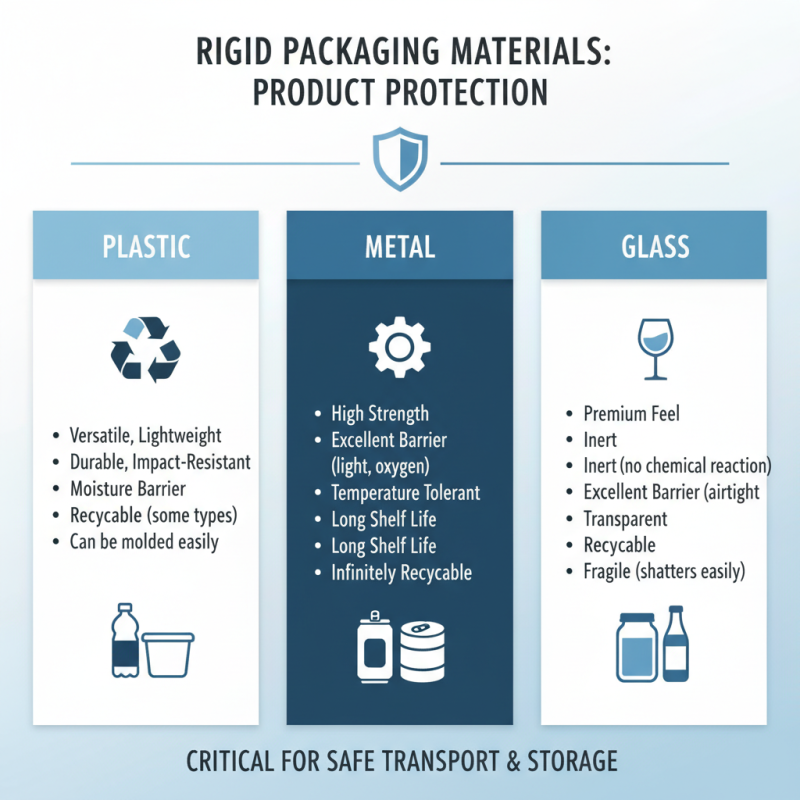
Rigid packaging plays a critical role in safeguarding products during transport and storage. It offers durability and robust protection against physical damage. Popular materials include plastic, metal, and glass. Each material has its strengths and weaknesses. For instance, glass provides excellent barrier protection but can shatter easily.
Consider plastic containers. They are lightweight and resistant to breaking. However, their environmental impact is a growing concern. Metal packaging is sturdy and often used for food items. While it prevents contamination, it can be heavier and more expensive. Choosing the right rigid packaging is not straightforward. It depends on the product’s needs, transportation methods, and sustainability goals.
Product safety should always be a priority. Packaging that fails can lead to lost revenue and wasted resources. It's crucial to evaluate how packaging will withstand different conditions. Regular assessments can help improve design. Companies must reflect on the balance between protection and cost-effectiveness. It's not just about looks; function is vital too. Making thoughtful choices can lead to better outcomes.
Bulk Packaging Types for Efficient Transportation and Storage
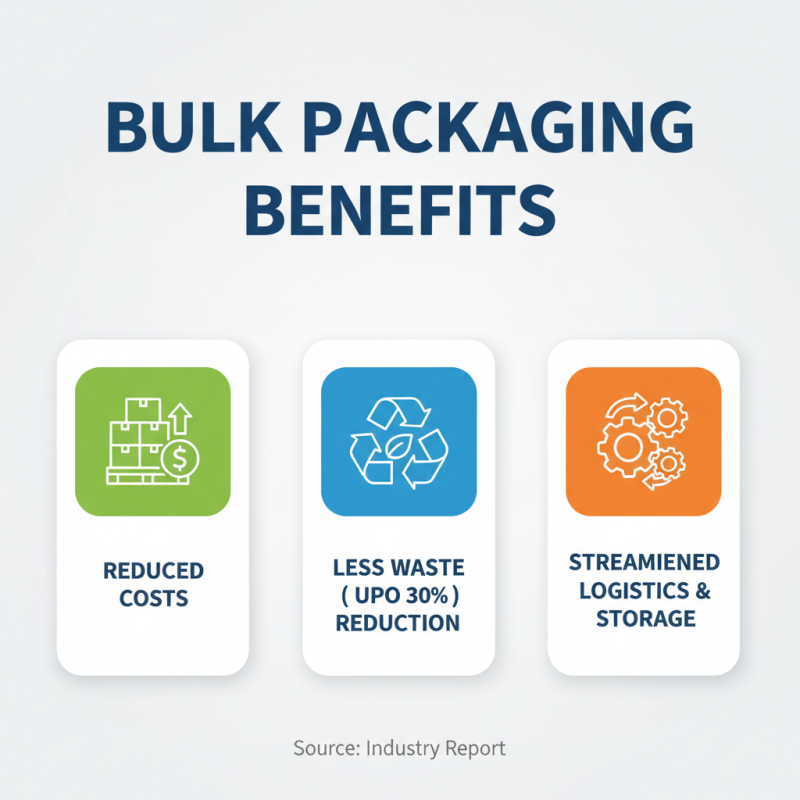
Bulk packaging is vital for efficient transportation and storage in industrial settings. This type of packaging reduces costs and waste, making it a preferred choice. According to a recent industry report, bulk packaging can decrease packaging waste by up to 30%. It streamlines logistics and helps companies manage their supply chains effectively.
There are various bulk packaging types, such as drums, pallets, and bins. For instance, using Intermediate Bulk Containers (IBCs) can optimize space and protect goods. These containers can hold up to 3,000 liters, making them suitable for liquids. However, not all companies adopt these methods. Some still rely on traditional packaging, which can be inefficient.
The choice of bulk packaging also impacts environmental sustainability. A study scored companies on their eco-friendliness. Results showed that those using bulk methods received higher scores. Yet, many firms still ignore these insights. Embracing bulk packaging could be a game changer, ensuring better resource management while promoting sustainability.
Sustainable Packaging Innovations in the Industrial Sector
In recent years, sustainable packaging has become a key focus in the industrial sector. As businesses strive to reduce their environmental impact, innovative solutions are emerging. Reports indicate that the global sustainable packaging market is projected to reach $500 billion by 2028. This growth is driven by increasing consumer demand for eco-friendly practices.
One notable innovation is the rise of biodegradable materials. These alternatives minimize waste, breaking down more effectively than traditional plastics. Another trend is the use of recycled content in packaging. Research shows that utilizing recycled material can lower carbon emissions by 30%. Such approaches highlight the need for companies to re-evaluate their packaging choices seriously.
However, challenges remain. The transition to sustainable options often incurs higher initial costs. Many industries struggle to balance sustainability with budget constraints. There’s also the complexity of sourcing reliable suppliers. As the market evolves, finding the right fit for sustainability without compromising functionality poses a significant challenge.