How to Succeed in Large Scale Poultry Farming at Canton Fair 2026?
The 2026 Canton Fair promises to be a landmark event for those interested in Large Scale Poultry Farming. Scheduled for April and May, this fair features advanced technology and innovative solutions. With an impressive exhibition space of 1.55 million square meters, efficiency is key. Attendees can utilize AI-driven tools to navigate and connect with suppliers who meet essential qualifications, like ISO and CE certifications.
Large Scale Poultry Farming often faces challenges, such as biosecurity risks and market volatility. Therefore, it is crucial to explore the latest technologies, including automation and sustainable practices. Innovations showcased at the fair may offer solutions to these pressing issues. Yet, not all technologies will suit every operation.
Vendors, experts, and farmers will engage in meaningful discussions and networking. Collaborating with the right partners can transform your poultry farming business. However, some may struggle to identify the most beneficial tools and strategies for their specific needs. It takes time for newcomers to find their footing in this competitive landscape. Embracing and adapting to change will be vital for achieving success in Large Scale Poultry Farming at the 2026 Canton Fair.
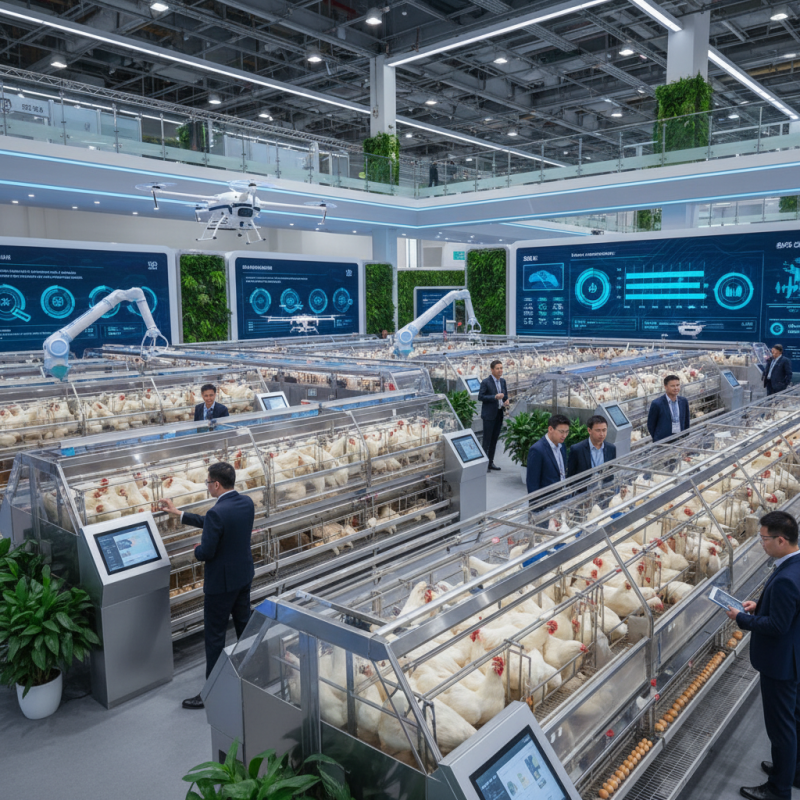
Understanding the Basics of Large Scale Poultry Farming
Large scale poultry farming requires a solid understanding of key principles. This means knowing about bird breeds, feed requirements, and housing systems. Each element plays a vital role in overall success. For instance, breed selection impacts growth rates and egg production significantly. Poor choices can lead to lower yields and higher costs.
Proper nutrition is crucial. Birds need balanced diets for optimal health. This often involves specialized feed formulations. Additionally, housing must be well-designed for comfort and productivity. Ample space, ventilation, and sanitation are essential. Overcrowding can lead to stress and disease.
However, not every farm achieves its desired results. Mistakes can happen. A lack of proper management practices can hinder success. Frequent assessment of operations is necessary. Understanding these factors can help mitigate risks and improve overall outcomes in large scale poultry farming.
Exploring Innovative Technologies for Poultry Management
As we gear up for the Canton Fair 2026, poultry farmers are looking for innovative technologies to improve their operations. Advanced feeding systems can significantly reduce waste. Automated feeders ensure every bird receives adequate nutrition. These systems minimize manual labor and improve efficiency.
Data analytics is another game-changer in poultry management. Farm owners can track growth rates, food consumption, and health metrics in real time. However, understanding how to interpret this data can be challenging. Many farmers may need training to utilize these insights effectively. It’s vital to combine technology with traditional farming knowledge.
In addition to automation, biosecurity measures are essential. Innovative technologies help monitor flock health and prevent diseases. For example, digital surveillance systems can identify abnormal behavior in birds. However, implementing these technologies can be costly. Some farmers may hesitate to invest without guaranteed returns. Balancing innovation with sustainability remains a key consideration for successful poultry farming.
Building Sustainable Practices for Long-term Success in Poultry Farming
Building sustainable practices in poultry farming can set you apart at the Canton Fair 2026. Implementing eco-friendly techniques can enhance both productivity and reputation. Focus on using renewable resources. Consider solar systems for energy. This will reduce costs and minimize the carbon footprint.
Tip: Establish a waste management system. Recycle manure into organic fertilizers. This practice improves soil health and makes your farm less dependent on synthetic inputs. It helps create a closed-loop system. It also addresses a significant waste issue in poultry farming.
Pay attention to animal welfare. Healthy birds lead to better production rates. Providing ample space and access to the outdoors can reduce stress. It is essential to monitor animal conditions continuously. Look for signs of distress or illness. Document these observations regularly. This helps in adjusting your farming strategies effectively. Sustainability is not just about practices; it is also about adapting to challenges while keeping welfare a priority.
How to Succeed in Large Scale Poultry Farming at Canton Fair 2026?
Building Sustainable Practices for Long-term Success in Poultry Farming
| Aspect | Description | Importance | Sustainable Practice |
| Feed Management | Optimizing feed efficiency to reduce waste. | High | Use of high-quality, locally sourced feeds. |
| Biosecurity Measures | Implementing strict protocols to prevent disease. | Critical | Regular health checks and sanitation practices. |
| Housing Conditions | Providing optimal living conditions for poultry. | Very Important | Ventilated, temperature-controlled environments. |
| Water Quality | Ensuring access to clean and safe drinking water. | High | Regular testing and filtration systems. |
| Waste Management | Efficient disposal and recycling of waste materials. | Very Important | Composting and biogas production. |
Marketing Strategies for Poultry Products at Trade Shows
Marketing at trade shows, especially for poultry products, requires a strategic approach. The global poultry market is projected to reach $400 billion by 2025. Engaging consumers and buyers at events like the Canton Fair can be crucial. Booth design matters. An eye-catching display draws in potential customers. Use clear signage and interactive elements to highlight product benefits.
Networking is vital during trade shows. Establish connections with industry experts and potential partners. Research shows that 74% of attendees prefer engaging in conversations rather than automated presentations. Collect contact information for follow-up. Personalize your message for each lead. This can enhance relationships and build trust.
Promotions are another effective tactic. Offering samples can create a memorable experience. A recent report indicated that 60% of trade show attendees are influenced by product sampling. However, not all promotions yield results. Reflect on which strategies worked and which did not. Analyze data post-event to refine future approaches. Understanding your audience is key to marketing success.
Networking Opportunities at Canton Fair 2026 for Poultry Farmers
Networking plays a crucial role in the success of poultry farming, especially at the Canton Fair 2026. This event offers farmers a chance to connect with industry leaders and explore new technologies. According to recent industry reports, robust networks significantly enhance productivity and profitability in poultry farming.
Attending the fair, farmers can engage with experts and fellow growers. This exchange of ideas can lead to innovative solutions. For instance, insights on biosecurity measures can help reduce disease outbreaks. Many farmers face challenges in maintaining high standards. Establishing connections can provide support and resources.
**Tips:**
Be open to conversations with strangers. You might learn valuable practices.
Prepare your questions in advance. Clarity helps in gaining useful insights.
Follow up with new contacts after the event. Building long-term relationships is essential.
Networking can sometimes feel overwhelming. Some farmers may hesitate to approach others. Yet, these interactions open doors to partnerships and knowledge sharing. A simple conversation can lead to significant changes in your operations. Engaging actively at the fair could yield unexpected advantages for your farming journey.
