What is a Solenoid Valve in an Irrigation System?
Irrigation systems are vital for sustainable agriculture. Properly designed systems ensure efficient water use. Among key components, the "Solenoid Valve In Irrigation System" stands out. It regulates water flow, allowing precise irrigation control.
Experts emphasize the importance of solenoid valves. John Smith, a renowned irrigation specialist, states, "Solenoid valves are essential for optimizing water delivery in modern irrigation systems." This technology enhances efficiency, reducing water waste. Reports suggest that proper valve utilization can improve irrigation efficiency by up to 30%.
Yet, challenges remain. Regular maintenance of solenoid valves is crucial for consistent performance. Neglecting upkeep can lead to system failures and increased water usage. Understanding how to implement and maintain these valves can significantly impact water management in agriculture. Balancing technological advances with practical application is key for future irrigation practices.
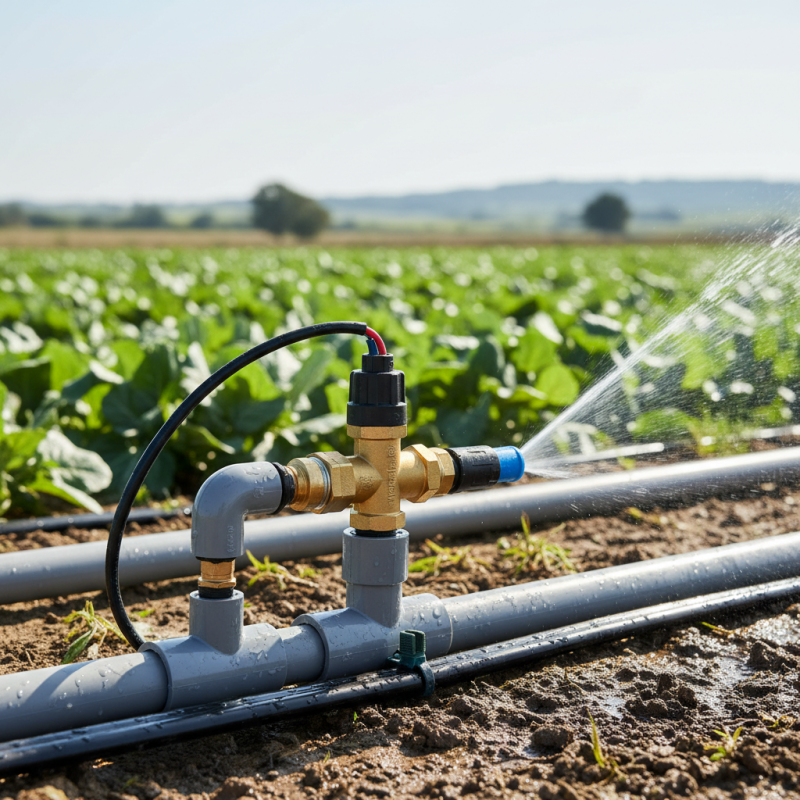
What is a Solenoid Valve?
A solenoid valve is a crucial component in an irrigation system. This device controls water flow through pipes. It achieves this by using electromagnetic principles. When electricity flows through the coil of the solenoid, it creates a magnetic field. This field moves a plunger, opening or closing the valve. Hence, water can be regulated efficiently.
These valves are commonly utilized in automatic irrigation systems. They allow for precise control over watering schedules. With the right setup, plants receive just the right amount of water. Yet, solenoid valves can malfunction. They may get stuck or clogged. Regular maintenance is vital to ensure they function properly.
Moreover, not every solenoid valve is suited for every application. Selecting the right type can be daunting. Some may require specific pressure settings or power sources. Understanding specifications will help avoid mistakes. Irrigation systems are meant to simplify gardening. Choosing the wrong valve complicates this purpose. Always consider the unique needs of your irrigation system.
Functionality of Solenoid Valves in Irrigation Systems
Solenoid valves play a vital role in irrigation systems. They act as automatic switches that control water flow. When electrical power is applied, the valve opens. Conversely, without power, it closes. This functionality helps manage water distribution efficiently.
Having solenoid valves allows for precise watering. Gardeners can set timers to automate watering schedules. This automation saves time and reduces water wastage. However, improper installation may lead to leaks or system malfunctions. Regular checks on valve function are essential.
Tips: Regular inspections ensure optimal performance. Look for signs of wear or leakage. Clean filters frequently to prevent blockages. Consider using a voltmeter to test electrical connections. These small steps can make a significant difference in an irrigation system's efficiency.
What is a Solenoid Valve in an Irrigation System? - Functionality of Solenoid Valves in Irrigation Systems
| Feature | Description | Benefits | Applications |
| Automatic Control | Can be electronically controlled to open or close valves. | Improves efficiency and reduces manual labor. | Residential and commercial irrigation systems. |
| Power Source | Operates on low voltage AC or DC current. | Energy-efficient and safe for regular use. | Garden watering and agricultural systems. |
| Durability | Designed for long life with minimal maintenance. | Reliable operation under varying conditions. | Large-scale agricultural irrigation. |
| Size Variety | Available in multiple sizes to fit different piping systems. | Flexibility in installation and use in various settings. | Drip irrigation, sprinkler systems, etc. |
| Response Time | Quick response for immediate operation. | Allows for precise water delivery and timing. | Operation in automated irrigation systems. |
Benefits of Using Solenoid Valves in Irrigation
Solenoid valves are essential in modern irrigation systems. These devices control water flow efficiently, making them invaluable for farmers. Reports suggest that using solenoid valves can enhance water distribution by up to 30%. This improvement significantly impacts crop health and yield.
One significant benefit of solenoid valves is their automation capabilities. Farmers can optimize watering schedules, ensuring that crops receive precise amounts of water. Studies indicate that automated systems can reduce water usage by approximately 25%, which is crucial in areas facing water scarcity.
However, reliance on technology also has its drawbacks. If the automation system fails, it can lead to over or under-watering. Such situations can stress crops, affecting growth.
Moreover, solenoid valves require regular maintenance. Ignoring this can result in malfunctions. Blockages or leaks may go unnoticed, causing wasted resources. Research shows that up to 15% of irrigation water is lost due to valve issues. Addressing these concerns is vital for sustainable farming. Balancing technology with manual checks remains key for optimal efficiency.
Installation and Maintenance of Solenoid Valves
When installing a solenoid valve in an irrigation system, proper placement is crucial. It’s advisable to position the valve close to the water source. This minimizes pressure loss. The installation usually requires basic tools like wrenches and sealants. The American Society of Agricultural and Biological Engineers recommends ensuring connections are tight to prevent leaks.
As for maintenance, regular checks are necessary. Experts suggest inspecting the solenoid valves every few months. A study by the Irrigation Association found that many systems fail due to neglected valve maintenance. Cleaning the valve solenoids is important. Dirt can cause malfunctions, leading to water wastage. In some cases, replacing the valve is the best choice. Make sure to keep records of any issues. This helps track performance over time. Proper installation and maintenance are not just beneficial; they are essential for efficient irrigation.
Common Issues and Troubleshooting Tips for Solenoid Valves
Solenoid valves are crucial components in irrigation systems. They control water flow from the main supply to various zones. However, several common issues can arise. A report from the Irrigation Association indicates that nearly 30% of irrigation systems experience valve failures due to improper maintenance.
One prevalent issue is solenoid failure. This often occurs due to electrical problems or mineral buildup. A poorly fitted or damaged solenoid can lead to leaks, compromising efficiency. Farmers may notice uneven water distribution, resulting in drought stress on certain crops. Regular inspections can help catch these issues early.
Faulty wiring is another concern. Corrosion or frayed wires can disrupt the power supply to the solenoid. In fact, studies show that up to 40% of irrigation failures are electrical in nature. Testing the electrical connections regularly can mitigate this risk. Moreover, replacing old wiring can prevent unexpected breakdowns.
