How to Ensure Quality in Book Printing Inspection Processes?
In the competitive landscape of book publishing, ensuring quality in the Book Printing Inspection processes is paramount. According to a recent report by the Printing Industries of America, nearly 30% of printing errors can be traced back to inadequate inspection protocols. This highlights the need for robust inspection measures that can effectively identify and rectify issues before they reach the consumer.
Expert Linda G. Markham, a veteran in the printing sector, emphasizes, “Quality inspection is not just a process; it's a commitment to excellence.” Her insights underline the importance of having well-defined standards and checks in place. However, even with established processes, human error and oversight can still occur. Many printing companies find themselves revisiting their inspection methodologies due to overlooked details or miscommunication among teams.
These reflections reveal a deeper challenge within the industry. Continuous improvement in the Book Printing Inspection processes can elevate overall quality and trust in printed products. Implementing advanced technologies, such as automated inspection systems, is one way to address these issues. Nonetheless, the journey toward flawless quality entails ongoing vigilance and a willingness to adapt.
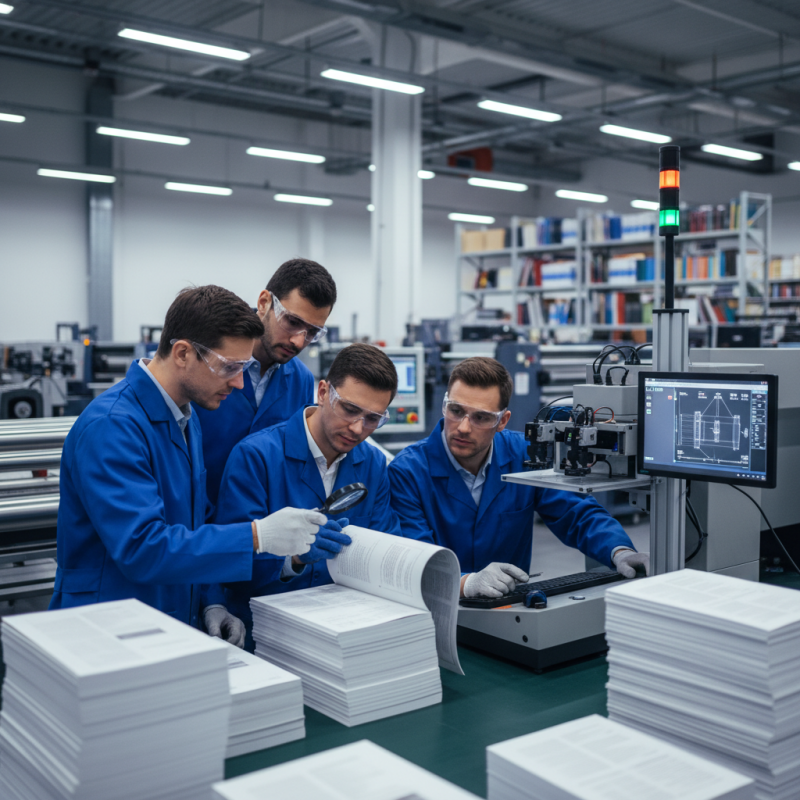
Understanding the Importance of Quality in Book Printing
In the world of book printing, quality is paramount. A book is not just a collection of pages; it is an experience for readers. Printing errors can break this experience. Issues like misalignment, color discrepancies, or smudges can turn a well-written story into an eyesore. Readers notice these flaws, and it can affect their perception of the content. Ensuring quality in book printing is essential for maintaining the integrity of the written word.
The inspection process plays a pivotal role in quality assurance. A thorough review of each print run helps catch errors early. Inspectors need to pay close attention to details such as font consistency and binding strength. Sometimes, overlooking small elements can lead to larger issues later. In this regard, effective communication among the team is vital. Clear guidelines and checkpoints ensure everyone is on the same page. But even with careful checks, mistakes can slip through. Regular reflection on the printing process helps identify recurring faults and improve the overall outcome.
Quality in book printing also involves feedback from readers. Gathering opinions after release provides insight into the tangible placement of text and images. Readers often share their experiences about what could enhance their reading pleasure. Taking these insights into account serves to bridge the gap between production and reader experience. The aim should always be to create books that not only convey information but also delight visually and tactilely.
Book Printing Quality Inspection Metrics
This bar chart illustrates various quality metrics used in the book printing inspection process, highlighting the importance of maintaining high standards across different aspects such as color accuracy, binding strength, and print clarity. Each metric is scored out of 100 to evaluate the overall quality effectively.
Key Steps in Establishing an Effective Inspection Process
Establishing an effective inspection process for book printing is crucial. Quality control ensures the final product meets expectations. Start by defining the key quality criteria for the books you print. These can include paper quality, ink consistency, and binding strength. Each aspect is vital. A slight error can lead to dissatisfaction.
Hire skilled inspectors who understand printing standards. They should be trained to identify defects. Regular calibration of inspection tools is necessary. Even minor inaccuracies can accumulate and cause major issues. Documenting findings helps create a feedback loop for continuous improvement.
Adopting a structured checklist is beneficial. This ensures no details are overlooked. Consider adding a section for feedback from the printing team. It may reveal blind spots in the inspection process. Inspectors must regularly reflect on their findings. Continuous training keeps knowledge current. Quality inspection evolves with technology and methods. It's essential to stay adaptable in this fast-paced industry.
Essential Tools and Techniques for Book Printing Inspection
Quality in book printing starts with robust inspection processes. Various tools and techniques play a crucial role in this effort. Understanding them can significantly enhance the final product. Visual inspections are fundamental. Inspectors should carefully check for text misalignment and image clarity. A magnifying glass can help in spotting tiny issues. Using a light box is another practical approach. It highlights color inconsistencies that might otherwise go unnoticed.
Tips: Always conduct random sampling during inspections. This practice provides a better overview of quality across the entire print run. Ensure that all inspectors are trained to recognize common defects. Familiarize them with defect terminology for effective communication.
Another useful technique is utilizing digital inspection tools. These can automate aspects of the quality check. They allow for high-speed inspections that catch errors like ink smudges or incorrect page order. However, technology isn’t infallible. Regular recalibration is necessary to maintain accuracy. It’s easy to overlook small software updates that ensure optimal performance. Relying too heavily on technology may lead to complacency. Therefore, a balanced approach is essential in any inspection process.
How to Ensure Quality in Book Printing Inspection Processes? - Essential Tools and Techniques for Book Printing Inspection
| Inspection Tool/Technique | Purpose | Frequency of Use | Key Benefits |
| Visual Inspection | Identify surface defects and overall print quality. | Every batch | Immediate feedback on quality, low cost. |
| Color Calibration Tools | Ensure accurate color reproduction. | Daily | Consistency in color output, professional appearance. |
| Paper Quality Testing | Assess thickness, weight, and finish of paper. | Per order | Durability and suitability for printing. |
| Binding Inspection | Check strength and alignment of book binding. | Before shipment | Ensures longevity and readability of books. |
| Digital Proofing | Review layout, fonts, and images before printing. | Prior to final print | Reduces errors and reprints, saves cost. |
Training Staff to Uphold Quality Standards in Book Printing
In book printing, quality ensures the final product meets expectations. Training staff is critical for maintaining these standards. A well-trained team can identify issues early. They need a strong grasp of every step in the printing process.
Tips: Engage your staff in regular workshops. Discuss common printing flaws they might encounter. This encourages open dialogue about quality and instills a sense of ownership.
Encouraging staff to pay attention to detail is crucial. Simple tasks, like checking color consistency, matter. Print samples can be used for practice. Mistakes happen, and these moments can be learning opportunities. Reflecting on errors fosters growth.
Tips: Regular inspections help staff spot recurring problems. Create checklists based on past issues. Update these lists to reflect solutions discovered during training. A dynamic approach keeps quality a priority in the production cycle.
Evaluating and Improving Inspection Methods Over Time
Evaluating and improving inspection methods in book printing is crucial for ensuring quality. Recent studies indicate that nearly 30% of printed products have some form of defect. This statistic underscores the importance of a stringent inspection process. The industry must adopt continual learning practices to identify faults more effectively.
Inspection methods must evolve over time. Utilizing data analytics can enhance detection rates. For example, automated systems can pinpoint misalignments in real-time, preventing further issues down the line. However, it's essential to remember that technology isn’t infallible. Even the best systems can miss subtle defects, highlighting the need for human expertise alongside automation.
Feedback loops are vital for improvement. Gathering insights from various team members can reveal unexpected problems. One typical issue is the communication gap between the printing and quality control teams. Regular training sessions can bridge this gap and ensure everyone is on the same page. Without this alignment, the risk of missing critical quality indicators remains high, affecting overall production.
