Top 5 Pulp Molding Trends at 2026 Canton Fair for Global Buyers?
The 2026 Canton Fair, scheduled from April 15 to May 5, showcases innovative trends in various industries. Among these trends, pulp-molding stands out, reflecting a growing interest in sustainable materials. This eco-friendly production method is gaining traction among global buyers, especially in the home goods and packaging sectors.
With the integration of AI technologies, navigating the vast exhibition space of 1.55 million square meters becomes easier for attendees. Buyers can swiftly identify pulp-molding suppliers meeting specific certifications, enhancing their sourcing experience. The efficiency gained through smart navigation allows for a more focused exploration of the latest products and trends.
Yet, while the innovations in pulp-molding are exciting, challenges remain. Competing materials and traditional manufacturing methods still dominate some markets. Buyers will need to weigh the benefits of adopting pulp-molding in their projects. Ultimately, the Canton Fair offers a unique opportunity to explore these nuances in depth.
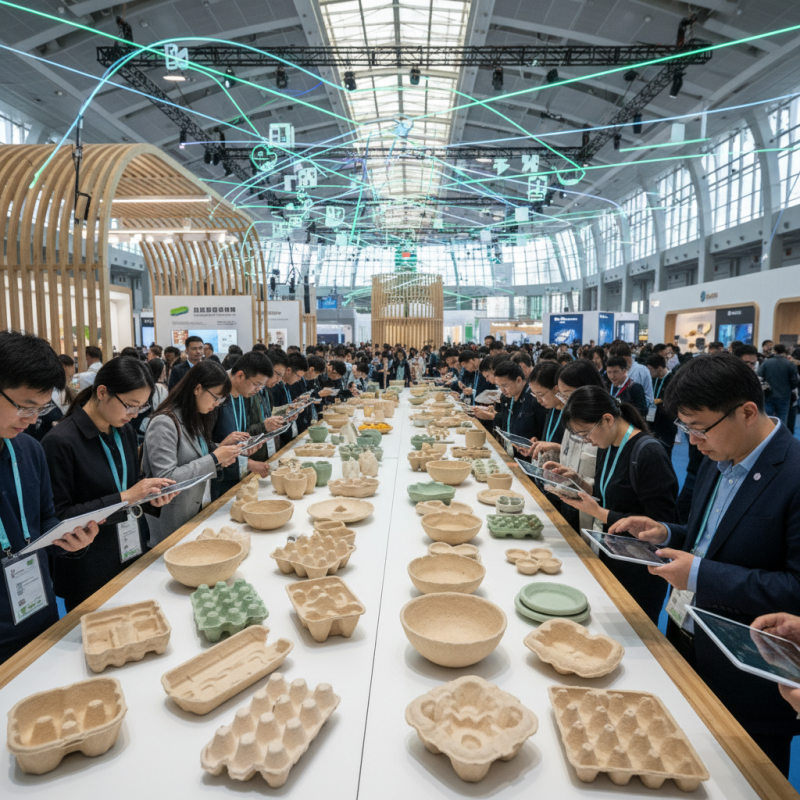
Emerging Pulp Molding Technologies Showcased at Canton Fair 2026
The 2026 Canton Fair highlights advancements in pulp molding technologies. Exhibitors showcase innovative methods that promise sustainability and efficiency. Many products are made from recycled materials, addressing environmental concerns. This shift appeals to global buyers seeking eco-friendly solutions.
Impressive designs are now emerging, capturing attention on the show floor. Some manufacturers use advanced molding techniques to produce intricate shapes. However, there is a learning curve for many buyers unfamiliar with these innovations. Understanding the full potential of these technologies is crucial for effective application.
Despite optimism, challenges persist. Not all products meet the expected quality standards. Some items lack durability when tested. Buyers are left to weigh their options carefully. The focus on eco-friendliness must align with performance expectations. As the industry evolves, continuous improvement is necessary to fulfill market demands.
Sustainability Practices Driving Pulp Molding Innovations in 2026
At the 2026 Canton Fair, sustainability is reshaping the pulp molding landscape. Buyers can expect innovations driven by eco-friendly materials and production methods. Brands are focusing on biodegradable options to reduce pollution. This shift represents a major trend, with many manufacturers embracing greener practices.
Tip: Explore sourcing from suppliers prioritizing environmental responsibility. Check their certifications and production processes.
The rise of recycled materials is noteworthy. Manufacturers are increasingly using paper waste and other resources. This not only cuts costs but also minimizes landfill contributions. However, the quality can vary. Buyers should test prototypes thoroughly to ensure they meet standards. Some products may lack durability.
Tip: Ask for samples before bulk orders. Testing helps in understanding the product's longevity.
Consumer demand for sustainable products is pushing companies to innovate. While many advancements are promising, not all solutions are efficient yet. Some methods still require refinement. Buyers should remain vigilant about evolving trends. The balance between sustainability and functionality is key.
Market Trends: Consumer Preferences Shaping Pulp Molding Products
At the 2026 Canton Fair, pulp molding products will reflect shifting consumer preferences. Buyers are keen on sustainable options. Eco-conscious designs are gaining traction. Items that emphasize biodegradability and recyclability attract attention. Consumers are demanding more from brands. They want to know the origin of materials. Transparency in sourcing is crucial.
Trends indicate a rise in personalized products. This shift may challenge manufacturers. They must adapt quickly to fulfill unique consumer needs. Customizable pulp molds can provide a solution. Buyers are also interested in multifunctional designs. These products save space and are convenient. However, pushing the boundaries may lead to compromises in quality. Innovation should not sacrifice function.
As globalization continues, cultural influences shape product designs. Unique aesthetics from different regions appeal to diverse buyers. Nevertheless, balancing global trends with local tastes is challenging. Successful brands must navigate these complexities to meet evolving demands. Engaging with consumers and understanding their values will be essential for growth in this sector.
Top 5 Pulp Molding Trends at 2026 Canton Fair for Global Buyers
| Trend | Description | Consumer Preference | Environmental Impact |
| Sustainable Materials | Increased use of renewable and biodegradable materials in production. | High demand for eco-friendly products. | Reduces plastic waste and carbon footprint. |
| Innovative Designs | Focus on aesthetic and functional designs that appeal to modern consumers. | Consumers attracted to unique and stylish products. | Encourages the use of sustainable creation methods. |
| Customization Options | Increased demand for personalized packaging and products. | Consumers prefer products that reflect their personal style. | Potential for increased waste if not managed properly. |
| Smart Packaging | Integration of technology into pulp products for enhanced functionality. | Tech-savvy consumers gravitate towards innovations. | Promotes recycling and smarter resource use. |
| Health and Safety Focus | Products emphasizing safe and non-toxic materials for food packaging. | Increased consumer awareness regarding health safety. | Contributes to consumer trust and brand loyalty. |
Key Manufacturers to Watch in the 2026 Canton Fair Pulp Molding Sector
The 2026 Canton Fair is expected to be a significant platform for pulp molding innovation. Manufacturers in the pulp molding sector will showcase new designs and technologies. This year, there has been a notable shift towards sustainability. Many buyers are now looking for eco-friendly solutions, reflecting a growing demand for biodegradable materials.
Industry reports indicate that the global pulp molding market is projected to reach $3 billion by 2027. As more businesses focus on reducing plastic waste, the interest in pulp-based products has surged. Key manufacturers are likely to display advancements in production processes, enhancing efficiency while minimizing environmental impact.
Innovation does not come without challenges. Some manufacturers still grapple with the high costs of raw materials. This can hinder their ability to compete on price. Additionally, some buyers still question the structural integrity of pulp molded products versus traditional materials. Despite these growing pains, market experts remain optimistic about pulp molding’s future in the green economy. The Canton Fair will be critical in defining these trends.
Top 5 Pulp Molding Trends at 2026 Canton Fair
Global Buyer Insights: Trade Opportunities in Pulp Molding Industry
The pulp molding industry is rapidly growing, drawing attention from global buyers. According to a recent market report, the global pulp molding market is expected to reach $3.2 billion by 2026. This figure highlights the increasing demand for eco-friendly packaging solutions.
At the 2026 Canton Fair, trends will focus on sustainability and innovation. Buyers are looking for biodegradable materials and designs that reduce waste. Reports show that 72% of consumers prefer sustainable products. This shift in consumer behavior influences purchasing decisions worldwide.
Moreover, the integration of technology in production processes cannot be overlooked. Automation and smart manufacturing are gaining traction. However, there are challenges with scalability and cost-efficiency. Many companies must rethink their strategies to stay competitive. It’s an evolving landscape, and adaptability is essential for success.
