What is Print Inspection and How Does it Work?
In the evolving world of manufacturing, "Print Inspection" plays a pivotal role in maintaining quality. John Smith, a leading expert in the field, once stated, “Effective print inspection is key to flawless production.” This highlights the essential nature of print inspection in today’s competitive market.
Print Inspection ensures that every printed item meets stringent quality standards. It involves the use of advanced technology to detect errors in real-time. However, relying solely on machines can sometimes lead to overlooked issues. Human oversight remains crucial to catch subtle discrepancies that machines might miss.
Many companies seek perfection in print inspection but often fall short. They may focus too heavily on automation, neglecting the value of skilled operators. This creates a gap where minor flaws can slip through unnoticed. Striking the right balance between technology and human expertise is essential for true quality assurance in print inspection.
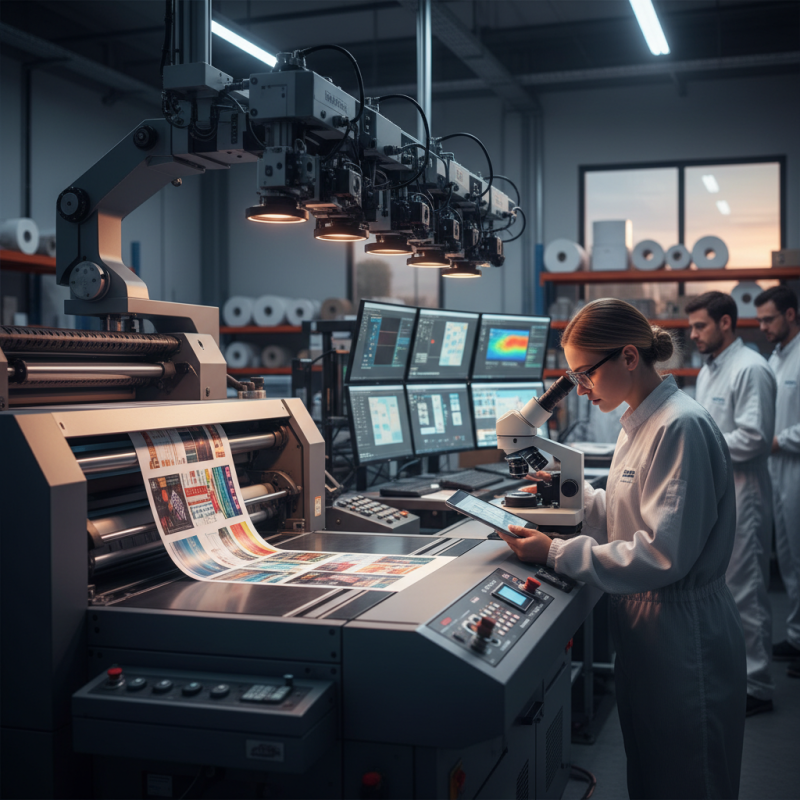
What is Print Inspection?
Print inspection is a vital process in ensuring the quality of printed materials. It refers to the systematic examination of print output for defects or inconsistencies. In industries such as packaging and publishing, high-quality print is essential. According to a recent industry report, about 30% of print defects go unnoticed without proper inspection measures. This can lead to costly reprints and damaged reputations.
The print inspection process typically employs advanced technologies. Visual inspection can be augmented with machine vision systems. These systems can detect issues in real-time, enhancing efficiency. They can identify color mismatches, misalignments, and any anomalies in print quality. A survey showed that 75% of companies using automated print inspection reported higher satisfaction levels among customers.
However, even with these technologies, human judgment remains essential in the inspection process. Relying too heavily on machines may overlook subtle issues that require a trained eye. A significant portion of inspections, around 20%, still relies on manual checks. The balance between technology and human insight is crucial to achieving optimal print quality. This dual approach underscores the complexity of maintaining excellence in print inspection.
The Importance of Print Inspection in Quality Control
Print inspection plays a vital role in quality control within the printing industry. A report from Smithers indicates that about 90% of production defects are discovered in the inspection phase. This critical step ensures that flaws, such as smudges or misalignments, do not make it to the final product. Inaccurate printing can lead to significant losses, estimated at over $1 billion annually for manufacturers worldwide.
Quality control relies heavily on the accuracy of print inspection systems. Manual checks are often not enough, as human error can easily occur. In fact, a study by the Institute of Packaging Professionals found that over 70% of errors in print production derive from human oversight. Automated print inspection technologies can greatly reduce these errors, ensuring more reliable outputs. Implementing these systems increases efficiency and lowers the chances of costly recalls and reprints.
Despite advancements, challenges persist. Some inspection technologies may overlook minor defects, which can escalate into major issues. Moreover, integrating new systems can be costly and logistically challenging. Continuous improvement and adaptation in print inspection practices are essential for maintaining high standards in quality control. The industry must remain vigilant and proactive in overcoming these imperfections to ensure product excellence.
Print Inspection: Quality Control Metrics
The chart above illustrates key metrics related to print inspection in quality control. It includes the number of defects per 1000 prints, the percentage of on-time deliveries, customer complaints, and the reprint rate. Monitoring these metrics is crucial for maintaining the quality of printed products.
How Print Inspection Technology Works
Print inspection technology plays a crucial role in maintaining quality across numerous industries. This technology uses advanced imaging systems to detect defects in printed materials. By employing high-resolution cameras and sophisticated algorithms, it identifies issues like misalignment, color variation, and missing elements.
Recent industry studies indicate that up to 90% of printing errors can be detected through automated inspection. This capacity significantly reduces waste and enhances overall productivity. Many companies have reported a reduction in defects after implementing print inspection systems. For instance, one report showed a decline in error rates by 30% in the first year of adoption.
Despite these advancements, challenges remain. Variability in print materials can sometimes lead to false positives in inspection. Additionally, the initial setup costs can be a barrier for smaller operations. Continuous calibration and updates to software are also necessary to keep up with evolving print technologies. These gaps highlight the need for ongoing evaluation and improvement in print inspection methods.
Common Methods and Techniques in Print Inspection
Print inspection is crucial for maintaining quality in the printing industry. Common techniques include visual inspection, inline systems, and automation. Visual inspection relies on human oversight. Though effective, it can be inconsistent. Inline systems use cameras and sensors to monitor print quality. These systems catch errors in real-time, which enhances efficiency. Automated inspection reduces human error but may miss subtle issues.
Statistics indicate that about 80% of defects can be detected through inline inspection methods, which can lead to a significant reduction in waste. Many companies report increases in production efficiency by at least 30% when implementing these technologies.
Tips: Regularly train staff on print inspection techniques. This can improve quality and speed. Don't solely rely on technology; human eyes can catch what cameras miss. Always evaluate your inspection methods. Reflect on areas of improvement. Continuous assessment helps in adapting to new industry standards.
Challenges and Solutions in Print Inspection Processes
Print inspection is crucial for maintaining quality in printing operations. However, the process faces several challenges. One major issue is the variability of print materials. Ink consistency can vary, leading to differing print quality. Additionally, various printing techniques can introduce unique issues. These factors make it hard to achieve uniform standards.
Regular calibration of machines can help address these problems. It's essential to monitor ink viscosity regularly. This ensures quality control. Adjustments help to reduce waste and minimize errors. Implementing a robust training program for staff is another key solution. Well-trained personnel can identify defects earlier.
Tips: Consider investing in inspection technology. Automated systems can catch issues in real-time. This can save costs and enhance efficiency. Always leave room for improvement. Reflect on print outcomes and adjust accordingly. Emphasizing a culture of continuous feedback helps everyone improve. Remember, even small changes can yield significant results.
