Top 10 Packaging Automation Equipment Trends for 2023 You Need to Know
The landscape of packaging automation equipment is rapidly evolving, driven by advancements in technology and shifting consumer demands. In 2023, businesses are increasingly recognizing the importance of adopting innovative packaging solutions to enhance efficiency, reduce costs, and stay competitive in a fast-paced market. As industries continue to pivot towards automation, understanding the latest trends in packaging automation equipment becomes crucial for organizations aiming to optimize their operations and streamline their production lines.
This year, several key trends have emerged that promise to reshape the future of packaging automation equipment. From the integration of artificial intelligence and machine learning to the rise of sustainable packaging solutions, companies are exploring various avenues to enhance their packaging processes. Additionally, the demand for customizable and flexible packaging systems is on the rise, reflecting a shift towards more personalized consumer experiences. By staying informed about these trends, businesses can strategically implement new technologies and methodologies, ensuring they are well-equipped to meet the evolving demands of the marketplace. As we delve into the top 10 trends for 2023, it’s clear that the future of packaging automation equipment holds significant potential for innovation and growth.

Emerging Technologies in Packaging Automation for 2023
The packaging automation industry is witnessing a surge of innovative technologies in 2023, reshaping how products are packaged and distributed. One of the primary trends is the integration of artificial intelligence and machine learning to optimize packaging processes. These technologies enable systems to analyze data in real time, improving efficiency by anticipating bottlenecks and automating adjustments accordingly. As companies strive for greater productivity and cost-effectiveness, the use of AI in packaging automation offers a strategic advantage, facilitating quicker decision-making and resource allocation.
Another significant trend is the rise of sustainable packaging solutions. 2023 sees an increased focus on eco-friendly materials and processes that minimize environmental impact. Automation equipment is being designed to work seamlessly with biodegradable and recyclable materials, allowing manufacturers to meet sustainability goals without sacrificing efficiency. This shift not only addresses consumer demand for responsible packaging but also helps companies comply with stringent environmental regulations.
Tips: To stay ahead in the competitive packaging landscape, businesses should evaluate their current packaging processes and consider investing in automation technologies that offer scalability and flexibility. Additionally, exploring partnerships with suppliers who specialize in sustainable materials can be beneficial. Implementing training programs for staff on new technologies will also ensure a smoother transition and maximize the potential of new automation solutions.
Key Trends in Robotics and Automation in Packaging
In 2023, the landscape of packaging automation is being significantly reshaped by advancements in robotics and automation technologies. Key trends are emerging that promise to enhance efficiency, accuracy, and flexibility in packaging lines. One such trend is the integration of artificial intelligence (AI) within robotic systems. AI-enabled robots can adapt to variations in products and packaging formats, allowing for quicker changeovers and reduced downtime, which ultimately increases throughput.
Tips: When considering robotic automation, assess your current production processes and identify areas where flexibility is crucial. Investing in scalable robotic solutions that can be easily adapted to different tasks will ensure long-term viability and efficiency.
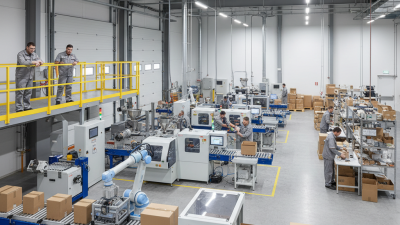
Another notable trend is the rise of collaborative robots, or cobots, designed to work alongside human operators. These robots are equipped with advanced safety features, making them ideal for environments where human interaction is essential. This collaboration not only enhances productivity but also allows human workers to focus on more complex tasks that require creativity and problem-solving.
Tips: To maximize the benefits of cobots, provide training for your staff on how to work safely and effectively alongside these machines. This will foster a more harmonious workflow and improve overall job satisfaction for your team.
Sustainability and Eco-friendly Materials in Packaging Automation
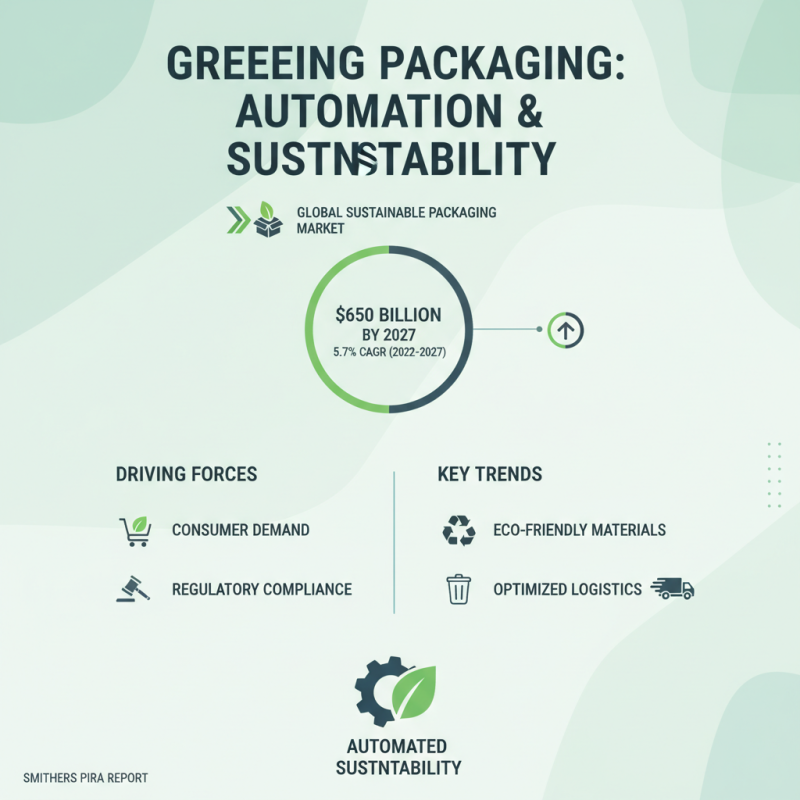
The trend towards sustainability in packaging automation is quickly gaining momentum as businesses seek to reduce their environmental impact. According to a recent report by Smithers Pira, the global sustainable packaging market is expected to reach around $650 billion by 2027, reflecting a compound annual growth rate (CAGR) of 5.7% from 2022. This shift is largely driven by consumer demand for eco-friendly materials and the need for companies to comply with increasingly stringent regulations.
In 2023, packaging automation is heavily influenced by the integration of biodegradable and recyclable materials. As companies innovate their production processes, they are increasingly adopting materials such as bioplastics and recycled paper to produce packaging that not only meets their operational needs but also supports sustainability goals. A study from the Open Packaging Network revealed that 72% of packaging professionals believe that sustainable practices positively impact company reputation and consumer loyalty. Moreover, automation technologies are facilitating the efficient use of these materials, thereby reducing waste and lowering carbon footprints throughout the supply chain.
Advancements in Software for Packaging Line Optimization
Advancements in software for packaging line optimization are revolutionizing the way manufacturers approach efficiency and productivity in their operations. In 2023, businesses are increasingly turning to sophisticated software solutions that enable real-time monitoring and data analysis. These tools assist in identifying bottlenecks within the packaging process, allowing for timely adjustments and ultimately leading to reduced downtime. By leveraging predictive analytics, companies are not only reacting to issues as they arise but also anticipating potential problems before they occur, thus streamlining the entire packaging workflow.
Moreover, the integration of artificial intelligence and machine learning into packaging software systems is enhancing decision-making capabilities. These technologies analyze historical data to forecast demand patterns, optimizing inventory levels and reducing waste. Automated systems equipped with these advanced algorithms can adjust packaging strategies dynamically based on real-time metrics, ensuring that operations remain agile and cost-effective. As packaging automation develops, the reliance on advanced software solutions is becoming crucial for staying competitive in a rapidly evolving market.
Impact of Industry 4.0 on Packaging Automation Solutions
The advent of Industry 4.0 has markedly transformed the landscape of packaging automation, enabling companies to leverage advanced technologies for enhanced efficiency and productivity. According to a recent report from McKinsey, nearly 70% of organizations that have adopted smart manufacturing see increased productivity, which stems from the integration of Internet of Things (IoT) devices and data analytics into their packaging processes. As real-time data becomes more accessible, businesses can make informed decisions to optimize their operations, reduce downtime, and streamline workflows.
Moreover, the implementation of machine learning and robotics within packaging automation systems has been a game changer. A study by Gartner predicts that by 2025, the deployment of AI-driven solutions will lead to a 40% reduction in operational costs for manufacturing enterprises. This trend is largely driven by increased demand for customized packaging solutions and the need for faster turnaround times in product delivery. As such, packaging automation is evolving from traditional approaches to more adaptive and intelligent systems, paving the way for a more responsive manufacturing environment that meets the ever-changing demands of consumers.