What is Packaging Automation Equipment and How Does It Work?
The growth of packaging automation equipment has transformed the manufacturing landscape significantly. According to a report by Research and Markets, the global packaging automation market is projected to reach $90 billion by 2025, showcasing a compound annual growth rate (CAGR) of 8.7%. This growth emphasizes the increasing importance of efficiency in packaging processes.
Expert John Smith, a leading figure in the packaging automation industry, states, “Automation is no longer an option; it’s a necessity for competitive advantage.” This statement reflects the urgency businesses face due to rising consumer demands for faster delivery and better-quality products.
However, the implementation of packaging automation equipment is not without challenges. Companies often struggle with the initial investment costs and the complexity of integration with existing systems. The need for continued workforce training is another concern. It raises questions about balancing technology and human resources effectively. As the industry evolves, organizations must reflect on these hurdles to leverage automation fully.
What is Packaging Automation Equipment?
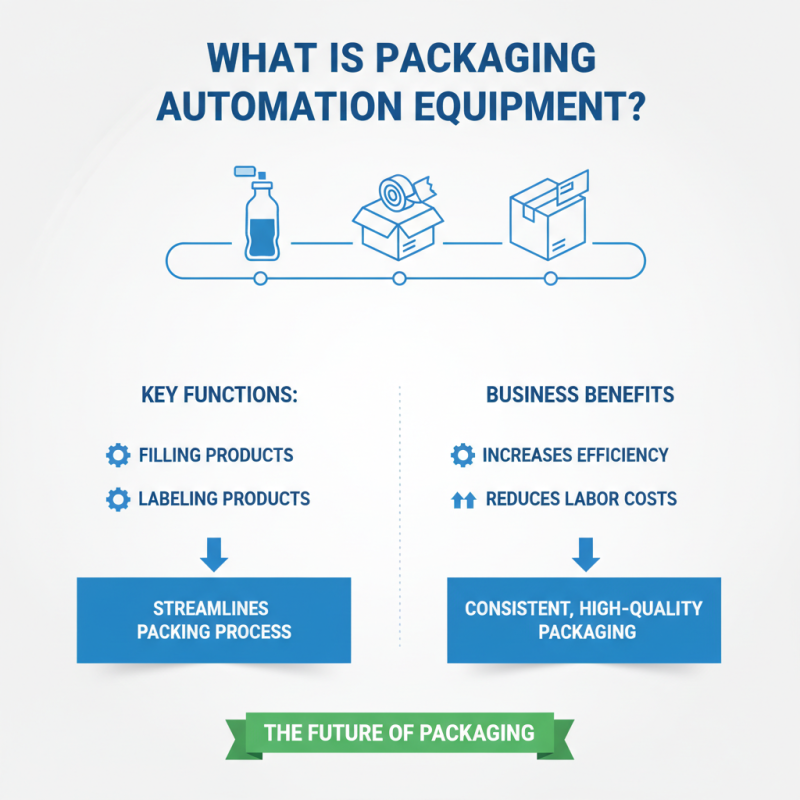
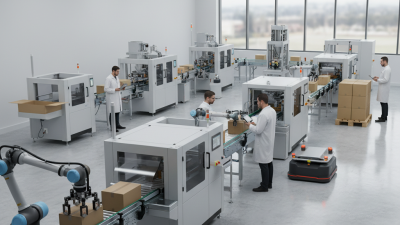
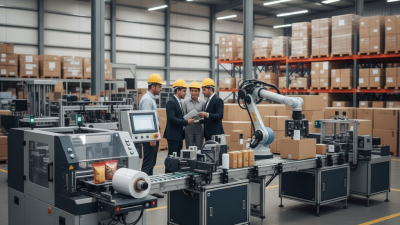
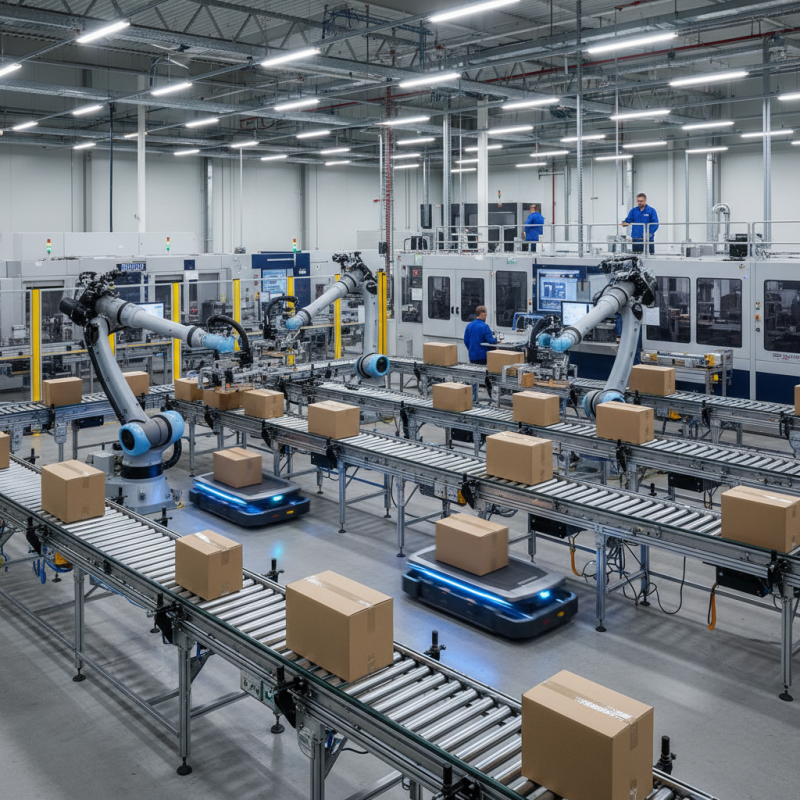
Packaging automation equipment refers to machines and systems that streamline the packing process. These tools can handle various tasks, including filling, sealing, and labeling products. By using such equipment, businesses can increase efficiency and reduce labor costs. The goal is to create a consistent and high-quality packing process.
Many different types of packaging automation equipment exist. Some machines fill containers with liquids, while others package solid products. These automated systems often work together on a production line. This integration can lead to faster production cycles. However, transitioning to automation can have challenges. Companies might face initial resistance from workers or difficulties in setting up the equipment properly.
The effectiveness of packaging automation equipment heavily relies on its design and implementation. Choosing the right features is crucial for specific products. Sometimes, the machines may not perform as expected. Regular maintenance is essential to ensure everything runs smoothly. The potential for failure is always there, and adjustments might be necessary. Overall, understanding the function and intricacies of packaging automation is key to optimizing production.
Types of Packaging Automation Equipment and Their Functions
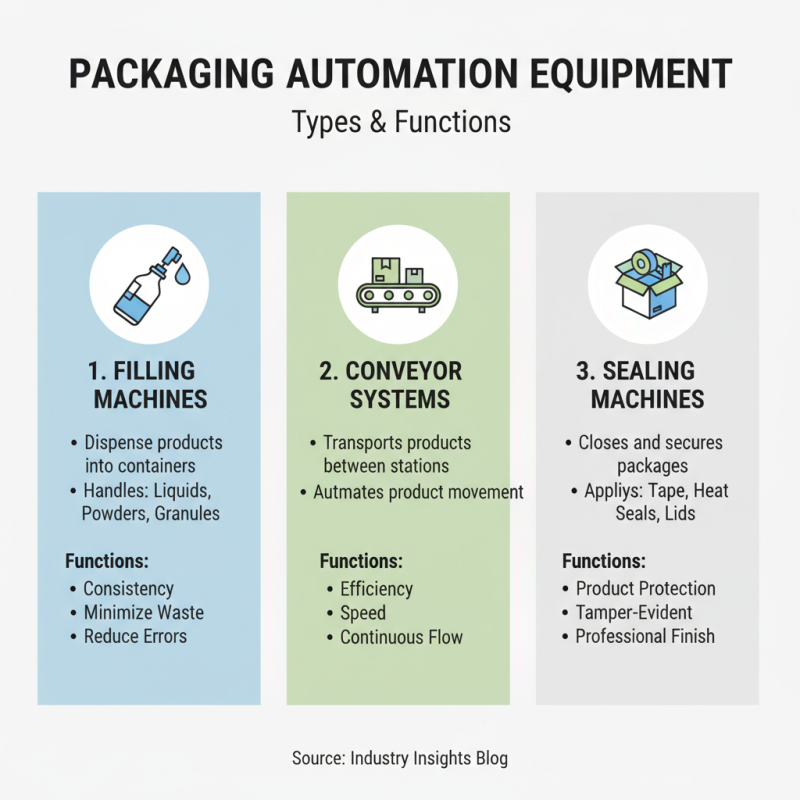
Packaging automation equipment streamlines the packaging process in various industries. There are several types, each serving distinct functions. For instance, filling machines accurately dispense products into containers. They ensure consistency, minimizing waste and errors. These machines can handle liquids, powders, or granules.
Another key type is labeling equipment. It applies labels to packages efficiently. This equipment can adjust to different sizes and shapes, providing flexibility. Some systems even manage barcode printing and scanning, enhancing inventory management. One might wonder if all labelers are equally effective. Variability in performance can sometimes lead to mislabeling or delays.
Wrapping machines are also crucial. They secure products for transport using plastic or paper. This process protects items from damage. However, improperly configured machines can wrap too tightly or loosely. Regular maintenance is essential to avoid such issues. Each type of packaging automation equipment plays a vital role in enhancing workflow. Yet, the complexity of these machines can lead to challenges that require ongoing assessment and adjustments.
How Packaging Automation Equipment Improves Efficiency and Productivity
Packaging automation equipment plays a crucial role in enhancing efficiency and productivity in various industries. These machines take over repetitive tasks like filling, sealing, and labeling products. By automating these processes, businesses save time and reduce errors. For example, a bottling line equipped with automatic fillers can operate much faster than manual methods. This speed not only increases output but also ensures consistent quality.
Implementing packaging automation often drives down labor costs. Companies can allocate human resources to more strategic tasks, rather than mundane manual work. A well-optimized packing line can lead to a significant reduction in waste as well. For instance, poorly sealed packages often result in product returns. Automation minimizes these risks by ensuring precision in every operation. While not without challenges, such as initial setup costs, the long-term benefits generally outweigh these concerns.
Adjusting to new technologies can be daunting for some teams. Employees may need time to adapt to automated systems. Regular training and feedback can remedy these issues. Businesses should remain open to refining their processes. The pursuit of efficiency is ongoing. As technology evolves, so too should the strategies used in packaging automation.
Key Components of Packaging Automation Equipment
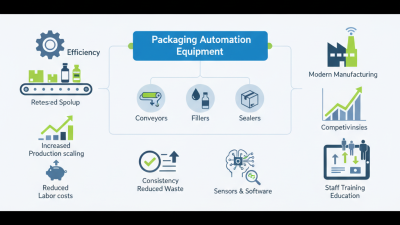
Packaging automation equipment plays a crucial role in modern manufacturing. It streamlines processes, enhances efficiency, and reduces labor costs. Key components include conveyors, sealing machines, and labeling systems. Each part is essential for achieving a smooth workflow.
Conveyors transport products efficiently. They can be configured in various layouts. According to industry studies, automated conveyors can boost productivity by up to 50%. Sealing machines ensure packages are secure and ready for shipment. They vary in technology, from heat sealing to vacuum sealing. The wrong choice can lead to product spoilage.
Labeling systems are also vital. They provide necessary information and enhance branding. Data shows that businesses can improve accuracy by 40% with automated labeling. However, companies sometimes overlook the importance of integration. If not properly coordinated, these systems can become bottlenecks. Each component needs to work harmoniously for optimal performance.
What is Packaging Automation Equipment and How Does It Work? - Key Components of Packaging Automation Equipment
| Component |
Description |
Function |
Benefits |
| Conveyor Systems |
Automated systems that transport products from one point to another. |
Streamlines the movement of products in the packaging process. |
Increases efficiency and reduces manual labor. |
| Filling Machines |
Machines that dispense the product into containers. |
Ensures accurate filling of products into bottles or boxes. |
Minimizes waste and improves packing speed. |
| Labeling Machines |
Devices that apply labels to products or packaging. |
Ensures products are properly labeled for branding and regulatory compliance. |
Reduces labeling errors and speeds up the packaging process. |
| Sealing Machines |
Machines that seal containers to ensure product integrity. |
Prevents contamination and ensures freshness of products. |
Enhances shelf-life and reduces spoilage. |
| Robotic Arms |
Automated arms that handle products during packing. |
Can pick, place, and stack products with high precision. |
Increases speed, reduces labor costs, and improves safety. |
Future Trends in Packaging Automation Technology
The future of packaging automation technology is promising yet complex. Industry reports suggest the market will expand significantly, reaching $70 billion by 2027. This exponential growth stems from the need for efficiency and flexibility in manufacturing processes. However, the adoption of such technology is not without challenges. Many businesses struggle with integration. Current systems often rely on outdated technology, which can hinder improvement.
Artificial intelligence (AI) is poised to play a major role in this transformation. AI can streamline operations by predicting maintenance needs and optimizing workflows. Additionally, the incorporation of IoT devices allows for real-time monitoring. Despite its potential, many operations lack the necessary infrastructure. This gap can lead to frustrations and a slower adoption rate.
Sustainability also influences future trends. As consumer demand for eco-friendly packaging rises, companies are exploring biodegradable materials. This shift requires new machinery that can handle these materials effectively. The investment may be high, but the long-term benefits are clear. Yet, there remains a reality check: not all technologies will prove viable for every operation. Businesses must carefully evaluate their unique needs and capabilities.
Future Trends in Packaging Automation Technology