Why is Offset Printing Inspection Crucial for Quality Assurance?
Offset Printing Inspection plays a vital role in ensuring print quality across various industries. In 2023, a report by Smithers highlighted that the global printing market is expected to reach $480 billion by 2026. This growth emphasizes the need for stringent quality control measures. Proper inspection minimizes errors, maintaining brand integrity and customer satisfaction.
Data from the International Color Consortium indicates that color fidelity is critical in offset printing. Around 30% of print jobs may face color discrepancies without effective inspection. Offset Printing Inspection can significantly reduce these errors, enhancing both visual appeal and print accuracy. Additionally, a study published by the Print Quality Institute found that firms implementing thorough inspection protocols improved client retention by 25%.
Yet, despite these advantages, many companies overlook the importance of Offset Printing Inspection. Some may rely on automated systems, which can miss subtle flaws. Others may prioritize speed over quality, leading to potential rework costs. Addressing these issues requires a commitment to continuous improvement and the integration of advanced inspection technologies. This focus can elevate print quality and reinforce a company’s reputation in a competitive market.
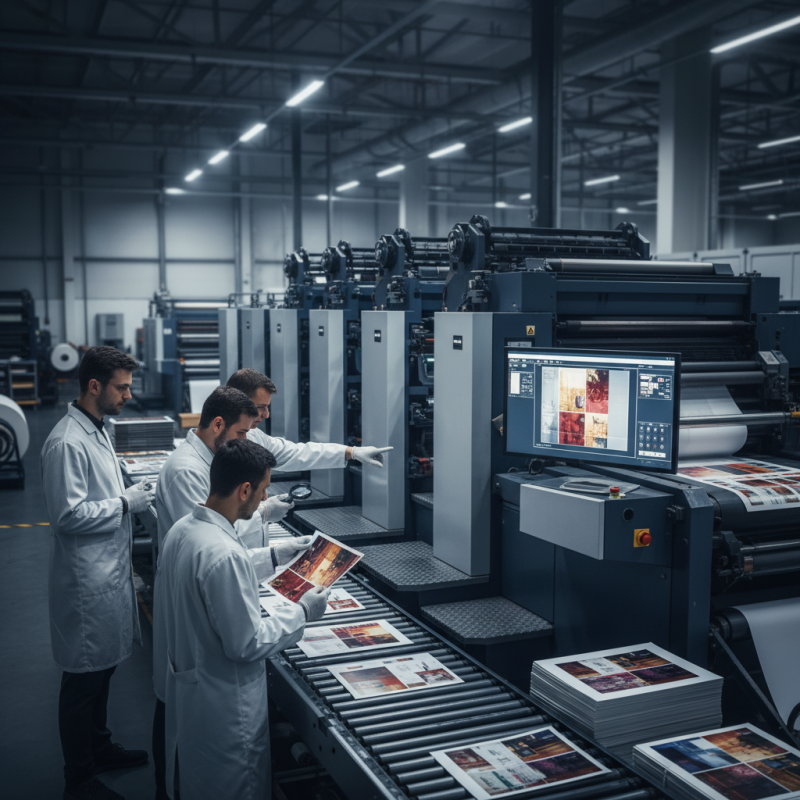
Importance of Offset Printing in Modern Publishing Industry
Offset printing plays a vital role in the modern publishing industry. It enables the mass production of high-quality printed materials. This method is preferred for its ability to deliver consistent color and sharp images. Books, magazines, and brochures often rely on offset printing for their visual appeal. The offset printing technique is efficient for large runs, making it economically viable for publishers.
However, challenges exist within this process. Variations in ink viscosity can impact print quality. Even slight shifts in registration can lead to misalignment and affect the final output. This inconsistency can be frustrating, especially when dealing with tight deadlines. Regular inspections during printing can help mitigate these risks. They ensure that each print aligns with the predefined quality standards.
Publication houses must prioritize quality assurance in offset printing. Attention to detail is critical. Inspections should be performed regularly, focusing on color accuracy and image clarity. A well-monitored printing process not only enhances productivity but also boosts client satisfaction. It is essential to learn from past experiences and address recurring issues. Continuous improvement in inspections will support the integrity of printed materials.
Understanding the Offset Printing Process and Its Challenges
Offset printing is a widely used method in the printing industry, known for its efficiency and quality. However, it faces several challenges. The process involves transferring ink from a plate to a rubber blanket and finally to the printing substrate. Each step must be monitored closely. Even minor errors can lead to significant issues, affecting the final product's quality. A recent industry report indicates that up to 30% of print jobs may suffer from defects without proper inspection techniques in place.
Effective inspection methods are crucial during each phase of offset printing. Quality assurance can be compromised by color inconsistencies or misalignment in the printed material. According to the Printing Industries of America, a dedicated inspection process can reduce errors by 25%. This data underscores the importance of continual monitoring and validation.
Tip: Regular training for staff on inspection techniques can help catch errors early.
In the face of challenges like paper quality variations and ink drying times, the implementation of a systematic approach is essential. Observing trends in defects can guide improvements. Relying solely on automated systems may overlook subtle issues. It's vital to blend technology with hands-on expertise.
Tip: Set up regular quality audits to identify recurring problems in the printing process.
Key Quality Assurance Standards in Offset Printing Inspection
Offset printing is a widely used technique, but quality assurance is vital. Adhering to key quality assurance standards ensures consistency. One standard is color accuracy. The print should match the specified color profile. If there are discrepancies, it can lead to customer dissatisfaction. Regular calibration of printing equipment can prevent this issue.
Another important aspect is checking for defects. This includes examining for smudges, streaks, or inconsistent ink distribution. These flaws can affect the overall presentation of the printed material. Operators should inspect samples frequently to catch issues early. Remember, a small error can lead to large losses.
Tips: Always maintain a clean printing environment to avoid contamination. It’s essential to establish clear communication with your team regarding quality expectations. Regular training sessions can enhance inspection skills among staff. Emphasizing teamwork can lead to improved quality outcomes. Quality inspection is a continuous process that requires diligence and attention.
Techniques for Effective Offset Printing Inspection
Effective offset printing inspection is crucial for maintaining high standards in print quality. This process involves several techniques that ensure every print meets the desired specifications. One key technique is visual inspection. Quality control personnel examine prints for color consistency, alignment, and clarity. They must remain vigilant, as even minor discrepancies can lead to significant issues.
Another important method is measuring ink density. This ensures that the ink is applied evenly. By using a densitometer, operators can monitor ink levels throughout the print run. Keeping a consistent ink density is vital for achieving accurate colors. It's essential to address any fluctuations immediately. Otherwise, it may lead to waste and customer dissatisfaction.
Tips: Always perform spot checks during production. This can save time and resources. Consider training your team on the latest inspection technologies. A knowledgeable team can identify problems more quickly. Regular assessments of your inspection process will also reveal areas for improvement. Continuous evaluation fosters a culture of quality, which is crucial in offset printing.
Offset Printing Inspection Metrics
The Role of Technology in Enhancing Printing Inspection Accuracy
In the world of offset printing, accuracy is paramount. Technology plays a critical role in enhancing inspection processes. Automated systems can detect color discrepancies, paper defects, and alignment issues. These tools provide immediate feedback, enabling quick adjustments. However, relying solely on technology may have drawbacks. Human oversight is still essential to interpret results accurately.
AI and imaging technology improve inspection speed and precision. These advancements can analyze vast amounts of data within seconds. Nevertheless, challenges exist, such as the limitations of software algorithms. Technology might miss subtle defects that a trained eye could catch. Balancing automated systems with experienced personnel is vital for achieving optimal results.
The integration of these technologies transforms traditional inspection practices. Real-time monitoring through digital platforms helps in maintaining quality. Still, companies must regularly update systems to keep up with evolving standards. Continuous training of staff is equally important to ensure reliability. Embracing both technology and skilled human resources is the key to excellence in offset printing inspection.
