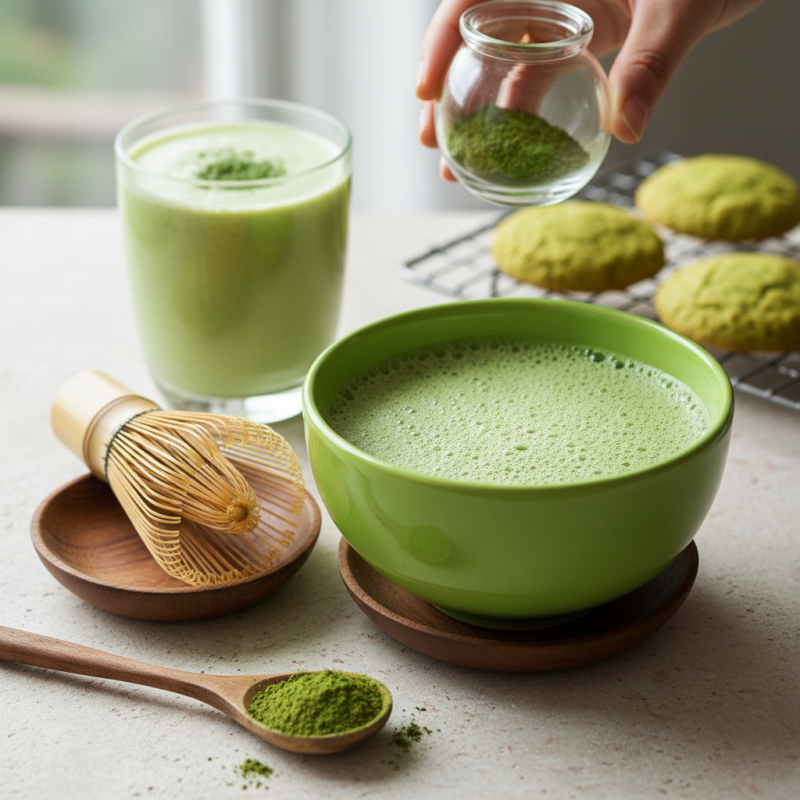
Matcha Powder Benefits and Tips for Daily Use?
Matcha Powder has gained popularity for its numerous health benefits. This vibrant green powder, made from finely ground green tea leaves, is loaded with antioxidants. People are increasingly seeking natural ways to boost their wellness.
Incorporating matcha powder into your daily routine can be simple and enjoyable. You can add it to smoothies or use it in baking. However, not everyone may appreciate its distinct flavor. Finding the right balance in recipes can be a challenge.
Some might even find the preparation process a bit daunting at first. But with practice, it becomes easier and more rewarding. Experimenting with doses may lead to discovering ideal personal preferences. Matcha powder can be a delightful addition to a healthy lifestyle if used creatively.
Health Benefits of Matcha Powder for Daily Consumption
Matcha powder has gained popularity for its numerous health benefits. This vibrant green powder is rich in antioxidants, vitamins, and minerals. Regular consumption can enhance energy levels and improve focus. Some studies suggest it may even support metabolism and weight management. The calming yet alert state it provides is perfect for busy days.
Incorporating matcha into your daily routine can be simple. A warm cup of matcha tea can be an excellent morning ritual. You can also add it to smoothies or yogurt for an antioxidant boost. Just one teaspoon can make a difference. However, avoid overconsumption. Too much caffeine can lead to jitters, which may counteract its benefits.
To enjoy matcha fully, try experimenting with recipes. Matcha lattes or even baked goods can provide variety. Remember, balance is key. Some may find the flavor intense, so adjusting the amount can help. It’s not just about drinking it; it’s about finding your favorite way to enjoy this superfood. Small changes can lead to lasting benefits.
Health Benefits of Matcha Powder for Daily Consumption
Best Practices for Incorporating Matcha into Your Diet
Incorporating matcha into your daily diet can boost your energy and enhance your well-being. One effective method is to start your morning with matcha instead of coffee. A study published in the Journal of Food Science noted that matcha contains about 70 mg of caffeine per cup, offering a calm energy boost without the jitters. Mix one teaspoon of matcha powder with hot water for a quick drink.
For a nutritious snack, try adding matcha to smoothies or yogurt. The International Journal of Health Sciences reports that matcha is rich in antioxidants, particularly catechins. These compounds can help reduce inflammation and support heart health. Blend a banana, spinach, and a teaspoon of matcha for a vibrant green smoothie.
Another way to use matcha is in baking. Mix it into cookie or cake batter for a unique flavor and color. However, be mindful of the amount, as too much can overpower your dish. Reflect on your personal taste preferences when experimenting. Whether you choose to sip, blend, or bake with matcha, keep it simple and enjoy the journey of discovering this versatile superfood.
How to Choose High-Quality Matcha Powder
When choosing high-quality matcha powder, appearance is key. Authentic matcha has a vibrant green color. This color comes from the leaves being shaded before harvest. Observing the powder’s texture is important too. It should be fine like talcum powder. A rough texture can indicate poor quality.
Additionally, consider the origin of the matcha. Many experts suggest Japanese matcha, particularly from Uji or Nishio regions. A study noted that Japanese matcha contains higher antioxidant levels compared to matcha from other areas. This difference can significantly influence its health benefits.
The aroma also reveals much. Fresh matcha should have a rich, grassy scent. A lack of fragrance might suggest stale powder. Packaging matters too. Airtight, opaque containers help preserve freshness. Quality matcha may cost more, but it often provides better taste and health benefits. Cheaper options may lack potency or flavor, leading to dissatisfaction. Remember, matcha quality impacts your overall experience and health benefits.
Creative Recipes Featuring Matcha Powder
Matcha powder is not only vibrant and flavorful but also versatile in various recipes. You can use matcha in smoothies, baked goods, and even savory dishes. Nutrient-dense and packed with antioxidants, matcha can offer health benefits. According to the Journal of Chromatography, matcha contains 137 times more catechins than regular green tea. These compounds may enhance metabolism and improve overall health.
Incorporating matcha into your daily diet can be fun and creative. Try a matcha latte, blending matcha with almond milk for a creamy treat. Experiment with matcha energy balls by combining oats, honey, and matcha powder. Adding matcha to pancake batter gives a colorful twist to breakfast. Some even make savory matcha pasta, injecting unique flavor and color.
While matcha offers numerous benefits, moderation is key. Too much caffeine can lead to jitters. It's important to listen to your body. Not all matcha has the same quality. Some may have lower antioxidant levels. You may need to explore different sources for the best matcha experience. Keep an eye out for vibrant green powder for high quality.
Potential Side Effects and Considerations of Matcha Use
Matcha, a finely ground green tea powder, offers numerous health benefits. However, potential side effects deserve attention. Some users experience stomach discomfort after consuming matcha. This is often due to its high caffeine content. For those sensitive to caffeine, matcha can lead to anxiety or restlessness.
Additionally, excess consumption may lead to insomnia or headaches. People with certain medical conditions should consult healthcare providers before incorporating matcha. It’s important to know your limits. Moderation is key. Enjoying matcha in small amounts can be a rewarding experience.
Another consideration is the quality of matcha. Not all matcha is created equal. Low-quality matcha may contain contaminants. Always seek high-quality, organic matcha. This ensures a safe and beneficial addition to your diet. Taking these factors into account helps you enjoy matcha’s advantages while avoiding unwanted side effects.
Matcha Powder Benefits and Tips for Daily Use - Potential Side Effects and Considerations of Matcha Use
| Benefit / Consideration | Description |
| Rich in Antioxidants | Matcha contains high levels of catechins, a type of antioxidant that can help fight free radicals. |
| Enhances Focus and Calmness | The amino acid L-theanine in matcha can promote relaxation and aid concentration. |
| Boosts Metabolism | Regular consumption of matcha may help increase metabolism and promote weight loss. |
| Potential Side Effects | High caffeine content in matcha may lead to jitters or insomnia in sensitive individuals. |
| Considerations for Daily Use | It's best to limit consumption to 1-2 servings per day to avoid excessive caffeine intake and potential stomach upset. |