Why Investing in Food Packaging Equipment is Essential for Your Business Success
Investing in food packaging equipment is critical for businesses aiming to enhance product quality, improve operational efficiency, and ensure regulatory compliance. According to a recent report by Grand View Research, the global food packaging equipment market size was valued at USD 21.45 billion in 2022 and is projected to expand at a compound annual growth rate (CAGR) of 6.1% from 2023 to 2030. This steady growth underscores the importance of innovative packaging solutions that meet evolving consumer demands and industry standards.
As pointed out by industry expert Dr. Emily Chen, a leading figure in food technology, “The right food packaging equipment not only prolongs shelf life but also enhances the brand's image through sustainable practices.” This statement highlights a trending focus on sustainability within the industry, where businesses are seeking equipment that minimizes waste while maximizing efficiency. Effective food packaging solutions can also drive sales by attracting consumers who increasingly prioritize quality and environmental responsibility in their purchasing decisions.
Ultimately, the integration of advanced food packaging equipment into production processes enables food manufacturers to remain competitive in a crowded market. By embracing the latest technologies, businesses are better positioned to adapt to changing consumer preferences and regulatory requirements, ensuring long-term success and sustainability in their operations.
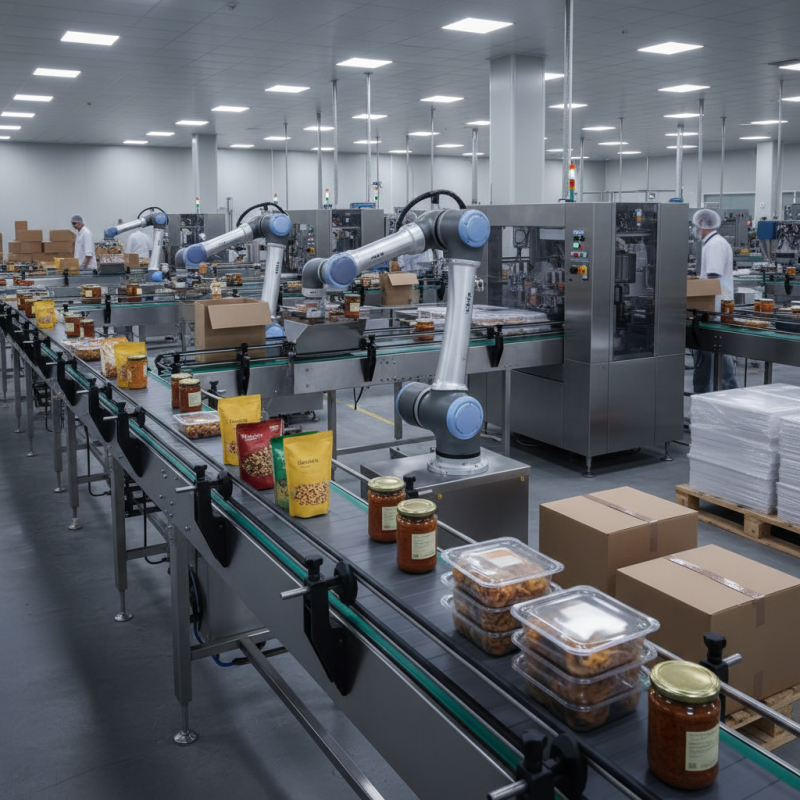
The Growing Demand for Efficient Food Packaging Solutions in the Market
The growing demand for efficient food packaging solutions has become a defining trend in the food industry. According to a report by Grand View Research, the global food packaging market size is expected to reach $645.41 billion by 2027, growing at a CAGR of 3.4% from 2020 to 2027. This surge is driven by factors such as the rising consumer preference for convenience, increased focus on sustainability, and the need for efficient supply chain management. As businesses adapt to these market dynamics, investing in advanced food packaging equipment has become essential to meet customer expectations and enhance operational efficiency.
To capitalize on this burgeoning market, businesses must prioritize machinery that provides not only reliability but also versatility in packaging options. Automated systems can significantly reduce labor costs while minimizing errors in packaging, leading to enhanced productivity. A report by Mordor Intelligence indicates that the automated packaging machinery market alone is projected to grow at a CAGR of over 10% in the coming years. Companies that embrace these technologies stand to gain a competitive edge while ensuring rapid turnaround times and maintaining product quality.
Tip 1: When selecting food packaging equipment, consider machines that can adapt to various packaging sizes and materials to keep up with changing consumer preferences.
Tip 2: Focus on sustainability by investing in eco-friendly packaging solutions that not only appeal to environmentally-conscious consumers but also comply with evolving regulations.
Tip 3: Evaluate suppliers based on their service and support capabilities to ensure that your operations remain uninterrupted and efficient.
Why Investing in Food Packaging Equipment is Essential for Your Business Success
The following chart illustrates the estimated market growth in demand for food packaging equipment over the next five years. This data emphasizes the increasing need for efficient food packaging solutions.
Key Benefits of Upgrading Food Packaging Equipment for Businesses
Investing in advanced food packaging equipment is crucial for businesses aiming to enhance their productivity and maintain competitive advantage. According to a report by the Freedonia Group, the demand for packaging machinery in the food sector is projected to grow by 3.4% annually, highlighting the industry’s recognition of the importance of modern packaging solutions.
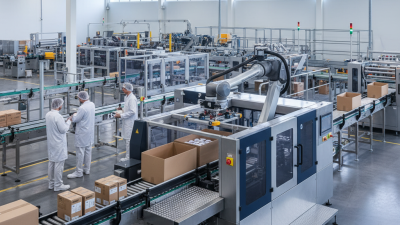
Upgrading equipment not only improves operational efficiency but also reduces waste and minimizes labor costs. Automated packaging systems can handle high volumes with precision, significantly increasing throughput, which is vital in a fast-paced market.
Moreover, enhanced food packaging technology plays a key role in extending shelf life and ensuring food safety. Research from the Global Food Safety Initiative indicates that better packaging can reduce food spoilage by up to 30%. This not only benefits the consumer by providing fresher products but also translates to higher profits for businesses by minimizing losses due to expired goods. Furthermore, with the rising consumer demand for sustainable practices, modern packaging equipment often incorporates eco-friendly materials, aligning with the increasing expectation for sustainable sourcing.
Therefore, investing in state-of-the-art packaging equipment is not just an operational upgrade, but a strategic move that supports growth and profitability in the competitive food industry.
Impact of Innovative Food Packaging on Market Competitiveness
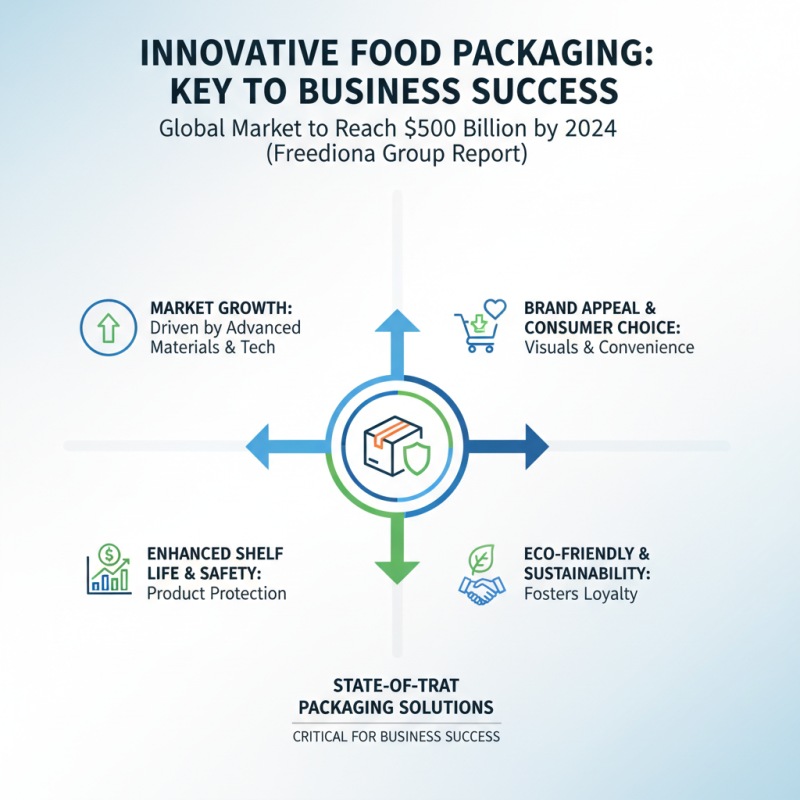
In today's competitive market, innovative food packaging is a critical factor in determining business success. According to a recent report by the Freedonia Group, the global food packaging market is projected to reach $500 billion by 2024, driven by advancements in materials and technology that enhance shelf life and safety. Companies that invest in state-of-the-art packaging solutions not only protect their products but also improve their brand's appeal. Enhanced visuals, eco-friendly materials, and convenience can significantly influence consumer choices and foster loyalty.
Tips: When choosing packaging equipment, consider investing in machinery that supports sustainable practices. Not only does this align with growing consumer demand for environmentally friendly products, but it can also reduce your operational costs in the long run. Additionally, employing smart packaging technologies can help you gather consumer insights and tailor your offerings to meet market trends.
Consumers are becoming more aware of the impact of packaging on the environment, pushing brands to rethink their strategies. A report by Mintel reveals that 67% of U.S. consumers are willing to pay more for products packaged sustainably. Businesses that adapt to these trends not only improve their market competitiveness but also position themselves as responsible players in the food industry, making strategic investments in innovative packaging essential for long-term success.
Analyzing Return on Investment (ROI) for Food Packaging Equipment
When considering the financial viability of investing in food packaging equipment, analyzing the return on investment (ROI) is crucial. A well-designed system not only streamlines operations but also reduces labor costs and material waste, directly impacting the bottom line. Improved efficiency in packaging processes can lead to faster production times, enabling businesses to meet consumer demand more effectively. Higher output generally translates to increased revenue, making the math simple — the more efficiently a company operates, the more profit it can generate.
Moreover, investing in high-quality food packaging equipment can enhance product shelf life and reduce spoilage, further contributing to financial gains. Enhanced packaging solutions maintain food quality and safety, reassuring consumers and fostering brand loyalty. By calculating the ROI on these specific aspects, businesses can better appreciate how initial expenditures transform into significant long-term savings and revenue increases. Ultimately, the decision to invest in food packaging equipment is not just a matter of operational effectiveness but also a strategic financial move that promises substantial benefits over time.
Sustainability Trends in Food Packaging and Their Business Implications
Sustainability in food packaging is rapidly gaining traction, not just as a trend but as a necessity for businesses aiming for long-term success. According to a report by Grand View Research, the global green packaging market is expected to reach USD 450 billion by 2027, growing at a compound annual growth rate (CAGR) of 5.7%. This surge is driven by increasing consumer awareness and demand for eco-friendly products. As businesses pivot towards sustainable packaging solutions, they not only comply with regulatory pressures but also tap into a growing consumer segment that values corporate responsibility.
To align with these sustainability trends, companies must invest in high-efficiency food packaging equipment. Research from Allied Market Research indicates that innovations in packaging technology, such as biodegradable materials and advanced recycling mechanisms, can significantly reduce waste and energy consumption. Investing in state-of-the-art equipment also aids in enhancing product shelf-life, which is increasingly essential in today’s competitive marketplace.
**Tips**:
1. Consider incorporating biodegradable and compostable materials into your packaging to appeal to environmentally conscious consumers.
2. Stay informed about new technologies in packaging equipment that enhance sustainability without compromising efficiency.
3. Engage with your supply chain to ensure that sustainability efforts are holistic, covering everything from materials sourcing to end-of-life product disposal.