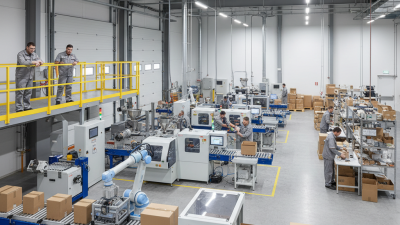
Why Industrial Packaging is Essential for Business Efficiency and Sustainability
In today's rapidly evolving marketplace, the significance of industrial packaging has become increasingly pronounced as businesses strive for efficiency and sustainability. According to a recent report by Smithers Pira, the global market for industrial packaging is expected to reach $287 billion by 2025, driven by the need for protective and functional packaging solutions that cater to diverse industrial applications. As companies look to streamline their operations while minimizing their environmental footprint, the role of industrial packaging emerges as a pivotal factor in achieving these objectives.
Expert insights into this dynamic field highlight its critical impact on operational performance. Dr. Emily K. Wright, a leading authority in industrial packaging and sustainability, emphasizes, "Effective industrial packaging not only safeguards products during transportation but also plays a crucial role in reducing waste and enhancing supply chain efficiency." With research showing that optimized packaging can lead to a 20% reduction in logistics costs, it is evident that the integration of innovative industrial packaging solutions is vital for businesses seeking to improve both their economic and environmental outcomes.
As industries navigate the complexities of modern supply chains and growing sustainability mandates, the adoption of advanced industrial packaging strategies is no longer a choice but a necessity. By prioritizing efficient and eco-friendly packaging methods, companies can unlock new levels of operational excellence while contributing to a more sustainable future.

The Role of Industrial Packaging in Enhancing Business Operations
Industrial packaging plays a pivotal role in enhancing business operations by streamlining processes and improving supply chain efficiency. Effective packaging solutions are designed to protect products during transportation and storage, reducing the risk of damage and loss. This not only minimizes costs associated with replacement and returns but also fosters customer satisfaction, as products arrive in optimal condition. Furthermore, well-designed industrial packaging can facilitate easier handling and transportation, which significantly shortens loading and unloading times. This efficiency allows businesses to allocate resources more effectively, leading to improved productivity.
In addition to operational advantages, industrial packaging contributes to sustainability efforts within businesses. By utilizing sustainable materials and designs, companies can reduce their environmental footprint while still meeting operational requirements. Implementing strategies like reusable and recyclable packaging promotes a circular economy, minimizing waste in the process. Moreover, businesses that prioritize eco-friendly packaging often enhance their brand image, attracting environmentally conscious consumers. Therefore, incorporating industrial packaging that supports business efficiencies not only aids in day-to-day operations but also aligns with broader sustainability goals.
Key Benefits of Sustainable Packaging Solutions
Sustainable packaging solutions have become increasingly vital for businesses aiming to enhance their operational efficiency and reduce environmental impact. According to a report by Smithers Pira, the global market for sustainable packaging is projected to reach $500 billion by 2026, driven by a growing consumer preference for eco-friendly materials and practices. This shift not only supports eco-conscious branding but also drives businesses toward innovation in materials and processes that contribute to a circular economy.
One of the key benefits of adopting sustainable packaging is significant cost savings associated with reduced material use and enhanced supply chain efficiency. A study from the World Economic Forum highlights that companies implementing sustainable practices can reduce packaging costs by 30% by optimizing designs and embracing reusable materials. Moreover, sustainable packaging can improve corporate reputation, leading to increased customer loyalty, as consumers are more likely to choose brands that prioritize environmental responsibility.
**Tip:** Consider integrating biodegradable or recycled materials into your packaging solutions to meet consumer demand and lower your carbon footprint. Regularly evaluate your supply chain processes to identify areas for reducing waste, such as optimizing package sizes to minimize excess material usage.
Additionally, sustainable packaging can play a crucial role in compliance with increasing environmental regulations. With more governments implementing stringent policies on plastic usage and waste management, businesses that proactively adopt sustainable practices are better positioned to mitigate regulatory risks and capitalise on potential incentives.
**Tip:** Stay informed about local and international regulations regarding packaging and sustainability to ensure your business remains compliant and takes advantage of sustainability grants or tax benefits that may be available.
Why Industrial Packaging is Essential for Business Efficiency and Sustainability - Key Benefits of Sustainable Packaging Solutions
| Benefit |
Description |
Impact on Business |
Sustainability Aspect |
| Cost Efficiency |
Reduced material usage and improved shipping methods. |
Lower operational costs and higher profit margins. |
Minimizes waste generation. |
| Brand Image |
Eco-friendly packaging attracts environmentally conscious consumers. |
Enhanced customer loyalty and market competitiveness. |
Supports ethical consumption. |
| Product Protection |
Durable and sustainable materials ensure safe transport. |
Reduced product loss and returns, increasing sales efficiency. |
Encourages use of recycled materials. |
| Regulatory Compliance |
Adherence to environmental regulations and standards. |
Avoids fines and enhances product marketability. |
Promotes responsible packaging practices. |
| Supply Chain Optimization |
Streamlined processes through efficient packaging design. |
Increases logistics efficiency and reduces lead times. |
Lower carbon footprint in transportation. |
Innovative Materials and Technologies in Industrial Packaging
Innovative materials and technologies in industrial packaging are significantly transforming the landscape of business efficiency and environmental sustainability. Advances such as biodegradable plastics, lightweight composites, and optimized designs have redefined how products are packaged and shipped. These materials not only reduce waste but also minimize the carbon footprint associated with transportation. For example, using lighter packaging means reduced fuel consumption during transportation, leading to lower greenhouse gas emissions. Moreover, innovative packaging solutions can enhance product protection, reducing damage during transit and minimizing losses, which is crucial for maintaining operational efficiency.
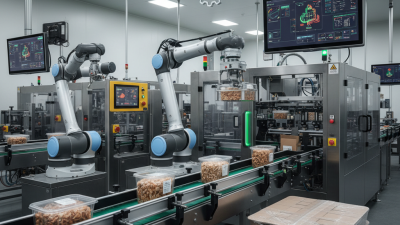
In addition to materials, the integration of smart technologies such as IoT sensors and automated packaging systems is revolutionizing the industry. IoT-enabled packaging allows for real-time monitoring of goods throughout the supply chain, providing insights into temperature, humidity, and other critical factors that can affect product quality. Automated systems streamline the packaging process, reducing labor costs and increasing speed without compromising quality. These technologies not only enhance operational efficiency but also support sustainability efforts by optimizing resource use and reducing packaging waste. As industrial packaging continues to evolve, businesses that adopt these innovative approaches will likely see significant improvements in both their economic performance and environmental impact.
Challenges Facing Businesses in Transitioning to Sustainable Packaging
Transitioning to sustainable packaging presents significant challenges for businesses aiming to enhance both efficiency and environmental responsibility. One of the primary hurdles is the cost associated with adopting eco-friendly materials. Many companies struggle to balance their budgets while investing in sustainable options, which can sometimes be more expensive than traditional packaging. This financial strain can deter businesses from making the switch, leading to continued reliance on less sustainable practices that ultimately harm the environment.
Another challenge is the complexity of supply chains. Businesses often have established relationships with suppliers who may not offer sustainable alternatives or may lack the capability to provide them. This can create a bottleneck in the transition process, forcing companies to reassess their supply chain strategies. As they work to identify and partner with suppliers who align with their sustainability goals, they may face delays in implementation and added logistical difficulties.
**Tips**: To help overcome these obstacles, businesses can start by conducting a thorough assessment of their current packaging methods and exploring available sustainable options that fit within their budget. Forming collaborations with other companies in their industry may provide bulk purchasing opportunities, potentially reducing costs. Additionally, investing in employee training programs on sustainability can encourage a culture of innovation, where teams brainstorm and develop creative solutions for packaging challenges.
Best Practices for Implementing Efficient Packaging Strategies
Implementing efficient packaging strategies is crucial for businesses aiming to enhance their operational efficiency and sustainability. One of the best practices is to adopt a lean approach to packaging, which focuses on minimizing waste and maximizing resource utilization. Businesses should assess their packaging processes to identify areas where they can reduce excess materials, optimize dimensions, and utilize recyclable or biodegradable materials. This not only conserves resources but also lowers costs related to raw materials and disposal.
Another effective strategy involves automating packaging processes to improve speed and consistency. Utilizing advanced technologies such as automated packing machines and smart packaging solutions can significantly enhance accuracy and reduce labor costs. Additionally, investing in employee training to ensure that the workforce is adept at using these technologies will further streamline operations. Regularly reviewing and updating packaging protocols based on feedback and performance metrics will also help companies to continuously refine their strategies, ultimately leading to improved sustainability and efficiency in the long run.
Industrial Packaging Efficiency Metrics