How to Implement Machine Vision Inspection in Manufacturing?
Machine Vision Inspection is transforming the landscape of manufacturing. Recent studies show that over 70% of manufacturers now use this technology to enhance quality control. This method leverages advanced imaging techniques to automatically detect defects in products, minimizing human error.
Efficiency is a key benefit, with manufacturers reporting up to a 30% increase in throughput. Yet, the implementation process is not without challenges. Companies often struggle with integrating these systems into existing workflows. Misalignment between vision systems and production lines can lead to costly disruptions.
Moreover, there is an ongoing need for skilled personnel to operate and maintain these technologies. A report from the McKinsey Global Institute suggests that 1.4 million workers may need retraining by 2030 due to automation. Thus, while Machine Vision Inspection offers significant advantages, it prompts reflection on workforce adaptation and infrastructure investments. The balance between technology and human expertise remains critical.
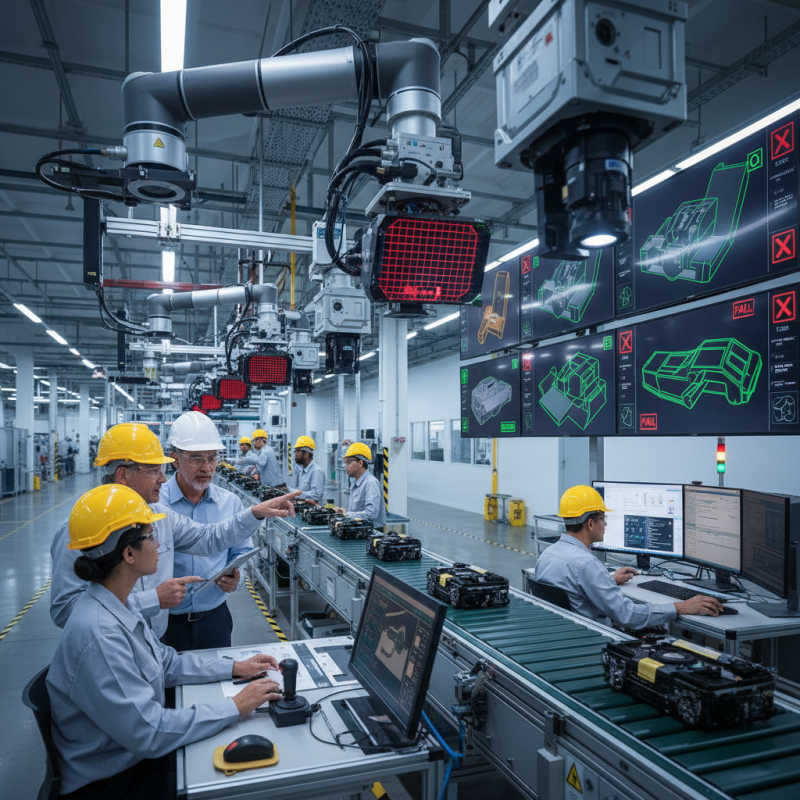
Understanding Machine Vision and Its Role in Modern Manufacturing
Machine vision plays a crucial role in modern manufacturing. It combines camera technology with image processing. This helps in inspecting products at high speeds. Reports suggest that 80% of manufacturers are adopting some form of machine vision. This shift aims to improve quality control and reduce costs.
In practice, machine vision systems identify defects that human eyes might miss. These systems can work 24/7, scanning hundreds of items per minute. According to industry analysis, defects can cost manufacturers up to 10% of their revenue each year. This reality pushes companies to explore automation. However, integrating these systems isn’t always straightforward. Technical challenges may arise, leading to production delays.
Despite the benefits, some manufacturers report dissatisfaction with initial implementations. Issues with calibration and false positives can hinder effectiveness. Continuous improvement is necessary. Regular training and system updates are essential to maintain high standards. The journey of implementing machine vision is ongoing and requires reflection and adaptability.
Key Components of Machine Vision Systems for Industrial Applications
Machine vision systems play a crucial role in manufacturing. They enhance quality control and increase efficiency. Key components of these systems include cameras, lighting, and software algorithms.
Cameras capture high-resolution images of products. Different types of cameras, such as area and line scan cameras, are available. Choosing the right camera can be challenging. Some may struggle with low lighting or fast-moving objects.
Lighting is essential for machine vision. Proper lighting highlights features and defects. However, achieving consistent lighting can be tricky. Shadows and reflections can create confusion. Finally, the software interprets images. It applies algorithms to detect flaws or measure dimensions. However, not all software can handle complex images effectively. Continuous testing and adjustment are necessary for optimal results.
Step-by-Step Guide to Implementing Machine Vision Inspection
Implementing machine vision inspection in manufacturing can enhance product quality and boost efficiency. Start by defining your inspection goals. Clearly outline what you want to achieve. Is it quality control, defect detection, or process optimization? Understanding your objectives will guide your decisions.
Next, consider the environment. The lighting and setup must be optimal for vision systems. Shadows can distort images, leading to mistakes. Test different setups before finalizing. You may encounter issues with varying surface textures. Some surfaces reflect light, which can confuse cameras. This reality requires constant adjustment.
Lastly, work on data integration. Ensure machine vision systems can communicate with existing manufacturing processes. This may involve software adjustments. Keep in mind, not all inspections will be perfect. Expect trial and error as you refine your approach. Regular evaluations of the system’s performance will help identify areas for improvement.
Evaluating Cost Efficiency and ROI of Machine Vision in Production
Implementing machine vision inspection in manufacturing offers a pathway to improved quality control and streamlined processes. Evaluating its cost efficiency and return on investment (ROI) is crucial. A study by the Vision Systems Design indicates that companies using machine vision can reduce inspection costs by up to 50%. This reduction comes from decreased labor costs and increased throughput.
However, initial implementation can be daunting. It is essential to analyze all associated costs, including equipment, software, and maintenance. The average ROI for machine vision systems can be seen as high as 35%. Yet, this figure varies depending on factors like industry and system complexity. Companies need to assess their specific context to predict actual returns accurately.
Tips: Conduct a pilot program. Evaluate the short-term impact before a full rollout. Gather data on error rates and productivity. Adjust your system based on feedback to maximize benefits.
Understanding potential pitfalls is equally important. Not all systems provide immediate benefits. Some organizations report challenges in integration with existing processes. Monitor the transition closely to ensure the system aligns with production goals. Addressing these issues early leads to better long-term outcomes.
Cost Efficiency and ROI of Machine Vision in Manufacturing
Best Practices for Integrating Machine Vision with Existing Processes
Integrating machine vision into manufacturing can enhance efficiency. However, it requires careful planning. Start by assessing your current processes. Identify areas where quality control is critical. This could be during assembly or final inspection. A detailed understanding is key.
Tips: Focus on training staff. Ensure they understand both the technology and its impact on workflows. Employees need to adapt to changes in their roles. Encourage open communication. Regular feedback can highlight areas for improvement.
Implementing machine vision should not disrupt existing systems. Test solutions in a controlled environment first. Monitor results closely. Be prepared for unexpected challenges. Sometimes, initial setups can face issues that require tweaks. Address these problems as they arise to enhance overall performance.
Tips: Document every step of the integration process. This can help in troubleshooting and provide insights for future implementations. Regularly revisit the goals of the machine vision setup. Does it still meet your needs? Adjustments might be necessary as technology evolves.
