
10 Gas Grill Buying Tips for Global Buyers?

Choosing a Gas Grill is not simply a matter of comparing burner counts or polished stainless steel. Global buyers face different climates, fuel systems, cooking habits, and safety requirements. A compact balcony grill may suit a European apartment, while a larger cart model may better serve an Australian family. The right choice begins with evidence, not showroom shine.

The Hearth, Patio & Barbecue Association reported in its 2024 consumer research that about 80% of U.S. households own a grill or smoker. That figure confirms strong demand, but it does not define every market. Regional gas availability matters. Propane, LPG, and natural gas connections may require different regulators, hoses, or professional installation. Buyers should also check applicable standards, such as ANSI Z21.58 in North America or EN 498 in relevant European markets.

Look beyond headline power ratings. Compare burner materials, heat distribution, ignition reliability, grease management, and replacement-part access. A thick cooking grate can retain heat, but it also adds weight and cleaning work. Side burners sound useful, yet many owners rarely use them. That is worth questioning.

No guide predicts every patio.

This article presents ten practical Gas Grill buying tips for international purchasers. It draws on manufacturer specifications, safety guidance, consumer research, and real-world cooking considerations. The goal is not to promote the largest model. It is to help buyers judge total value, operating convenience, service support, and long-term reliability. Some recommendations may feel obvious. Still, overlooked details often become expensive problems after delivery.
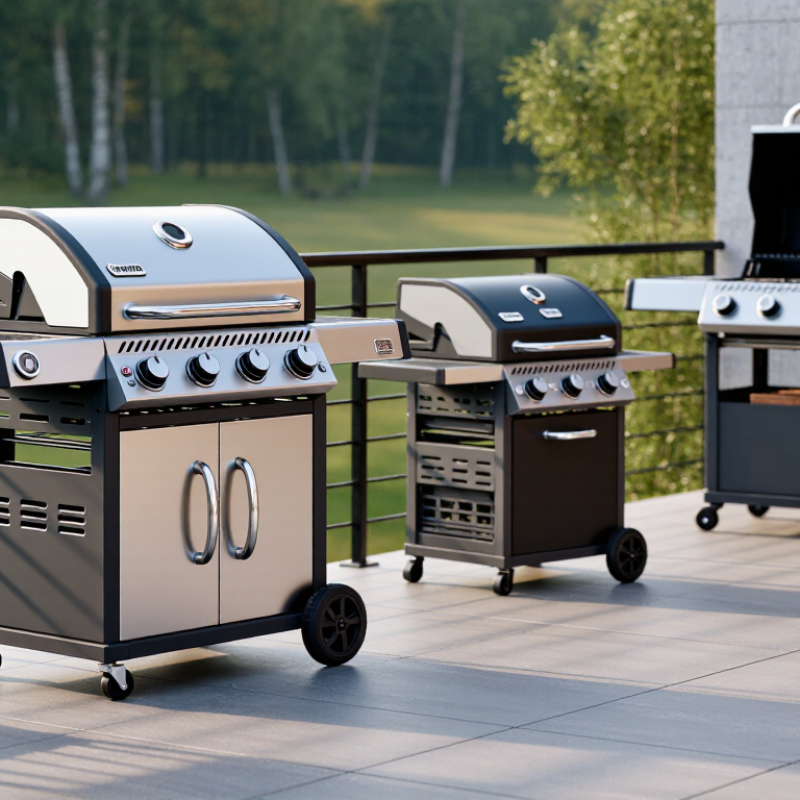
10 Gas Grill Buying Tips for Global Buyers?

Define Your Cooking Needs, Budget, and Expected Grill Capacity

Before comparing burners or finishes, define what you actually cook. The Hearth, Patio & Barbecue Association reported in its 2024 consumer research that 80% of U.S. households own a grill or smoker. However, ownership does not reveal cooking frequency, meal size, or climate. A couple grilling vegetables twice weekly needs different equipment from a family cooking twelve portions every weekend. Measure your patio, count regular diners, and note whether you cook direct, indirect, or both. Small details matter, such as a 30-centimeter pan or several whole fish.

Capacity should describe usable cooking space, not burner count. The U.S. Department of Agriculture recommends separate cooking practices for raw and ready-to-eat foods, so crowded grates can create hygiene and temperature-control problems. Allow space for a cooler zone. A practical target is roughly 300–400 square centimeters per regular diner, then add room for vegetables and resting food. This is not a universal formula. Skewers and flatbreads need different layouts.

Set the budget around the complete installation. Include the grill, regulator, hose, fuel setup, cover, tools, delivery, and local connection requirements. Market data from Grand View Research shows continued growth in outdoor kitchen demand, but premium appearance does not guarantee better daily use. Compare heat control, replacement-part access, warranty terms, and cleaning time. Reserve about 10–15% for overlooked costs. It may feel excessive. Yet many buyers focus on stainless steel and forget ventilation, clearance, or winter storage. Global shoppers should also check local gas standards before purchase, because fitting assumptions can be wrong.

Compare Fuel Types, Heat Control, and Regional Energy Availability

10 Gas Grill Buying Tips for Global Buyers

Fuel choice should follow local energy access, not appearance. Propane works well where portable cylinders are common. Butane may perform poorly in colder conditions. Natural gas suits fixed outdoor kitchens, yet it requires a stable household connection. Check local cylinder sizes, valve standards, refill points, and delivery reliability before purchasing. A cheap grill becomes inconvenient without fuel.

Heat control matters more than maximum power. Look for separate burner controls and a wide, clearly marked adjustment range. Two burners can create direct and indirect cooking zones. A built-in thermometer helps, but verify it with an independent oven thermometer. Small errors matter. Wind protection and insulated lids also reduce temperature swings. In high-altitude regions, lower oxygen can affect burner performance, so consult the technical manual before installation.

Inspect the ignition system in cold or humid conditions. Battery ignition is convenient, but manual backup can prevent frustration. Examine the grates for stable contact and easy cleaning. Grease channels should guide residue away from the flame, not collect it beneath the burners. Replacement burners, seals, and regulators must be available in your region. Do not assume imported parts will fit local connections. I would also test the grill at low heat, not only on full power. Many models look impressive during a showroom demonstration but struggle with delicate cooking. A local technician’s advice may reveal ventilation, pressure, or placement issues that online specifications overlook.

Evaluate Grill Size, Construction Materials, and Weather Resistance

A suitable gas grill begins with the cooking area, not the advertised burner count. For two to four people, about 400–600 square inches usually provides practical space without wasting fuel. Larger families may need 600–900 square inches, especially when cooking vegetables beside meat. NFPA’s Home Grill Fires report estimates 10,200 home fires involving grills each year in the United States, based on 2014–2018 data. Crowded cooking surfaces can encourage grease buildup and unsafe handling. Space matters.

Construction materials deserve close inspection. Stainless steel resists rust, but its grade and thickness vary significantly. Check whether the firebox, burners, fasteners, and cooking grates use matching corrosion-resistant materials. Thin panels may look polished but flex when pressed. That detail is easy to miss. Cast iron grates retain heat well, while coated steel grates are lighter and simpler to replace. Neither material is perfect. Coastal buyers should prioritize sealed joints, drainage openings, and removable grease trays.

Weather resistance should match the installation climate. NOAA’s 1991–2020 Climate Normals show major differences in rainfall, humidity, and temperature across regions, so one universal specification is unrealistic. In wet or salty environments, inspect welds and underside surfaces, not only the lid. A fitted cover helps, but it cannot correct poor drainage. During supplier evaluations, request salt-spray test information referencing ASTM B117, while remembering that laboratory hours do not equal outdoor service life. My checklist still misses things occasionally, especially hidden fastener corrosion. Recheck those areas before purchase.

10 Gas Grill Buying Tips for Global Buyers? — Evaluate Grill Size, Construction Materials, and Weather Resistance

Tip Evaluation Dimension Practical Benchmark What to Check Before Buying Best Fit
1 Choose the Correct Cooking Area A primary cooking area of approximately 300–450 sq in (1,935–2,903 cm²) generally suits 2–4 people. Around 450–650 sq in (2,903–4,194 cm²) is more suitable for 5–8 people. Compare the primary grate area separately from the warming rack. Confirm whether the published dimensions include side shelves, lids, or secondary racks. Compact: balconies and small patios
Medium: regular family cooking
Large: entertaining and batch cooking
2 Match the Burner Layout to Cooking Style One main burner provides limited heat-zone control. Two or more independently controlled burners allow direct and indirect cooking at the same time. Look for separate burner controls, clear burner spacing, and a layout that leaves enough room for a cooler indirect-cooking zone. A side burner is useful for sauces or boiling but is not essential. 1 burner: simple grilling
2 burners: everyday versatility
3+ burners: larger meals and zones
3 Evaluate Body Construction Stainless steel, coated steel, and cast aluminum are common housing materials. Cast aluminum resists rust well, while stainless steel quality depends on its alloy and thickness. Inspect seams, lid alignment, fasteners, welds, and panel stiffness. Avoid exposed bare steel in areas likely to contact moisture. A heavier body is not automatically better, but excessive flex can indicate weak construction. Coastal or humid areas: corrosion-resistant housing
Dry climates: coated steel may be adequate
4 Select Durable Cooking Grates Stainless-steel grates are generally easy to clean and resist chipping. Porcelain-enamelled cast iron retains heat well but can rust if the coating is damaged and moisture remains. Check grate thickness, stability, replaceability, and spacing. Confirm that replacement grates are available in the destination market and that the coating has no visible chips or sharp edges. Low maintenance: stainless steel
Strong searing: cast iron
5 Use Heat Output as a Supporting Metric Many full-size grills advertise roughly 75–100 BTU per sq in of primary cooking area, but this is only a rough comparison and does not measure efficiency or heat distribution. Compare total input in BTU/h or kW with the primary cooking area. Also assess burner placement, lid insulation, preheating performance, and whether the grill produces even temperatures across the grate. Balanced heat matters more than maximum BTU
6 Check Weather and Corrosion Resistance Outdoor exposure can cause rust, fading, blocked burners, and water accumulation. No gas grill is maintenance-free when left outdoors. Look for protected burner ports, sealed or covered ignition components, sloped surfaces for drainage, corrosion-resistant fasteners, and a fitted weather cover. Allow the grill to dry before covering it. Rainy regions: drainage and cover compatibility
Coastal regions: stronger corrosion protection
Cold regions: protected storage
7 Verify Fuel and Gas Compatibility Common fuel options include liquefied petroleum gas (LPG) cylinders and natural gas. They require different regulators, jets, connectors, and installation arrangements. Confirm the appliance gas category, operating pressure, connector type, cylinder valve standard, and local certification requirements. Do not assume that an adapter or conversion kit is approved for every country. Portable use: compatible LPG cylinder
Fixed outdoor kitchen: approved natural-gas connection
8 Prioritize Safety Features Important features include stable construction, a reliable ignition system, accessible shut-off controls, protected gas lines, and adequate clearance from combustible materials. Review local installation rules and the product safety certification accepted in the destination country. Test that controls are clearly marked and that the lid, shelves, and wheels remain stable during use. All buyers: certified installation and stable placement
9 Assess Mobility and Installation Space A grill needs a level, well-ventilated outdoor location. Extra clearance is required around the lid, side shelves, gas cylinder, and heat-producing surfaces. Measure doorways, balconies, storage areas, and the cooking position. Check wheel quality, locking casters, shelf folding, total assembled weight, and whether the gas cylinder fits securely. Urban homes: foldable shelves and compact footprint
Permanent patios: heavier, lockable base
10 Compare Cleaning and Long-Term Serviceability Grease management, burner access, removable trays, and replacement-part availability strongly affect ownership cost and service life. Confirm that grease trays and burners can be removed without specialized tools. Check the availability of grates, igniters, regulators, burner tubes, and seals in the destination market. Frequent users: accessible parts and simple cleaning
International buyers: local after-sales support
Buying note: Product dimensions, gas pressure, connector standards, safety certifications, and installation clearances vary by country. Always verify the local requirements and the grill’s technical data before purchase or installation.

Check Safety Features, Certifications, Warranty, and Local Compliance

10 Gas Grill Buying Tips for Global Buyers?

Safety should be checked before appearance, price, or cooking area. The National Fire Protection Association reported an average of 10,200 home grill fires annually from 2014 to 2018. The U.S. Consumer Product Safety Commission reported about 5,700 gas-grill fires each year during the same period. These figures make flame control, hose quality, and stable construction essential.

Look for flame-failure protection, secure burner fittings, heat-resistant handles, and a lid that closes evenly. Ask for test documents, not only a printed certification mark. Requirements differ by destination. North American models may follow ANSI Z21.58 or CSA 1.6, while European products usually require compliance with Regulation (EU) 2016/426 and applicable EN standards.

Check the gas type, pressure, connector, and local language instructions. A propane grill can be unsafe when connected to a natural-gas supply without proper conversion.

Warranty terms also need close reading. Confirm coverage for burners, regulators, ignition parts, and corrosion. Check who provides service in your country. A five-year warranty sounds strong, but replacement parts may take months. That detail matters. The International Organization for Standardization notes that risk controls depend on intended use and operating conditions in its ISO 12100 safety framework. Ask for the user manual, conformity documents, installation guidance, and spare-parts policy before payment. My own buying mistake was trusting a familiar-looking mark without verifying its issuing body.

Assess Maintenance, Replacement Parts, Shipping, and Long-Term Costs

When I compare gas grills for overseas projects, I inspect the grease tray, burner access, and lid hinges before cooking area. In my experience, these parts reveal future labor costs. A tray that slides out easily makes weekly cleaning safer and faster. Burners should be removable without special tools, but that detail is often overlooked. Small details matter. Check whether stainless surfaces resist salt air, especially for coastal homes or commercial terraces.

Ask the seller for a written replacement-parts list, clear diagrams, and stable part numbers. Confirm whether burners, igniters, regulators, knobs, and seals can reach your country. Shipping a small igniter by air may cost more than expected. A local warehouse helps. Check packaging details carefully. Corner guards, moisture protection, and reinforced cartons matter after a long sea journey. Have a qualified local technician confirm gas compatibility and installation requirements.

Do not judge value by the invoice alone. Add freight, import charges, assembly, cleaning supplies, replacement burners, and possible service visits. I once underestimated spare-parts storage costs. That mistake made a low-priced grill less attractive. Keep records. A simple maintenance log can show whether heat loss comes from blocked ports or worn seals. My estimates are not always right. Usage, salt air, and harsh winters can change failure rates. Choose accessible components and realistic support instead of impressive promises.

10 Gas Grill Buying Tips for Global Buyers

Assess maintenance, replacement parts, shipping, and long-term ownership costs before choosing a gas grill.

Typical planning ranges are shown for moderate residential use. Stainless-steel components, weather exposure, cooking frequency, gas type, and local availability can significantly change replacement timing and total cost. Before ordering internationally, confirm spare-part compatibility, regulator standards, packaging dimensions, import duties, delivery lead time, and warranty coverage.