10 Best Tips for Effective Packaging Design to Enhance Your Brand Appeal
In today's competitive marketplace, effective packaging design plays a pivotal role in capturing consumer attention and enhancing brand appeal. The first impression a product makes is often its packaging, which not only serves the practical purpose of protecting the product but also communicates the brand's identity and values. A well-thought-out packaging design can evoke emotions, tell a story, and create a visual representation of what the brand stands for. With consumers increasingly drawn to unique and striking packaging, businesses must prioritize innovative approaches to stand out from the crowd.
As we delve into the best tips for effective packaging design, it is essential to recognize the seamless integration of functionality, aesthetics, and sustainability. Today's consumers are not only looking for visual appeal, but they also appreciate brands that demonstrate environmental consciousness and social responsibility through their packaging choices. By focusing on these critical elements, brands can develop packaging that resonates with their target audience while enhancing their overall market presence. Throughout this discussion, we will explore actionable insights that can elevate your brand's packaging design, ultimately driving consumer engagement and loyalty.
Understanding the Importance of Packaging Design for Branding
Effective packaging design plays a crucial role in shaping a brand's identity and enhancing its appeal in a competitive market. Research from the Paper and Packaging Board suggests that 72% of consumers say that packaging design influences their purchasing decisions. This statistic emphasizes the power of visual branding elements that packaging embodies, such as colors, typography, and imagery. Well-designed packaging not only communicates the essence of a product but also reflects the values and personality of the brand, fostering emotional connections with consumers.
Moreover, a study published by McKinsey & Company highlights that brands incorporating effective packaging strategies can experience a 30% increase in customer engagement. This can be attributed to the way packaging serves as a touchpoint that engages consumers, providing them with essential information and an appealing aesthetic that resonates with their preferences. In today’s fast-paced retail environment, businesses must prioritize packaging design to stand out on crowded shelves and online marketplaces. By focusing on the intentional integration of design elements, brands can create packaging that not only attracts but also retains customer interest, driving loyalty and long-term success.
10 Best Tips for Effective Packaging Design to Enhance Your Brand Appeal
This chart displays the importance level of various packaging design tips that can enhance brand appeal. Each tip is rated on a scale from 1 to 10, illustrating how crucial they are in effective packaging design.
Key Elements of Effective Packaging Design
Effective packaging design is a crucial aspect of brand appeal that goes beyond mere protection of the product. The first key element to consider is functionality. Packaging must not only safeguard the product within but also be easy to open and handle for consumers. This enhances the user experience and fosters positive associations with the brand. Designers should also think about the materials used in packaging, opting for sustainable options that resonate with environmentally-conscious consumers. This not only reflects a modern brand ethos but also appeals to a broader audience, creating loyalty and trust.
Another critical element is visual appeal, which includes the use of color, typography, and imagery. A well-designed package can attract attention on the shelf, making it stand out in a crowded marketplace. Choosing a color palette that reflects the brand’s personality and values is essential; colors evoke emotions and can significantly influence purchasing decisions. Typography should be legible and align with the brand's voice, while imagery should effectively communicate the product's benefits and entice potential buyers. Overall, integrating these elements into packaging design can enhance brand recognition and foster a lasting connection with consumers.
10 Best Tips for Effective Packaging Design to Enhance Your Brand Appeal
| Tip |
Description |
Key Element |
| 1. Understand Your Audience |
Research your target demographic to design packaging that resonates with them. |
Target Market |
| 2. Functionality |
Ensure the packaging protects the product and is easy to use. |
Usability |
| 3. Visual Appeal |
Create eye-catching designs that stand out on shelves. |
Design Creativity |
| 4. Brand Story |
Convey your brand’s values and story through your packaging. |
Brand Identity |
| 5. Sustainable Materials |
Use eco-friendly materials to appeal to environmentally conscious consumers. |
Sustainability |
| 6. Color Psychology |
Choose colors that evoke the right emotions and attract attention. |
Color Theory |
| 7. Clear Branding |
Ensure your logo and brand name are prominently visible. |
Brand Visibility |
| 8. Texture and Finish |
Incorporate different textures and finishes to create a tactile experience. |
Sensory Appeal |
| 9. Informative Labeling |
Provide essential information clearly to educate consumers. |
Information Clarity |
| 10. Test Your Packaging |
Conduct market tests to get feedback on your packaging design. |
Market Research |
Utilizing Color Psychology in Packaging Choices
The role of color psychology in packaging design cannot be overstated, as it significantly influences consumer perception and purchasing decisions. According to a study by the Institute for Color Research, people make a subconscious judgment about a product within 90 seconds of viewing it, and that judgment is based largely on color alone. This emphasizes the importance of selecting hues that not only resonate with the target audience but also reflect the brand’s identity. For instance, warm colors like red and orange can evoke excitement and urgency, making them effective for products aimed at stimulating quick purchases, while cooler tones such as blue and green are often associated with calmness and trust, appealing to consumers seeking reliability.
Furthermore, research published in the Journal of Consumer Psychology indicates that when the colors of a product's packaging align with the user’s mood and expectations, it can lead to increased brand loyalty. For instance, nearly 85% of consumers place color as a primary reason for purchasing a particular product. In this context, brands should fully leverage color schemes in their packaging to enhance not only aesthetic appeal but also emotional connection. By carefully curating colors that resonate with their audience and correspond with their marketing goals, companies can create a compelling visual identity that drives sales and fosters a loyal customer base.
Incorporating Sustainable Materials in Packaging
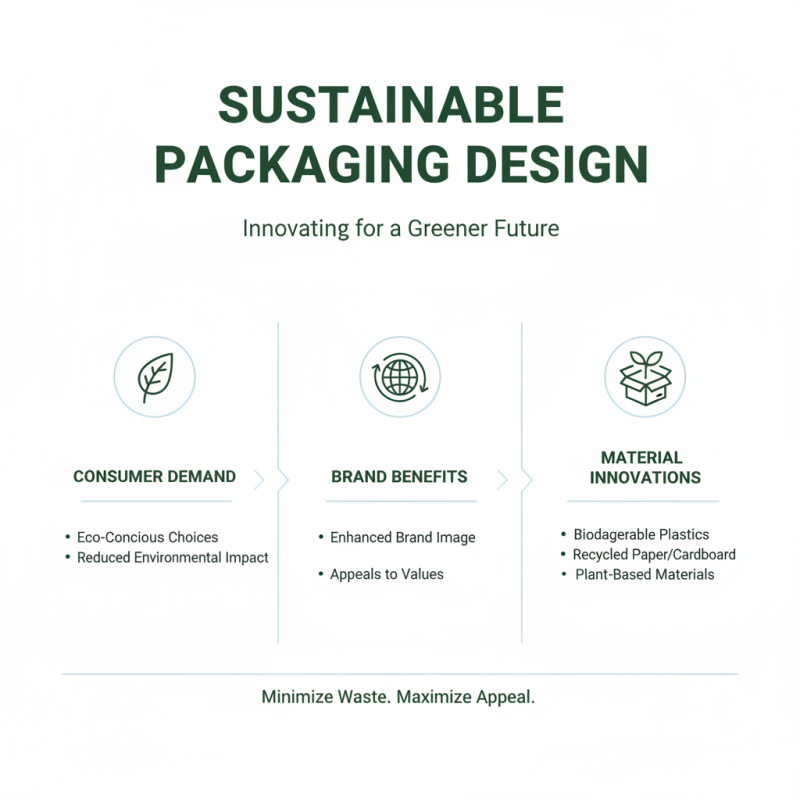
In today's market, the shift toward sustainability is influencing packaging design significantly. Consumers are increasingly seeking products that not only cater to their needs but also minimize environmental impact. By incorporating sustainable materials in packaging, brands can appeal to environmentally conscious consumers while enhancing their overall brand image. Options such as biodegradable plastics, recycled paper, and plant-based materials are becoming essential components of innovative packaging strategies.
Using sustainable materials in packaging design not only addresses consumer preferences but also helps in reducing waste and conserving resources. For instance, biodegradable materials break down more easily in the environment, while recycled materials reduce the demand for virgin resources. Additionally, adopting sustainable practices can resonate with a brand’s values, fostering a deeper connection with customers who prioritize eco-friendliness. By clearly communicating the use of sustainable materials on packaging, brands can effectively highlight their commitment to environmental responsibility, thus fortifying their appeal in a competitive marketplace.
Designing for Practicality and User Experience in Packaging
When it comes to packaging design, prioritizing practicality and user experience is crucial for enhancing brand appeal. Effective packaging not only serves as a protective layer for products but also acts as a silent salesperson, communicating brand values and functionality. It’s essential to design packaging that is user-friendly, making it easy for customers to open, use, and dispose of. This ensures a positive experience that encourages loyalty and repeat purchases.
One key tip is to utilize intuitive design elements. Clear labels and instructions can significantly enhance the user's interaction with the packaging. Consider using features like easy-tear openings or resealable materials that offer convenience, ensuring that the product remains accessible while maintaining freshness. Additionally, optimizing size and shape can contribute to a better user experience, allowing easier handling and storage.
Another important consideration is sustainability, as more consumers are becoming environmentally conscious. Incorporating eco-friendly materials not only speaks to ethical standards but also enhances the brand’s image. Packaging that minimizes waste or can be easily recycled encourages a positive consumer perception and aligns with modern values. Balancing aesthetics with practicality ensures that packaging not only looks great on the shelf but also functions effectively in the hands of the user.