How to Choose the Right Cartoning Machine for Your Needs?
Choosing the right cartoning machine can significantly impact production efficiency. In 2022, the global cartoning machinery market was valued at approximately $1.35 billion, according to a research report by Market Research Future. This sector is expected to grow steadily, driven by increasing demand in the food and beverage industry. Understanding the specifications and capabilities of various machines is essential for making an informed decision.
Industry expert, Dr. John Smith, states, "Selecting a cartoning machine involves assessing production goals and product specifications." His insight underscores the necessity of aligning equipment with individual needs. With numerous models available, factors such as speed, size capabilities, and automation level must be carefully considered.
Yet, many businesses overlook these factors. Some may rush to buy the latest model without understanding their unique requirements. A poorly aligned cartoning machine can lead to inefficiencies, increasing operational costs. Taking the time to evaluate features and consult with experts is crucial in this decision-making process.
Understanding Different Types of Cartoning Machines Available in the Market
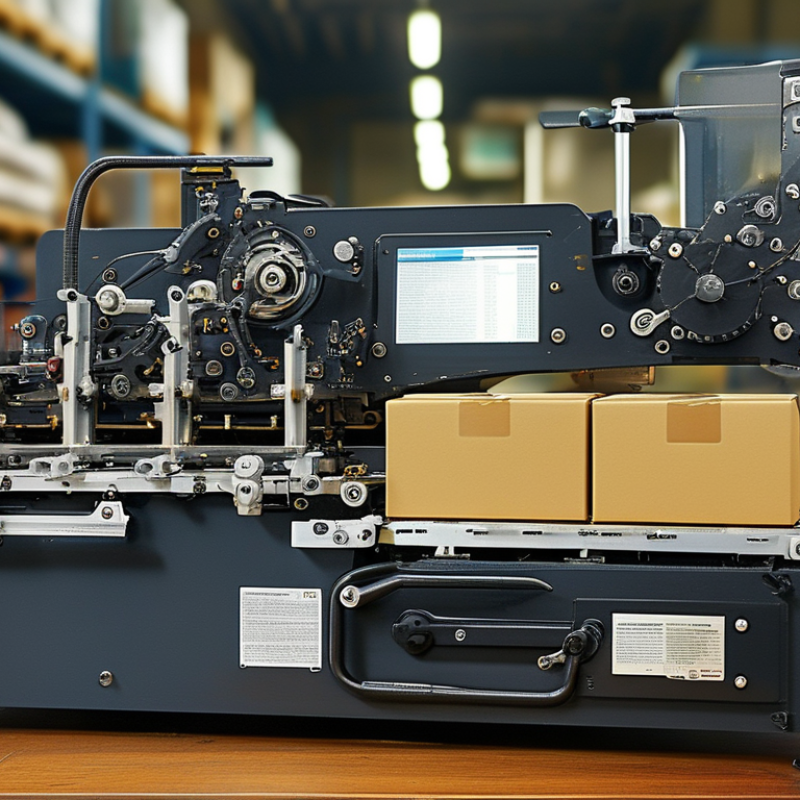
When choosing a cartoning machine, understanding the types available is crucial. There are several categories, including horizontal, vertical, and robotic cartoners. According to recent industry reports, horizontal cartoners dominate the market, accounting for approximately 65% of total sales. They are ideal for high-speed packaging environments and can handle various products, making them versatile.
Vertical cartoners tend to serve specific needs. They require less floor space and are often used for smaller packages. Their design allows for easy integration with existing production lines. Robotic cartoners, while still emerging, promise flexibility and efficiency by adapting to different packaging styles and sizes. The market for robotic solutions is expanding rapidly, expected to reach a growth rate of 12% annually.
Tips: Assess your production speed and packaging type. Make sure to conduct a thorough analysis before deciding. Additionally, consider maintenance costs. Investing in a durable machine can save you money long-term. While technology evolves, sometimes a simpler solution may suit your needs better. Reflect on your specific requirements and seek the right balance between technology and practicality.
Key Factors to Consider When Selecting a Cartoning Machine for Your Business
Choosing the right cartoning machine for your needs requires careful consideration of several key factors. Understand your production volume, as it dictates the machine's speed and capacity. A machine that cannot keep pace with demand may create bottlenecks. Evaluate your budget, but don't overlook the long-term costs. Expensive upfront machines might save money on labor and maintenance in the long run, making them a better investment.
Another essential factor is the versatility of the machine. Can it handle different sizes and types of packaging? Flexibility is crucial in adapting to changing market demands. Additionally, assess the machine's ease of use and maintenance. Operators should feel comfortable running the machinery with minimal training. Complicated machines can lead to production downtime, affecting efficiency.
Lastly, consider the supplier’s reputation. A reliable partner offers support and service when needed. Read reviews and seek recommendations. Machine performance is only as good as the service behind it. Reflect on your specific needs and industry demands to make an informed choice. If you find the process overwhelming, don't hesitate to consult with experts in the field. Their experience can provide valuable insights and save you time.
Evaluating Production Capacity and Speed Requirements for Cartoning Solutions
When evaluating production capacity and speed requirements for cartoning machines, several factors are critical.
The typical cartoning machine can run at speeds ranging from 30 to 300 cartons per minute. Depending on your production volume,
choosing the right speed is vital. A facility producing 20,000 cartons daily needs a machine capable of matching that throughput efficiently.
Many reports indicate that over 70% of companies experience bottlenecks due to misjudging speeds. A mismatch can lead to increased downtimes and reduced efficiency.
Identifying peak production times helps determine if a high-speed machine is necessary. However, this often requires more than just speed.
Compatibility with existing equipment and product types must also be considered.
Tips: Consider your average daily production needs. Calculate how much capacity you realistically require.
Research the machine’s maintenance and operational costs. A faster machine may not always translate to better productivity if the failure rate is high.
Investigate the flexibility of the design, allowing for easy adjustments as your production needs change.
Ultimately, striking the right balance between speed and reliability is essential for optimal efficiency.
The Importance of Adaptability: Customization Features in Cartoning Machines
When selecting a cartoning machine, the adaptability of its customization features is crucial. Companies need machines that cater to diverse packaging requirements. According to industry reports, around 70% of manufacturers now seek flexible machinery. Customization allows for accommodating various product sizes and packaging styles. This need for versatility is growing rapidly in today’s fast-paced market.
In recent studies, nearly 65% of businesses reported inefficiencies due to rigid packaging systems. A cartoning machine should easily adjust to changing demands. It should support quick adjustments to speed and format, allowing manufacturers to stay ahead. The ability to switch between multiple designs can reduce downtime significantly. Additionally, as consumer preferences evolve, machines with robust customization features become essential.
Recent data suggests that investing in adaptable cartoning solutions can increase production efficiency by up to 30%. Flexibility in design and operation can lead to better resource management. However, selecting the right machine also requires reflection on specific needs. Not all features are necessary for every operation. Careful consideration of priorities will ensure a more effective investment.
Choosing the Right Cartoning Machine: Key Features Comparison
Analyzing Operational Costs: Investment vs. Long-Term Benefits in Cartoning Equipment
When selecting a cartoning machine, analyzing operational costs is crucial. Investment in quality equipment may seem high at first. However, evaluating long-term benefits can reveal significant savings. Often, cheaper machines incur high maintenance costs. These arise from frequent breakdowns and replacements. Reliability is essential in production environments. A well-chosen cartoning machine minimizes downtime and maximizes efficiency.
Long-term benefits include reduced labor costs. Automated cartoning solutions streamline the packaging process. This leads to a lower chance of human error. Over time, the savings on labor can offset the initial investment. Additionally, some machines offer energy-efficient operations. This can lead to substantial savings on utility bills.
Consideration of future scalability is also important. As production needs grow, a flexible cartoning machine can adapt. This prevents the need for additional investments soon after purchase. Reflecting on your specific production requirements can help in choosing wisely. An informed decision aligns equipment capabilities with business goals.